What does a Content Specialist do?
A Content Specialist creates and manages written content for various platforms. This role involves developing articles, blog posts, and other materials that engage readers. Content Specialists research topics, write clearly, and ensure information is accurate. They often collaborate with marketing teams to align content with business goals. By creating compelling content, they help attract and retain customers.
Content Specialists also analyze the performance of their content. They track metrics such as page views and engagement rates. This helps them understand what works and what doesn't. They use this data to improve future content. They may also optimize content for search engines to increase visibility. This role requires strong writing skills, attention to detail, and the ability to work in a fast-paced environment. Content Specialists contribute to the success of a company's content strategy.
How to become a Content Specialist?
Becoming a Content Specialist opens doors to a dynamic and rewarding career in the digital world. This path requires a blend of creativity, analytical skills, and a keen understanding of audience needs. To guide someone through this journey, we present a clear outline to help you master the art of content creation and management.
First, developing a strong foundation in writing and communication is essential. Content Specialists must be able to craft compelling and clear content that engages readers. This involves not only writing skills but also an understanding of grammar, style, and tone. Next, gaining knowledge in digital marketing is crucial. This knowledge helps in understanding how content fits into broader marketing strategies and how to measure its effectiveness. Familiarity with SEO (Search Engine Optimization) is also key, as it helps in creating content that ranks well on search engines and reaches a wider audience.
An effective process to become a Content Specialist includes:
- Enhancing writing skills through practice and learning.
- Understanding the basics of digital marketing and SEO.
- Gaining experience with content management systems (CMS) and tools.
- Building a portfolio of diverse content samples.
- Networking with professionals and staying updated on industry trends.
Each step plays a vital role in shaping a successful Content Specialist. By following these steps, professionals can gain the necessary skills and experience to excel in this field.
How long does it take to become a Content Specialist?
Interest in the role of a Content Specialist continues to grow, driven by the increasing importance of quality content in marketing and communication strategies. The path to becoming a Content Specialist can vary based on several factors, including formal education, prior experience, and ongoing professional development. Many find that a combination of relevant coursework and practical experience can lead to this role in about two to four years.
Pursuing a bachelor's degree in communications, marketing, or a related field can provide a solid foundation. Many universities and colleges offer courses specifically in content creation, digital marketing, and media studies. Internships and entry-level positions can offer valuable hands-on experience. This period allows individuals to build a portfolio, refine their skills, and understand the industry better. Continuous learning and staying updated with the latest trends and tools in content creation can also play a crucial role in this career journey.
Content Specialist Job Description Sample
The Content Specialist is responsible for creating, managing, and optimizing high-quality content across various platforms to engage audiences and drive business goals. This role requires a creative mindset, strong writing skills, and a deep understanding of digital content trends.
Responsibilities:
- Develop, edit, and manage engaging content for websites, blogs, social media, and other digital channels.
- Conduct research on industry trends, competitors, and target audience preferences to inform content strategy.
- Collaborate with marketing, design, and sales teams to ensure content aligns with overall business objectives and brand voice.
- Analyze content performance metrics and adjust strategies to improve audience engagement and achieve KPIs.
- Create content calendars and ensure timely publication of content across all digital platforms.
Qualifications
- Bachelor’s degree in Marketing, Communications, Journalism, or a related field.
- Proven experience as a Content Specialist or similar role.
- Strong portfolio showcasing a variety of content types and formats.
- Excellent writing, editing, and proofreading skills with a keen eye for detail.
- Proficiency in content management systems (CMS) and digital marketing tools.
Is becoming a Content Specialist a good career path?
A Content Specialist plays a key role in creating and managing engaging material for various platforms. This role often involves writing, editing, and planning content for websites, blogs, social media, and more. They ensure that all content aligns with the company’s goals and connects well with the audience. This position requires strong writing skills, creativity, and an understanding of digital marketing.
Working as a Content Specialist offers many benefits. They have the chance to express their creativity through writing and storytelling. They also get to work with a variety of content types and audiences. Additionally, the role provides opportunities for career growth and learning new skills. However, there are some challenges to consider. Content Specialists may face tight deadlines and the need to keep up with the latest trends. The job can also be demanding, requiring constant updates and fresh ideas. Balancing multiple projects and managing feedback from different departments can be difficult as well.
Those considering this career should weigh these pros and cons carefully.
- Pros:
- Opportunity to express creativity
- Variety in work content and audience
- Potential for career advancement and skill development
- Cons:
- Tight deadlines
- Keeping up with trends and updates
- Balancing multiple projects and feedback
What is the job outlook for a Content Specialist?
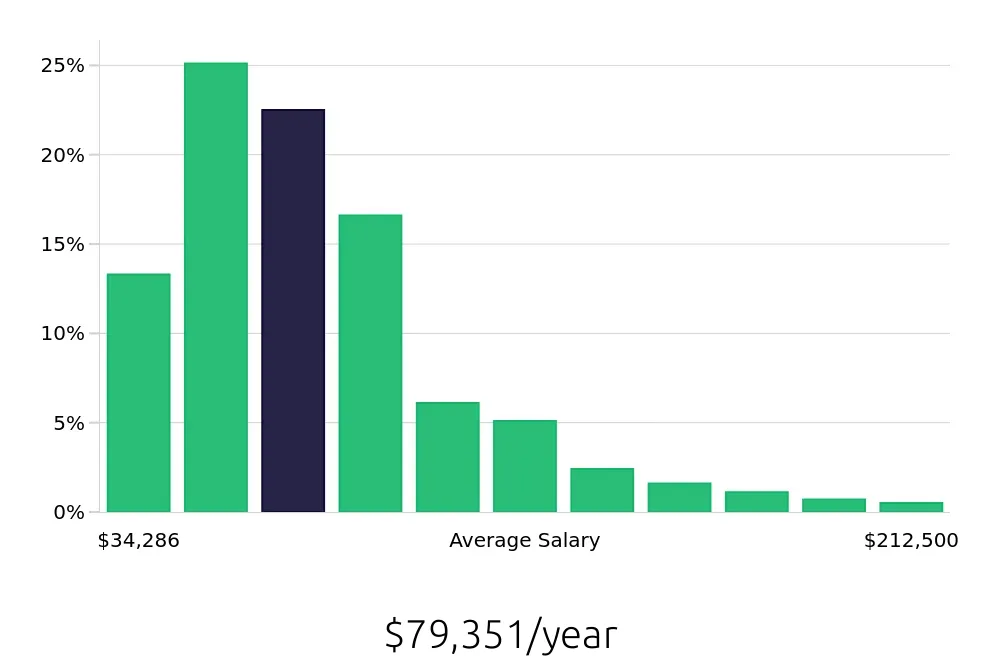
Job seekers aiming for a career as a Content Specialist have promising opportunities ahead. According to the Bureau of Labor Statistics (BLS), this role has an average of 33,500 job positions opening each year. This steady demand shows good potential for new candidates. With a projected growth of 9.7% from 2022 to 2032, it suggests a growing need for skilled Content Specialists. The BLS data also highlights a competitive average national annual compensation of $112,430. This makes the career both stable and financially rewarding.
Aspiring Content Specialists should note that the role involves creating and managing content for various media. This includes websites, blogs, and social media platforms. Companies rely on effective content to engage audiences and boost their brand presence. This need spans across industries, from marketing firms to tech companies. A Content Specialist's ability to adapt and craft engaging content can significantly impact a company's success. With the digital landscape continually expanding, this role remains crucial and evolving.
In addition to the annual salary, the BLS reports an average national hourly compensation of $54.05 for Content Specialists. This figure reflects the value placed on their skills in content creation and management. Job seekers in this field can expect to earn a good income while contributing to meaningful projects. Moreover, the BLS data indicates a stable job outlook, offering assurance for those planning a long-term career in content development. With these insights, job seekers can confidently pursue opportunities in this dynamic and rewarding field.
Currently 264 Content Specialist job openings, nationwide.
Continue to Salaries for Content Specialist