What does a Corporate Manager do?
A Corporate Manager oversees the daily operations of a company or a business division. This role involves coordinating and leading various departments to ensure smooth business functioning. The Corporate Manager plans strategic initiatives and aligns them with the company's goals. They work closely with other executives to develop business plans and policies. This position requires strong leadership, communication, and problem-solving skills. The Corporate Manager reports to the CEO and plays a key role in company growth.
In this role, the Corporate Manager handles a wide range of responsibilities. They manage budgets, allocate resources, and monitor financial performance. They also oversee human resources, ensuring that staff are well-trained and motivated. The Corporate Manager fosters a positive work environment and promotes company culture. They also handle strategic planning and analysis, making data-driven decisions to improve business outcomes. Additionally, the Corporate Manager represents the company in public and industry forums. This position demands a proactive approach and the ability to adapt to changing business landscapes.
How to become a Corporate Manager?
Becoming a Corporate Manager involves several important steps. This career path requires dedication, education, and experience. It is a journey that many professionals aspire to achieve. A Corporate Manager oversees company operations and ensures that the business runs smoothly. Here is a guide to help understand the process.
First, gaining the necessary education is crucial. Most Corporate Managers hold at least a bachelor’s degree in business administration, finance, or a related field. This educational background provides a solid foundation. A degree also opens up job opportunities in the corporate world. Continuing education can further enhance skills and knowledge.
- Earn a Bachelor’s Degree: Start with a degree in business administration, finance, or a related field.
- Gain Experience: Work in roles that develop managerial skills. Positions in project management or operations can be valuable.
- Pursue Advanced Education: Consider an MBA or other advanced degrees to increase chances of promotion.
- Network: Build connections within the industry. Attend conferences and join professional organizations.
- Seek Promotions: Aim for roles with more responsibility. Show leadership and strong performance to move up the ladder.
Next, gaining practical experience is essential. Working in roles that develop managerial skills can be very beneficial. Experience in project management or operations is often valuable. These roles provide hands-on experience with the responsibilities of a Corporate Manager.
Additional education, such as an MBA, can further enhance career prospects. Advanced degrees demonstrate a commitment to the field. They also provide deeper knowledge of business management practices. Networking within the industry can open doors to new opportunities. Attending conferences and joining professional organizations can help build valuable connections.
How long does it take to become a Corporate Manager?
Pursuing a career as a Corporate Manager offers many rewards and opportunities. It takes time and dedication to reach this level. The path varies based on experience and education. Most Corporate Managers hold a bachelor's degree in business, management, or a related field. With this foundation, they often gain several years of experience in various roles within the company.
Many managers start in entry-level positions and work their way up. This process can take anywhere from 5 to 10 years. Some managers enter the workforce with a master's degree, like an MBA, which may shorten this timeline. Each step provides valuable skills and experience. Managers learn to lead teams, manage projects, and make strategic decisions. This journey requires commitment and a willingness to learn new skills.
Corporate Manager Job Description Sample
The Corporate Manager is responsible for overseeing the overall operations of the organization, ensuring strategic goals are met, and providing direction to various departments. This role requires a strategic thinker with excellent leadership and communication skills, capable of driving the company towards success.
Responsibilities:
- Develop and implement strategic plans to achieve corporate objectives.
- Oversee the management and coordination of various departments including finance, marketing, HR, and operations.
- Collaborate with department heads to ensure alignment of departmental goals with overall corporate objectives.
- Monitor financial performance and budget adherence, making adjustments as necessary.
- Represent the company in negotiations, public forums, and other corporate events.
Qualifications
- Bachelor's degree in Business Administration, Management, or a related field; MBA preferred.
- Minimum of 7 years of experience in a senior management role, with at least 3 years in a corporate management position.
- Proven track record of strategic planning and execution.
- Strong leadership and team management skills.
- Excellent communication and interpersonal skills.
Is becoming a Corporate Manager a good career path?
A Corporate Manager holds a significant role within a company, overseeing various departments and ensuring smooth operation. This position involves coordinating with different teams, setting company goals, and making strategic decisions. The role requires a blend of leadership, communication, and analytical skills. Corporate Managers often report to the CEO or board of directors, making their decisions influential on the company's direction.
Working in this position offers a mix of challenges and rewards. Here are some pros and cons to consider:
- Pros:
- High earning potential.
- Opportunity to influence company direction.
- Variety of work responsibilities.
- Career advancement opportunities.
- Cons:
- High stress and pressure.
- Long working hours.
- Constant need to adapt to changes.
- High expectations from stakeholders.
What is the job outlook for a Corporate Manager?
The job outlook for Corporate Managers looks promising, with an average of 296,300 positions available each year. According to the Bureau of Labor Statistics (BLS), this number is set to increase by 4.2% from 2022 to 2032. Such growth highlights a stable and expanding market for individuals looking to step into this role.
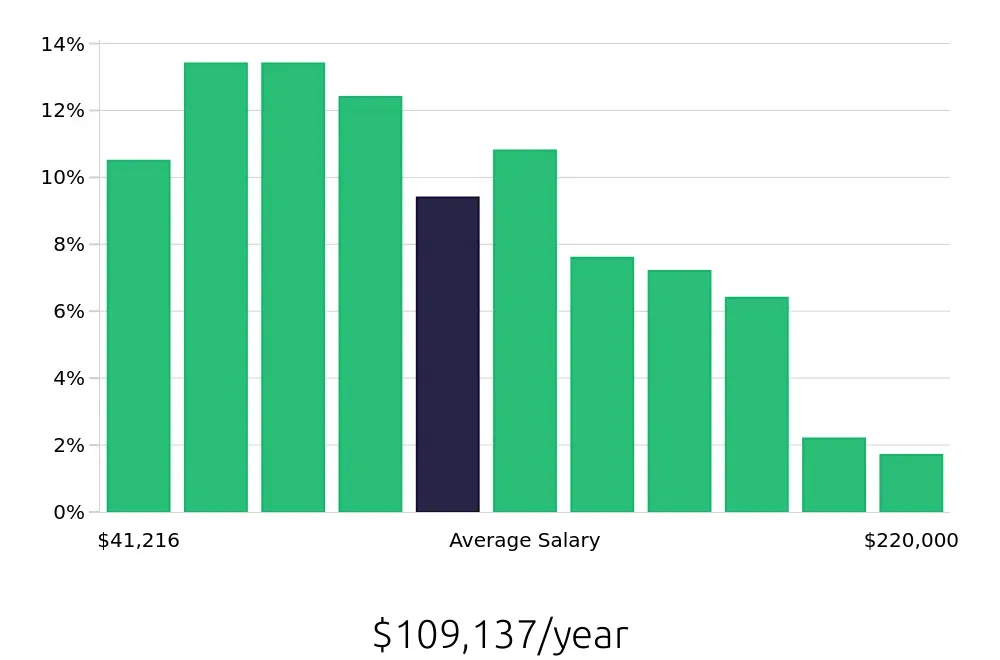
Corporate Managers can expect competitive compensation as well. The BLS reports an average national annual salary of $129,330. This figure reflects the value and responsibility that come with the position. Hourly compensation stands at $62.18, which further underscores the financial rewards associated with the role.
Overall, the future for Corporate Managers is bright, offering both growth in job opportunities and attractive compensation packages. Job seekers who target this career path can look forward to a field that values their skills and experience, providing a solid foundation for long-term career development.
Currently 144 Corporate Manager job openings, nationwide.
Continue to Salaries for Corporate Manager