Position
Overview
A counselor provides guidance and support to individuals facing challenges. They help clients understand their feelings and find solutions. Counselors work in various settings, such as schools, private practices, and community centers. Their goal is to improve clients' well-being and quality of life.
Counselors use effective communication skills to listen and respond to clients. They create a safe environment for open discussions. They assess clients' needs and develop personalized plans. Counselors often use different techniques, such as cognitive-behavioral therapy. They guide clients through difficult situations, helping them gain insights and make positive changes.
Common tasks include:
Counselors can specialize in areas like mental health, addiction, or career guidance. They must have strong empathy and a good understanding of human behavior. A career as a counselor offers a chance to make a real difference in people's lives.
Becoming a counselor requires dedication and the right steps. Counselors help people with personal, educational, and career challenges. Follow these steps to start a career in counseling.
First, earn a bachelor's degree in psychology, social work, or a related field. This provides the basic knowledge needed to understand human behavior and counseling techniques. Next, choose a specialization. Options include school counseling, marriage and family therapy, or substance abuse counseling. Decide which area interests you most and aligns with your skills.
Getting a master’s degree is the next step. Choose a program accredited by a professional body like the Council for Accreditation of Counseling and Related Educational Programs (CACREP). This degree offers more advanced training and practical experience. Complete supervised experience, working under a licensed counselor. This hands-on practice is essential for developing skills and understanding real-world counseling challenges. Finally, take and pass the licensing exams required in your state. This final step ensures you meet all legal requirements to practice as a counselor.

Interested in a fulfilling career in counseling? The journey begins with education and training. Most counselors start with a bachelor’s degree in a field like psychology or social work. This step takes about four years of full-time study. Some choose to gain experience by working in related fields during this time.
After earning a bachelor's degree, the next step is a master's degree in counseling or a related field. This usually requires an additional two years of study. This degree often includes supervised practice, such as internships or practicums. These experiences are crucial for developing the skills needed in counseling. Completing a master's degree opens up more career opportunities and higher earning potential. A licensed professional counselor (LPC) title often follows after passing the necessary exams.
We are seeking a compassionate and skilled Counselor to join our team. The ideal candidate will provide therapeutic support, guidance, and advice to individuals facing emotional, mental, or social challenges. This role requires a strong commitment to confidentiality, empathy, and professional ethics.
Responsibilities:
Qualifications
Counselors help people with mental health, career, and personal challenges. This career requires strong listening skills and the ability to provide support and guidance. Many counselors work in schools, private practices, hospitals, or community centers. They often collaborate with other professionals to ensure their clients receive comprehensive care.
Choosing a career as a counselor offers both rewards and challenges. Understanding these can help individuals make an informed decision. Below are some pros and cons to consider.
Seeking a career in counseling offers promising opportunities. The Bureau of Labor Statistics (BLS) reports an average of 89,200 job openings for counselors each year. This number is expected to grow by 11.9% from 2022 to 2032. With this growth, counselors can find many positions each year.
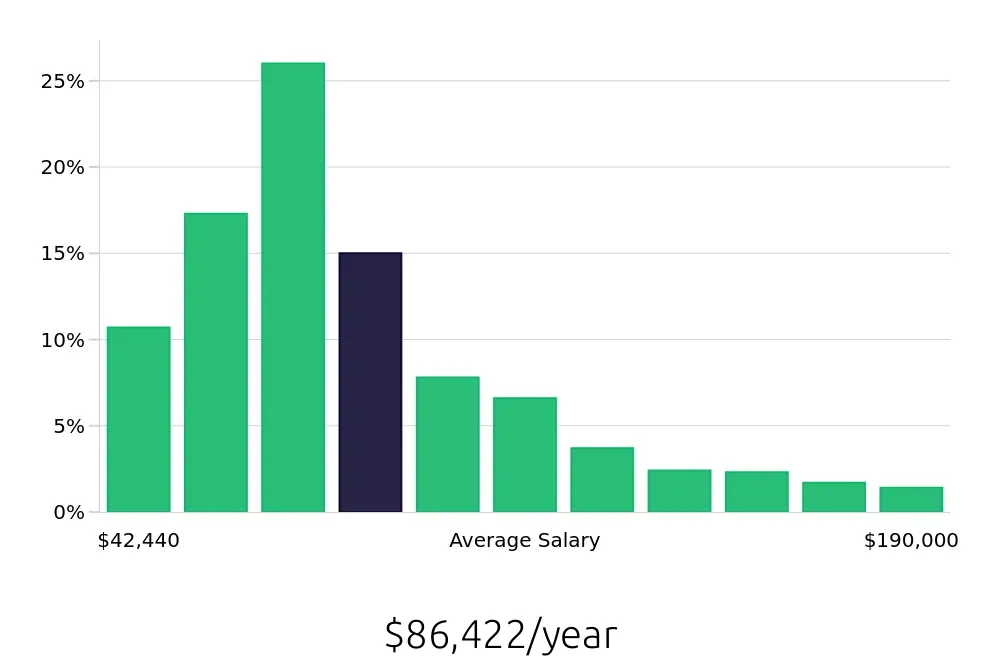
Counselors can expect a competitive salary. The BLS states the average annual compensation for counselors is $61,790. Hourly, the average rate is $29.71. These numbers show that many counseling positions offer stable and rewarding pay. This makes counseling a great choice for job seekers.
The demand for qualified counselors remains strong. Schools, hospitals, and private practices all need skilled professionals. Those interested in this field can look forward to a steady job market. With the right qualifications, counselors can build a long and successful career. Job seekers with a passion for helping others will find rewarding positions in counseling.