What does a Creative Director do?
A Creative Director guides the overall vision of a company’s creative projects. This professional leads a team of designers, writers, and artists. They ensure every project aligns with the company’s goals and values. The Creative Director often collaborates with other departments to understand project needs.
Responsibilities of a Creative Director include developing new ideas, overseeing the creative process, and managing the team. They also review and approve all creative materials. They need strong leadership skills and a clear understanding of the brand’s message. Attention to detail and excellent communication are key. The Creative Director plays a crucial role in shaping a company’s public image.
To succeed in this role, a Creative Director must have:
- A strong portfolio showcasing past projects.
- Excellent leadership and team management skills.
- A deep understanding of design principles and trends.
- Strong problem-solving and creative thinking abilities.
- Good communication and interpersonal skills.
How to become a Creative Director?
Becoming a Creative Director is a rewarding journey that combines creativity with leadership. This role demands a blend of artistic talent and strategic thinking. It requires dedication and a clear path to follow.
To embark on this path, focus on these five essential steps:
- Build a strong foundation in design and art.
- Gain experience in the industry by working in entry-level roles.
- Develop leadership and management skills.
- Create a compelling portfolio showcasing your best work.
- Network and seek mentorship from established professionals.
Start by studying design and art at a reputable institution. This education helps in understanding the fundamentals and techniques. It lays a solid groundwork for future projects. Next, gain practical experience. Seek internships or entry-level positions in design firms. This hands-on work builds your skills and industry knowledge.
Leadership skills are crucial. Learn to manage projects and teams effectively. This means learning how to guide others and make strategic decisions. A strong portfolio is essential. It must highlight your best and most innovative work. This collection will impress potential employers.
Networking opens doors. Attend industry events and connect with professionals. Seek mentors who can provide guidance and advice. Their insights can help you navigate the industry successfully.
How long does it take to become a Creative Director?
The journey to becoming a Creative Director varies. It depends on each person’s background and path. Most Creative Directors start with a bachelor’s degree in a related field. This often includes art, design, or communications. This education takes about four years.
After finishing a degree, gaining experience is key. Many start in junior or assistant roles within design firms. Working in these roles builds skills and a portfolio. This process can take anywhere from one to five years. Some Creative Directors choose to work in different areas of the industry first. This can include roles in marketing or advertising. These positions offer valuable experience and insights. With time, dedication, and the right opportunities, a person can rise to a Creative Director position.
Creative Director Job Description Sample
We are seeking a visionary Creative Director to lead our creative team and oversee all aspects of our creative projects. The ideal candidate will have a strong portfolio demonstrating innovative design skills, excellent leadership abilities, and a deep understanding of current design trends. The Creative Director will play a crucial role in shaping our brand's visual identity and ensuring all creative outputs align with our strategic goals.
Responsibilities:
- Develop and implement creative vision for all marketing and branding materials.
- Lead and mentor a team of creative professionals, fostering a collaborative and innovative work environment.
- Collaborate with marketing, product development, and sales teams to ensure brand consistency across all channels.
- Oversee the creative process from concept development through final execution, ensuring high-quality output on time and within budget.
- Stay updated with the latest design trends, technologies, and best practices to keep the team's skills current.
Qualifications
- Bachelor’s degree in Graphic Design, Fine Arts, Marketing, or related field.
- Proven experience (at least 5-7 years) as a Creative Director or similar role.
- Extensive portfolio showcasing a variety of creative projects, demonstrating strong design skills and innovation.
- Proficiency in design software such as Adobe Creative Suite (Photoshop, Illustrator, InDesign).
- Strong leadership and team management skills.
Is becoming a Creative Director a good career path?
A Creative Director leads a team of designers and artists. They shape the overall look and feel of a company's products or services. This role combines creativity with business acumen. It involves working on projects across various media, including print, digital, and video. Creative Directors often collaborate with marketing and sales teams. They ensure that all creative work aligns with the company's goals.
The career path of a Creative Director offers many rewards. Working with a team allows for collaboration and idea sharing. This role often comes with a prestigious title and good earning potential. A Creative Director gets to see their vision come to life, which can be very rewarding. However, this role also comes with challenges. The job can be high-pressure, with tight deadlines. Balancing creativity with business needs requires strong communication skills. Creative Directors may need to manage stress from various stakeholders.
Consider the following pros and cons of a Creative Director career:
- Pros:
- Opportunity to be creative every day
- Collaboration with talented professionals
- Possibility to see projects come to life
- Cons:
- High-pressure deadlines
- Balancing creativity with business needs
- Managing stress from various stakeholders
What is the job outlook for a Creative Director?
The Creative Director role is highly sought after in today’s evolving job market. The U.S. Bureau of Labor Statistics (BLS) reports that there are about 67,100 job positions available each year for Creative Directors. This provides a solid foundation for job seekers who are eyeing this profession. With a projected job opening percentage change of 1.6% from 2022 to 2032, there are good prospects for future growth. This outlook indicates a stable demand for creative talents in various industries.
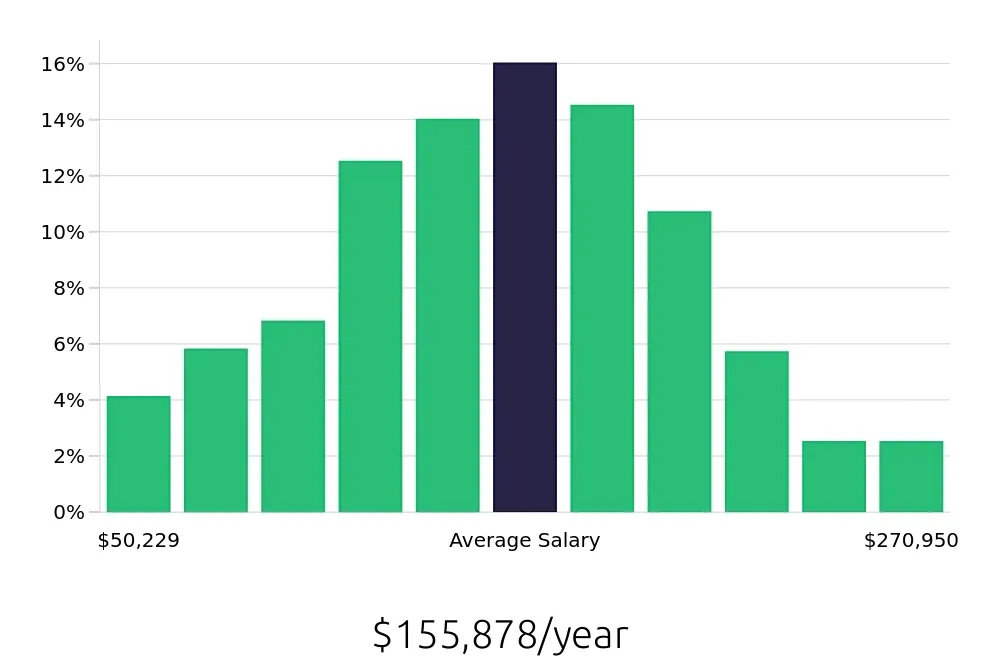
Creative Directors enjoy a competitive salary that reflects their vital role in shaping brand identities and marketing strategies. The BLS data reveals an average national annual compensation of $57,320. This figure underscores the value placed on their expertise and creative output. Additionally, the hourly rate stands at $27.56, further highlighting the reward for those who pursue this career path. These figures make the Creative Director position an attractive option for those looking to enter the field.
Creative Directors can find opportunities in a variety of sectors, including advertising, media, and entertainment. Their role involves leading creative teams, developing brand strategies, and ensuring that all projects align with the company’s vision. This diverse range of opportunities means that job seekers with a creative flair and leadership skills can thrive in this dynamic field. The combination of stable job growth and attractive compensation makes this career path an excellent choice for aspiring creative professionals.
Currently 155 Creative Director job openings, nationwide.
Continue to Salaries for Creative Director