What does a Curriculum Developer do?
A Curriculum Developer creates and designs educational programs and courses. They work with educators, subject matter experts, and instructional designers to ensure the curriculum meets learning objectives. They research and analyze educational content to develop engaging and effective learning materials. They must stay updated on educational trends and technology to enhance learning experiences.
Responsibilities include writing lesson plans, developing assessments, and creating resources like textbooks and online content. They collaborate with teachers to implement the curriculum and gather feedback. They analyze student performance data to improve the curriculum. They ensure the curriculum aligns with educational standards and goals. Curriculum Developers must have strong communication, research, and problem-solving skills.
How to become a Curriculum Developer?
Becoming a curriculum developer can lead to a fulfilling career in education. This role involves creating lesson plans and educational materials for various learning environments. This career path requires specific steps to ensure success.
Follow these steps to embark on a journey toward becoming a curriculum developer. Each step builds upon the last, creating a solid foundation for a successful career.
- Earn a relevant degree: A bachelor’s degree in education, instructional design, or a related field is essential. This education provides the foundational knowledge needed for curriculum development.
- Gain teaching experience: Experience as a classroom teacher helps understand what works in the classroom. This experience is invaluable when designing curricula.
- Learn instructional design: Understanding instructional design principles is crucial. These principles ensure that the curriculum is effective and engaging for learners.
- Develop a portfolio: Create a portfolio that showcases your work. Include lesson plans, assessments, and educational materials. This portfolio will highlight your skills to potential employers.
- Network: Connect with other educators and professionals in the field. Attend conferences, join professional organizations, and engage with online communities. Networking can lead to job opportunities and collaborations.
How long does it take to become a Curriculum Developer?
Curriculum development offers a rewarding career path for those passionate about education and learning. Typically, this journey begins with a bachelor's degree in education, instructional design, or a related field. Many curriculum developers also pursue a master's degree to specialize further. This educational foundation sets the stage for a career in curriculum development.
The time it takes to enter the field varies. A bachelor's degree usually requires four years of study. Adding a master's degree extends this to five or six years. Some individuals may also gain experience through internships, certifications, or teaching roles. These experiences add valuable insights and practical skills, often helping new developers secure entry-level positions. The combination of education and practical experience prepares professionals for a fulfilling career in curriculum development.
Curriculum Developer Job Description Sample
A Curriculum Developer is responsible for designing, developing, and implementing educational programs and materials that meet the learning needs of students. This role involves collaborating with educators, subject matter experts, and other stakeholders to create engaging and effective curriculum that aligns with educational standards and objectives.
Responsibilities:
- Design and develop curriculum, lesson plans, and educational materials for various subjects and grade levels.
- Conduct research and stay updated on educational trends, best practices, and new instructional technologies.
- Collaborate with educators, instructional designers, and subject matter experts to create engaging and effective learning experiences.
- Evaluate and revise existing curriculum to ensure alignment with educational standards and objectives.
- Incorporate diverse learning styles and needs into the curriculum design.
Qualifications
- Bachelor's degree in Education, Instructional Design, Curriculum and Instruction, or a related field. Master's degree preferred.
- Proven experience as a Curriculum Developer, Instructional Designer, or similar role.
- Strong knowledge of educational theories, instructional strategies, and best practices.
- Excellent communication, collaboration, and interpersonal skills.
- Ability to conduct research, analyze data, and make data-driven decisions.
Is becoming a Curriculum Developer a good career path?
Curriculum Developers create and improve educational programs and materials. They work in schools, universities, and training centers. They focus on making learning fun and effective for students. This job often involves research, writing, and teamwork. Curriculum Developers ensure that lesson plans meet learning goals and standards.
Choosing a career as a Curriculum Developer offers both rewards and challenges. Here are some things to think about:
- Pros:
- Help shape what students learn.
- Work in a variety of educational settings.
- Collaborate with educators and experts.
- Make a direct impact on student success.
- Cons:
- Can be stressful with tight deadlines.
- Requires constant updates and changes.
- Often involves a lot of paperwork and research.
- May face limited job opportunities in certain areas.
What is the job outlook for a Curriculum Developer?
The job outlook for Curriculum Developers looks promising. The Bureau of Labor Statistics (BLS) reports an average of 35,400 positions available each year. This means a steady flow of opportunities for those with the right skills. With a job openings percent change of 6.3% from 2022 to 2032, the demand for Curriculum Developers continues to grow. This growth is driven by the increasing need for quality educational materials across various sectors.
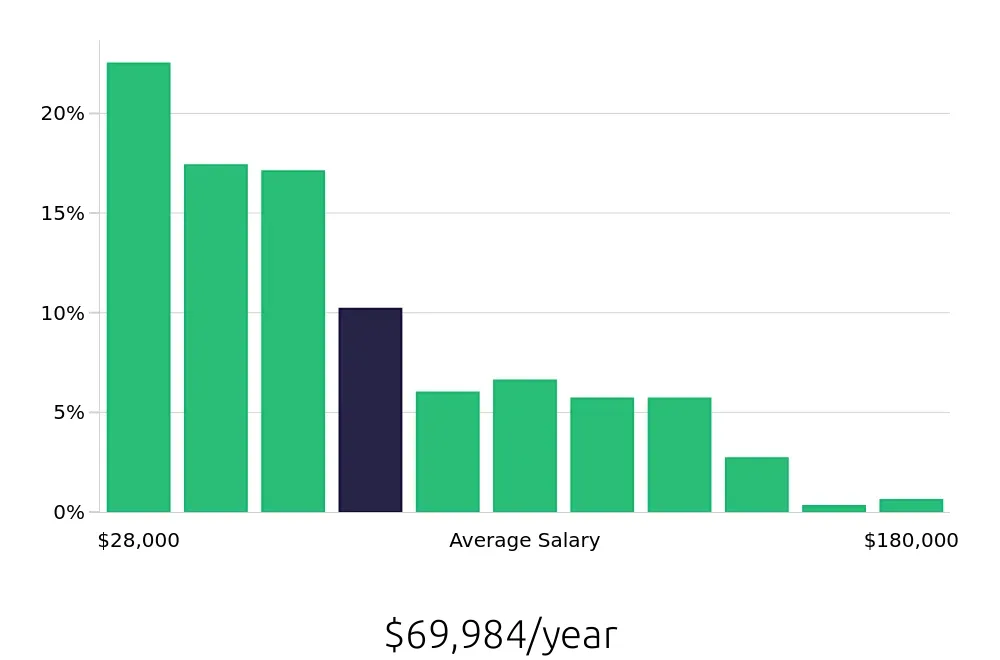
Curriculum Developers enjoy competitive compensation. The BLS notes an average national annual salary of $71,980. This figure highlights the value placed on their role in crafting educational content. Hourly, the compensation stands at $34.6, reflecting the importance of their work in shaping learning experiences. Job seekers can expect not just job security but also a rewarding financial package.
For those entering the field, the future looks bright. With a solid job outlook and competitive pay, Curriculum Development is a promising career path. Prospective developers should focus on building their skills and staying updated with industry trends. A career in Curriculum Development offers both professional growth and the chance to make a meaningful impact in education.
Currently 81 Curriculum Developer job openings, nationwide.
Continue to Salaries for Curriculum Developer