What does a Customs Consultant do?
A Customs Consultant helps businesses understand and follow the rules for importing and exporting goods. This person checks products to ensure they meet all necessary laws. Customs Consultants work with companies to avoid fines and delays at borders. They know the details of tariffs and trade agreements. This helps businesses save money and time.
Customs Consultants also help businesses deal with customs officials. They answer questions and provide documents. This person helps make sure goods move smoothly across borders. They may work with lawyers and other experts. Customs Consultants need strong attention to detail. They must also have good communication skills. This helps them explain complex rules in simple terms.
How to become a Customs Consultant?
Interested in becoming a Customs Consultant? It's a rewarding career that requires specific skills and steps. This profession involves guiding businesses on customs regulations and import/export processes. This guide will outline the steps to embark on this career path.
Starting a career in customs consulting involves a series of well-defined steps. Follow these steps to achieve your goal. First, gain a solid understanding of customs laws and regulations. This knowledge forms the foundation of your career.
- Earn a relevant degree. Consider degrees in international trade, business, or law. These degrees provide essential knowledge.
- Gain practical experience. Work in customs or related fields. Experience is crucial for understanding the industry.
- Obtain necessary certifications. Look for certifications like the Certified Customs Specialist (CCS). These credentials boost your credibility.
- Network with professionals. Join industry groups and attend events. Networking helps you learn and find job opportunities.
- Start your own consulting business. Use your knowledge and experience to help businesses navigate customs regulations.
How long does it take to become a Customs Consultant?
The journey to becoming a Customs Consultant involves a blend of education, experience, and certification. Typically, it begins with a bachelor's degree in a related field such as business, international trade, or finance. This foundational education usually takes about four years. Alongside, gaining practical experience through internships or entry-level positions in customs or trade can provide valuable insights into the field.
After completing the degree, aspiring Customs Consultants often seek professional certifications. These can include certifications such as the Certified Customs Specialist (CCS) or other relevant credentials. This certification process may take an additional year or two, depending on study schedules and exam preparation. Many professionals find that combining continued work experience with certification studies helps them advance more quickly in their career. Thus, the total time to become a fully qualified Customs Consultant can range from five to seven years.
Customs Consultant Job Description Sample
We are seeking a highly skilled and experienced Customs Consultant to join our team. The ideal candidate will have a deep understanding of customs regulations, import/export processes, and tariff classifications. They will be responsible for advising clients on customs matters, ensuring compliance with regulations, and minimizing delays in the clearance of goods.
Responsibilities:
- Provide expert advice on customs regulations, import/export processes, and tariff classifications to clients.
- Assist clients in preparing and submitting customs documentation and declarations.
- Conduct audits and reviews of clients' customs operations to ensure compliance with regulations.
- Stay updated on changes in customs laws and regulations and communicate these changes to clients.
- Develop and implement customs strategies to optimize import/export processes and reduce costs.
Qualifications
- Bachelor's degree in Business, International Trade, or a related field.
- Minimum of 5 years of experience in customs consulting or a related role.
- In-depth knowledge of customs regulations, import/export processes, and tariff classifications.
- Proven track record of ensuring compliance with customs regulations and minimizing delays in the clearance of goods.
- Excellent communication and interpersonal skills.
Is becoming a Customs Consultant a good career path?
A career as a Customs Consultant offers specialized knowledge in international trade regulations. This role involves advising businesses on customs duties, import/export procedures, and compliance with trade agreements. Customs Consultants work closely with clients to navigate the complex world of global trade, ensuring smooth and legal transactions.
The role can be both challenging and rewarding. It provides a chance to work with diverse clients and industries, gaining insight into global trade practices. However, the job can also be demanding, requiring constant updates on changing trade laws and regulations. Understanding the pros and cons can help professionals decide if this path is right for them.
Consider these pros and cons before pursuing a career as a Customs Consultant:
- Pros:
- Help businesses navigate complex trade laws.
- Opportunity to work with various clients and industries.
- Constant learning about international trade and regulations.
- Potential for high earnings, especially with experience.
Here are some cons to think about:
- Dealing with constant changes in trade regulations.
- High level of responsibility for ensuring compliance.
- Potential for stress due to tight deadlines and complex cases.
- Need for continuous education to stay updated on trade laws.
What is the job outlook for a Customs Consultant?
The role of a Customs Consultant offers a promising career path, with consistent job opportunities available each year. The Bureau of Labor Statistics (BLS) reports an average of 31,000 job positions annually. This steady demand makes it an attractive field for job seekers looking for stability and growth. As more businesses engage in international trade, the need for professionals who understand customs regulations and logistics will remain strong.
Looking ahead, the job outlook for Customs Consultants is positive. BLS forecasts a 4.6% increase in job openings from 2022 to 2032. This growth reflects the rising importance of global trade and the need for skilled consultants who can navigate complex customs requirements. Job seekers can expect a stable and growing market with plenty of opportunities to advance their careers.
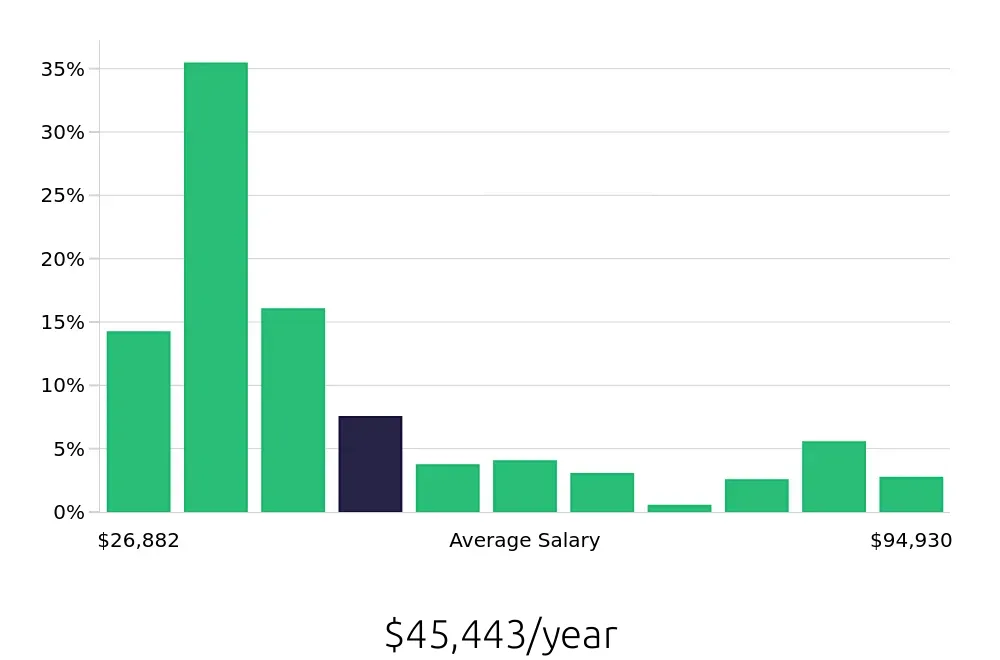
Customs Consultants enjoy a competitive salary that reflects their specialized skills. The BLS reports an average annual compensation of $80,190 and an hourly rate of $38.55. These figures indicate a rewarding career with good financial prospects. Those who excel in this field can look forward to both job security and attractive earnings.
Currently 117 Customs Consultant job openings, nationwide.
Continue to Salaries for Customs Consultant