What does a Data Entry Clerk do?
A Data Entry Clerk plays a crucial role in maintaining the accuracy and organization of information. This professional enters data into computer systems and databases. They ensure all information is correct and complete. The Data Entry Clerk handles various tasks, including typing, data sorting, and updating records. This role requires attention to detail to avoid errors. It also demands speed and efficiency to meet deadlines.
Responsibilities of a Data Entry Clerk can vary depending on the industry. Typically, they handle large volumes of information. They may work in fields like healthcare, finance, or customer service. Each industry has specific data entry needs. The Data Entry Clerk ensures all data meets industry standards. They often use software tools to input and manage data. Accuracy is key in this role. Mistakes can lead to significant issues, so precision is vital.
How to become a Data Entry Clerk?
Becoming a data entry clerk can be a rewarding career choice for those who enjoy working with numbers and details. This role involves managing and organizing data efficiently. It is a key position in many industries, from finance to healthcare. Let's explore the steps to begin this career.
Here are five essential steps to take when aiming to become a data entry clerk:
- Get the necessary education: Most employers require a high school diploma or equivalent. Some may prefer a degree in business or a related field.
- Develop typing skills: Strong typing skills are crucial. Aim for at least 40 words per minute. Practice on typing software to improve speed and accuracy.
- Learn data entry software: Familiarize yourself with common data entry tools. These include Microsoft Excel and specialized software used in specific industries.
- Gain experience: Look for internships or part-time jobs. These roles provide practical experience and help build a resume.
- Network and apply: Connect with professionals in your field. Attend job fairs and apply to openings online. Tailor your resume to highlight relevant skills and experience.
How long does it take to become a Data Entry Clerk?
The path to becoming a Data Entry Clerk often involves various steps, depending on individual circumstances. Most positions require a high school diploma or GED as a minimum educational requirement. Some employers may prefer candidates who have completed a postsecondary certificate in data entry or a related field. This additional training can help job seekers gain an edge in a competitive job market.
Time frames can vary based on personal background and career goals. High school students may complete their diploma in four years and then enter the workforce immediately. Those pursuing further education might take an additional one to two years to complete their certification. Job seekers should consider both educational pathways and any prior work experience they may have. These factors will influence how quickly they can step into the role of a Data Entry Clerk. This process typically takes between one and three years, combining education and practical experience.
Data Entry Clerk Job Description Sample
The Data Entry Clerk is responsible for accurately and efficiently entering, updating, and retrieving data into a company's database or information system. This role ensures the integrity and accessibility of data, supporting various departments in their daily operations.
Responsibilities:
- Accurately enter data from source documents into the database or information system.
- Verify data for accuracy and completeness before input.
- Update existing data in the database to reflect changes or new information.
- Retrieve data from the database or information system as requested by various departments.
- Maintain organized records and ensure data confidentiality and security.
Qualifications
- High school diploma or equivalent required.
- Proven experience as a Data Entry Clerk or similar role.
- Proficient in Microsoft Office Suite (Word, Excel, PowerPoint).
- Strong attention to detail and accuracy in data entry.
- Good typing skills with a minimum typing speed of 60 words per minute.
Is becoming a Data Entry Clerk a good career path?
A Data Entry Clerk plays a vital role in organizing and maintaining accurate records for businesses. This role involves entering information into databases and computer systems. Data Entry Clerks ensure that all data is correct and up-to-date. This job is important for businesses that need to manage large amounts of information.
Working as a Data Entry Clerk can offer both benefits and challenges. Understanding these can help someone decide if this career is a good fit. Here are some key points to consider:
- Pros:
- Job stability: Many companies need people to enter data, so job opportunities are often available.
- Skills development: This role helps develop skills in typing, data management, and attention to detail.
- Entry-level position: It is a great starting point for people new to the job market.
- Cons:
- Repetitive work: The job can be monotonous and involve a lot of typing, which may not suit everyone.
- Limited advancement: Career growth may be slow, and there may not be many opportunities for promotion.
- Potential for errors: Mistakes can occur, and accuracy is crucial, which can add pressure.
Consider these pros and cons when thinking about a career as a Data Entry Clerk. It is important to weigh these factors to make an informed decision.
What is the job outlook for a Data Entry Clerk?
The job outlook for Data Entry Clerks presents a solid opportunity for job seekers interested in entering this field. The U.S. Bureau of Labor Statistics (BLS) reports about 15,300 job openings annually. This consistent demand allows for multiple entry points throughout the year. However, job seekers should be aware that the job openings are expected to decrease by 28.7% from 2022 to 2032. This decrease reflects the growing automation in data entry tasks. Staying adaptable and gaining advanced skills can help job seekers thrive in this changing landscape.
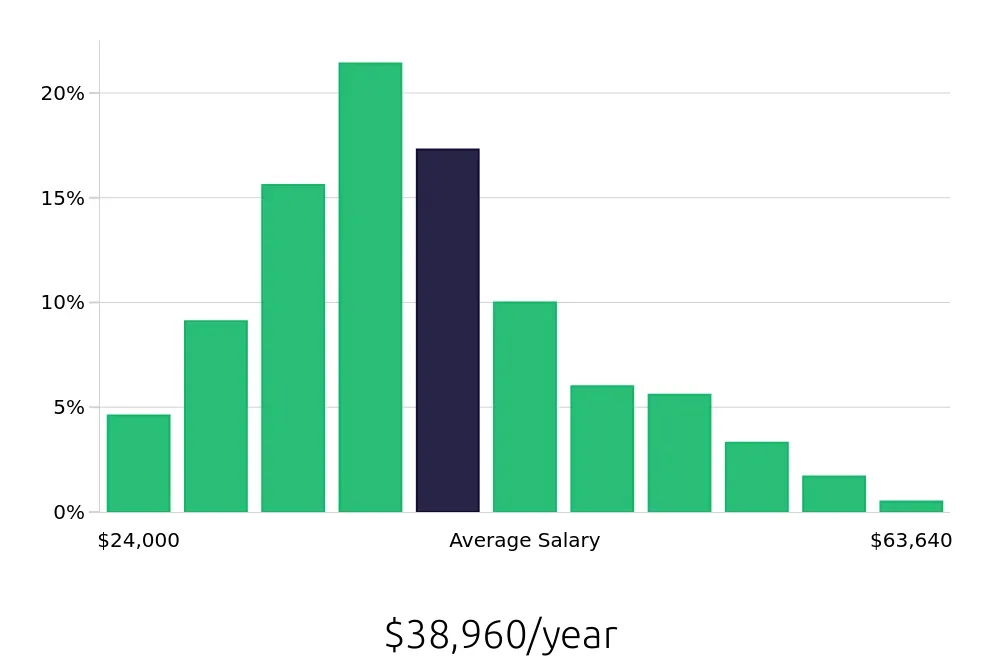
For those considering a career as a Data Entry Clerk, it is important to understand the financial aspects. The average national annual compensation for this role is $41,490, according to the BLS. This average reflects a stable earning potential for those entering the field. Hourly compensation averages $19.95, which can be a good starting point for individuals new to the job market. With experience and additional qualifications, it is possible to increase earnings. This makes the role both accessible and potentially rewarding.
Job seekers should consider the job outlook and compensation as they explore career paths. The combination of steady job openings and a competitive salary makes Data Entry Clerk a viable option. The decreasing job openings signal the need for job seekers to be proactive. Gaining relevant skills and certifications can enhance job prospects. This proactive approach will position job seekers for long-term success in this field.
Currently 843 Data Entry Clerk job openings, nationwide.
Continue to Salaries for Data Entry Clerk