Position
Overview

What does a Data Management Associate do?

A Data Management Associate works to ensure the accuracy, integrity, and security of an organization's data. This role involves handling databases, ensuring data is organized and up-to-date. Associates often use data management software to track, report, and analyze data. They play a key role in supporting decision-making processes by providing reliable and timely information.


This position requires attention to detail and strong organizational skills. The associate ensures that data is collected correctly and stored safely. They also prepare reports and presentations for management. Effective communication skills are important, as the associate often works with different departments to gather and update data. By maintaining high standards, a Data Management Associate helps the organization run smoothly and efficiently.

View Data Management Associate jobs nearby

How to become a Data Management Associate?

Becoming a Data Management Associate is a structured and rewarding process. This role involves managing data to ensure it is accurate, accessible, and secure. Here is how to embark on this career path:

First, obtain a relevant education. This may include a degree in data management, computer science, or a related field. Courses in statistics, database management, and information systems provide valuable knowledge. Next, gain practical experience. Internships or entry-level positions in data management can be very beneficial. Look for opportunities to work with databases, data analysis, and data integrity.

Developing specific skills is crucial. Proficiency in database management software, data analysis tools, and data security practices is essential. Strong attention to detail and analytical skills also help in managing and interpreting data effectively. Additionally, consider obtaining certifications. Certifications in data management or database administration can enhance your resume and demonstrate your expertise. Networking with professionals in the field can provide insights and job leads. Continuously update your skills by taking courses and attending workshops.

  1. Obtain a relevant education
  2. Gain practical experience
  3. Develop specific skills
  4. Obtain certifications
  5. Network and stay updated

How long does it take to become a Data Management Associate?

A Data Management Associate often enters this field with a relevant college degree. This path typically takes about two to four years. The first step involves earning a bachelor's degree in information technology, computer science, or a related field. Many students complete internships or entry-level positions to gain practical experience. Once the degree is earned, gaining specialized skills through certifications or further education can strengthen a candidate's profile. Certifications such as the Certified Data Management Professional (CDMP) or courses in data analysis tools can make a candidate more competitive. This additional training usually takes several months to a year, depending on the program and the individual's pace. Finding a position may require a job search and interviews, but the total time from education to employment often spans about two to four years.

Interested in joining the data management field? Knowing how long it takes can guide your education and career planning. Most Data Management Associates hold at least a bachelor's degree. A four-year degree program covers essential skills. Relevant courses include statistics, database management, and data analytics.

Experience plays a key role as well. Internships and entry-level positions build practical skills. On average, this entire process takes about four to five years. Some may complete it faster with part-time studies or additional certifications. This time investment leads to a rewarding career in data management.

Data Management Associate Job Description Sample

The Data Management Associate will be responsible for ensuring the accuracy, integrity, and accessibility of the company's data. This role involves managing databases, performing data analysis, and supporting data-driven decision-making processes.

Responsibilities:

  • Manage and maintain company databases, ensuring data integrity and security.
  • Perform data analysis to support business decisions and strategies.
  • Collaborate with various departments to understand data requirements and provide insights.
  • Develop and maintain data management policies and procedures.
  • Prepare reports and visualizations to present data findings to stakeholders.

Qualifications

  • Bachelor's degree in Data Management, Information Technology, or a related field.
  • Proven experience in data management or a similar role.
  • Strong analytical and problem-solving skills.
  • Proficiency in database management systems (e.g., SQL, Oracle, MySQL).
  • Familiarity with data visualization tools (e.g., Tableau, Power BI).

Is becoming a Data Management Associate a good career path?

A Data Management Associate plays a key role in organizing, maintaining, and securing an organization's data. This position requires a solid understanding of data management systems and databases. The job often involves tasks like data entry, analysis, and ensuring data accuracy. With the rise of data-driven decision-making, this role is becoming increasingly important.

Working as a Data Management Associate offers several benefits. First, the job provides opportunities to work with cutting-edge technology. This role often involves using the latest software and tools to manage data effectively. Also, the job can lead to positions with more responsibility, such as Data Manager or Data Analyst. These roles offer greater challenges and higher pay.

However, there are some downsides to consider. The work can be repetitive and detail-oriented. This role requires a lot of focus and accuracy, which can be tiring over time. Also, the job may limit opportunities for creative or hands-on tasks. Most of the work involves handling data, which can be less exciting for some people.

Pros of being a Data Management Associate:

  • Opportunity to work with advanced technology.
  • Path to higher-level positions with more responsibility.
  • Growing demand in many industries.

Cons of being a Data Management Associate:

  • Repetitive and detail-oriented tasks.
  • Limited opportunities for creative work.
  • Potential for high stress from maintaining data accuracy.

What is the job outlook for a Data Management Associate?

The job outlook for Data Management Associates looks promising. The Bureau of Labor Statistics (BLS) reports an average of 40,200 job positions available per year. This suggests a steady demand for professionals who can manage and analyze data. These roles are crucial in various industries, from finance to healthcare, making it a versatile career choice.

Job growth is also on the rise. The BLS predicts a 4% increase in job openings from 2022 to 2032. This growth rate indicates a positive trend for aspiring Data Management Associates. As companies continue to rely more on data-driven decision-making, the need for skilled data management professionals will grow. This growth provides a stable and growing career path for those interested in this field.

Data Management Associates also enjoy competitive compensation. The BLS reports an average national annual salary of $113,710. This figure highlights the financial rewards of pursuing a career in data management. Additionally, the average hourly wage stands at $54.67. This data reflects the value placed on data management skills in the job market. For those seeking both job security and a rewarding salary, this career path is worth considering.

Currently 152 Data Management Associate job openings, nationwide.

Continue to Salaries for Data Management Associate

Learn about Data Management Associate salaries, top-paying cities, and hiring companies. See how much you could earn!
Position
Salary
Salaries For Data Management Associate
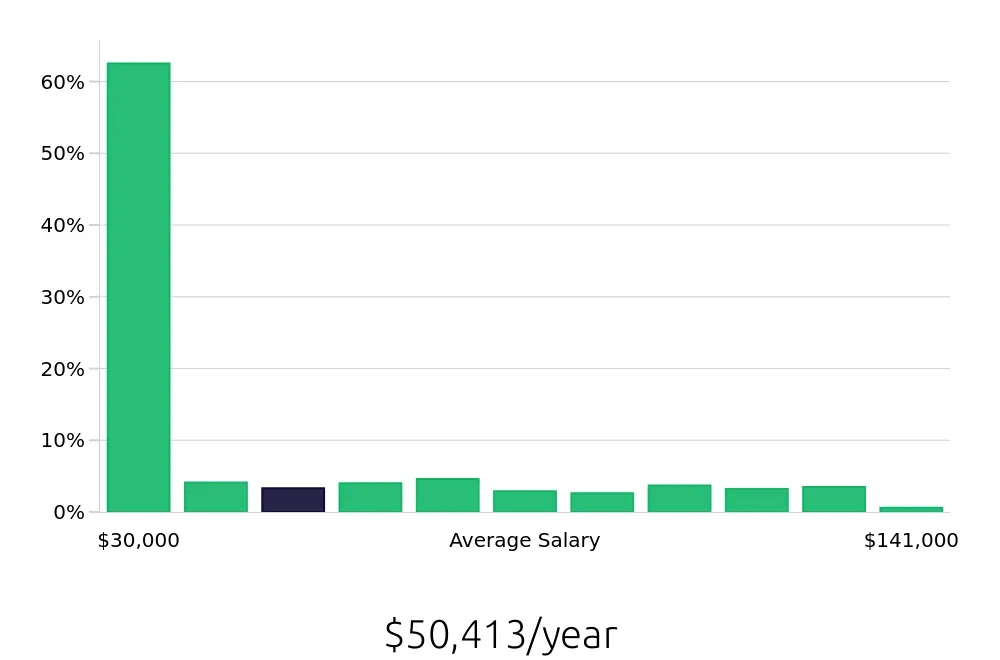
Averge salary $78,705 per year
Graph depicting the yearly salary distribution for Data Management Associate positions, showing an average salary of $78,705 with varying distribution percentages across salary ranges.