What does a Data Processor do?
A Data Processor plays a key role in handling and managing data within an organization. This role involves collecting, organizing, and analyzing information to support various business functions. Data Processors ensure data is accurate and secure. They use specialized software to track and sort data, making it accessible for reports and analysis.
Responsibilities include inputting data from various sources, updating databases, and running reports. They often work with Data Analysts to interpret data trends. Data Processors must maintain strict confidentiality and follow data security protocols. This role requires attention to detail and the ability to handle large volumes of information efficiently. Those in this role contribute to making informed business decisions and improving operational efficiency.
Skills needed for this position include proficiency in data entry and database management. Familiarity with data analysis tools is a plus. Good communication skills are also important, as Data Processors often collaborate with other departments. They must be able to work independently and manage their time well. With the right skills, this role offers a stable and rewarding career path.
How to become a Data Processor?
Becoming a Data Processor can lead to a rewarding career in a growing field. Follow these steps to start your journey and enhance your resume.
First, understand what a Data Processor does. This role involves collecting, organizing, and managing data. It requires attention to detail and a solid understanding of data management systems.
- Earn a relevant degree: A degree in computer science, information technology, or a related field provides a strong foundation.
- Gain experience: Internships or entry-level positions in data management can offer valuable skills and experience.
- Learn data management software: Familiarize yourself with programs like SQL, Excel, and data analysis tools.
- Develop soft skills: Improve communication, problem-solving, and teamwork skills to excel in this role.
- Obtain certifications: Certifications in data management can boost your credentials and job prospects.
How long does it take to become a Data Processor?
Starting a career as a data processor can open many doors in today's tech-driven world. This role is essential for businesses that need to manage and interpret large sets of information. Typically, a person can begin working as a data processor with a high school diploma and some on-the-job training. The time it takes to get started varies based on a few key factors.
First, some data processors may enter the field with a certificate in data entry or information management. These programs often take six months to a year to complete. After completing a certificate program, individuals can start as junior data processors, learning on the job. For those with more experience, a degree in computer science or information technology can lead to quicker entry into the field. A bachelor's degree usually takes about four years to complete. With a degree, individuals can often start at a higher level in their career, with more responsibility and better pay.
Those who already have some experience in the tech field might find a role as a data processor with less formal training. They can often move into this role with skills they've gained through previous jobs or self-study. For these professionals, the transition can take just a few months. Online courses, workshops, and certifications can also help speed up the process, providing the necessary skills and knowledge to excel in the role.
Data Processor Job Description Sample
The Data Processor is responsible for managing, organizing, and interpreting data to ensure it is accurate, accessible, and useful for decision-making. This role involves working with raw data, performing data cleaning, and using analytical tools to transform data into actionable insights.
Responsibilities:
- Collect and organize data from various sources to ensure data accuracy and integrity.
- Clean, transform, and validate data to prepare it for analysis.
- Use statistical and analytical tools to interpret data and generate meaningful insights.
- Collaborate with other departments to understand their data needs and provide relevant data.
- Maintain data processing standards and ensure compliance with data protection regulations.
Qualifications
- Bachelor’s degree in Data Science, Computer Science, Information Technology, or a related field.
- Proven experience in data processing and data analysis.
- Strong proficiency in data management tools and software (e.g., SQL, Excel, Python, R).
- Excellent analytical and problem-solving skills.
- Attention to detail and high accuracy in data handling.
Is becoming a Data Processor a good career path?
Working as a Data Processor offers a unique blend of technical skills and attention to detail. This role involves handling, organizing, and analyzing data to ensure accuracy and efficiency. Data Processors often work in fields like finance, healthcare, and technology, making them valuable in many industries.
Data Processors enjoy several benefits. They often have stable employment and can work in various environments, from office settings to remote positions. The role also offers opportunities for career advancement and skill development. However, this career path has its challenges. It can be repetitive and require long hours in front of a computer. Job seekers should also be aware of the need for strong attention to detail and accuracy, as errors can have serious consequences.
Consider these points when thinking about a career as a Data Processor:
- Pros:
- Stable employment opportunities
- Variety of work environments
- Opportunities for skill development
- Cons:
- Repetitive tasks
- Long hours on a computer
- High need for attention to detail
What is the job outlook for a Data Processor?
Becoming a Data Processor offers a promising career path with a steady job outlook. The Bureau of Labor Statistics (BLS) reports an average of 46,700 job positions available each year. This steady demand reflects the critical role data processors play in organizing and managing large sets of information. Job seekers can feel confident that opportunities will remain consistent over the coming years.
The job outlook for Data Processors remains stable, with a projected job openings percent change of 0% from 2022 to 2032, according to the BLS. This stability indicates a reliable career choice for those looking to enter or advance in this field. Data processors are essential in various industries, including healthcare, finance, and technology. This widespread need for skilled professionals ensures that job security remains a strong factor for this career.
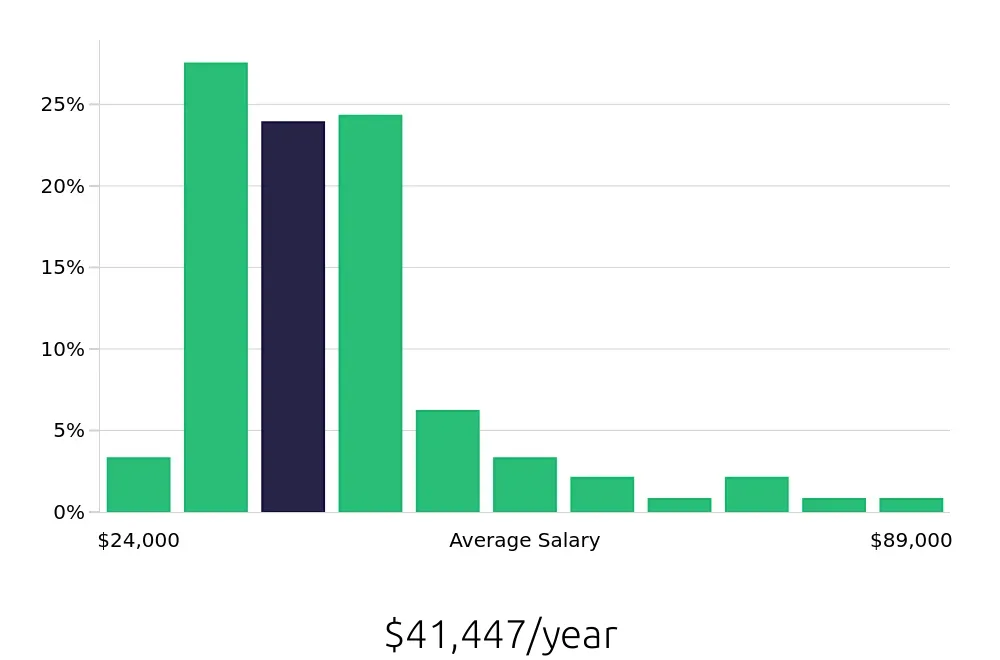
Data Processors can expect an average national annual compensation of $47,120, as reported by the BLS. This figure highlights the financial rewards that come with this career. In addition, the average national hourly compensation for Data Processors is $22.66, which adds up to a respectable income over time. Job seekers can look forward to both job security and a good salary, making this a highly attractive career option.
Currently 31 Data Processor job openings, nationwide.
Continue to Salaries for Data Processor