What does a Day Trader do?
A Day Trader buys and sells financial securities within the same trading day. They use strategies to profit from market movements. This involves analyzing charts, using technical analysis, and making quick decisions. Day Traders aim to capitalize on small price changes. They often work with a computer, monitoring the market continuously. This role requires discipline and focus.
Day Traders need to manage risk and emotions. They set up trades based on market trends and news. They use various tools to track prices and execute trades swiftly. Day Trading can be exciting and rewarding but also carries risks. Success depends on knowledge, skill, and experience. Day Traders can work independently or for a trading firm. They often start early and finish late, keeping an eye on global markets. Day Trading offers a dynamic career for those who enjoy the fast-paced world of finance.
How to become a Day Trader?
Becoming a day trader can be a rewarding career path for those who are disciplined and strategic. This profession involves buying and selling securities within a single trading day. With the right approach, anyone can start this exciting journey.
The process requires a blend of education, practice, and dedication. Here are the steps to guide someone through becoming a successful day trader.
- Educate Yourself: Start by learning the basics of trading. Study market trends, understand technical analysis, and get familiar with trading platforms. Websites and books can provide valuable insights.
- Develop a Strategy: Create a trading plan that fits your risk tolerance and financial goals. This plan should include entry and exit points, risk management, and how to handle losses.
- Practice with a Demo Account: Use a simulated trading account to practice without risking real money. This step allows traders to test their strategies in a real-time market environment.
- Start Small: Begin with a small amount of capital. This reduces the risk of significant financial loss. Gradually increase the amount as confidence and experience grow.
- Stay Disciplined: Stick to the trading plan and avoid impulsive decisions. Keeping detailed records of trades and reviewing performance regularly helps maintain discipline.
How long does it take to become a Day Trader?
Day trading offers an exciting path for those who love the fast pace of financial markets. Many people wonder about the time it takes to become a successful day trader. This depends on various factors, including dedication, experience, and education.
First, it helps to understand the basics. Some traders start with online courses or self-study. They learn about market trends, strategies, and tools. This often takes a few weeks to a few months. Then, they practice on virtual trading platforms. This step lets traders apply what they learned without risking real money. With practice, traders gain confidence. They learn to make quick decisions. Experienced traders can spend months or even years refining their skills. Success comes from consistent practice and learning from each trade.
Here are steps to get started:
- Learn the basics through courses or books.
- Practice on virtual trading platforms.
- Study market trends and trading strategies.
- Refine skills with consistent practice and real trading.
Day Trader Job Description Sample
We are seeking a skilled Day Trader to join our dynamic trading team. The ideal candidate will have a proven track record of executing short-term trading strategies to capitalize on market movements. This role requires a strong analytical mindset, excellent decision-making skills, and the ability to manage risk under pressure. The Day Trader will operate independently and collaborate with other traders and analysts to maximize profit and minimize risk.
Responsibilities:
- Develop and implement short-term trading strategies to take advantage of market opportunities.
- Analyze market trends, economic indicators, and financial news to make informed trading decisions.
- Monitor and manage open positions to ensure optimal risk and reward ratios.
- Execute trades using various platforms and tools, ensuring accuracy and efficiency.
- Review and adjust trading strategies based on market conditions and performance.
Qualifications
- Bachelor’s degree in Finance, Economics, or a related field.
- Proven experience as a Day Trader or in a similar trading role.
- Strong understanding of financial markets and trading strategies.
- Proficiency in trading platforms and analytical tools.
- Excellent analytical and quantitative skills.
Is becoming a Day Trader a good career path?
Being a day trader involves buying and selling securities within the same trading day. This job appeals to those who enjoy fast-paced work and quick decisions. Day traders often work in financial markets, focusing on stocks, currencies, or commodities. They aim to profit from small price changes throughout the day.
Working as a day trader has both benefits and drawbacks. It offers flexibility and the chance to work from anywhere with an internet connection. Day traders set their own hours and can choose when to start and stop. This job also provides the potential for high earnings. However, the risk of significant losses exists. Market volatility can lead to quick financial losses. Stress levels can be high due to the fast-paced environment.
Here are some pros and cons to consider:
- Pros:
- Flexible hours
- Work from anywhere
- Potential for high earnings
- Cons:
- High risk of loss
- High stress levels
- Requires continuous learning
What is the job outlook for a Day Trader?
The job outlook for Day Traders appears promising, making it a lucrative career path to consider. According to the Bureau of Labor Statistics (BLS), there are an average of 40,100 job positions for Day Traders each year. This consistent number of job openings presents numerous opportunities for aspiring traders to enter the field. Additionally, the BLS projects a 7.4% percent change in job openings from 2022 to 2032, indicating a steady increase in demand for skilled Day Traders.
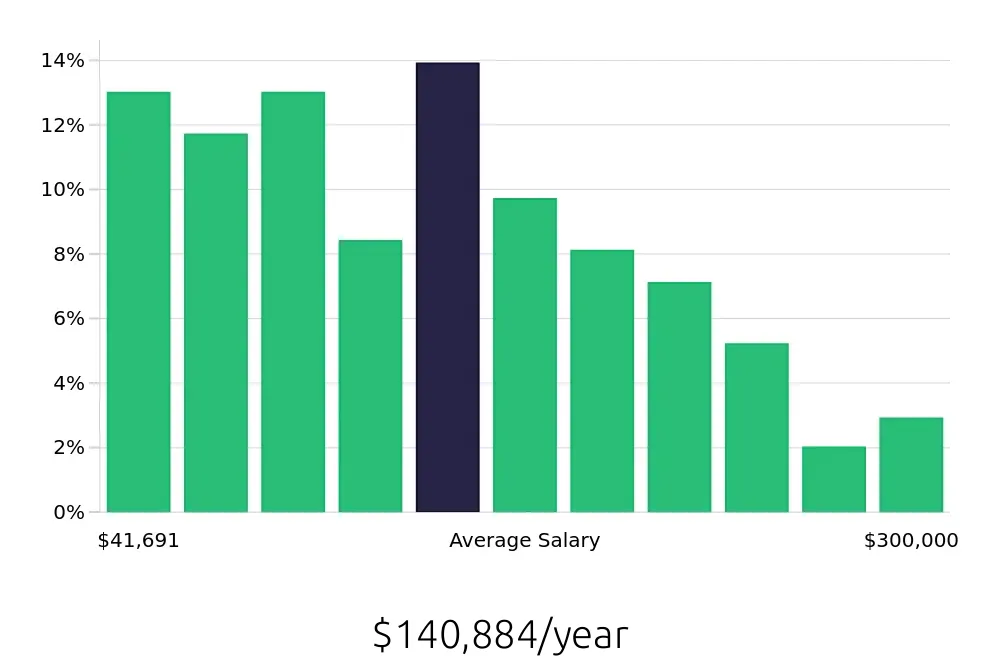
A Day Trader's role involves buying and selling securities within a single trading day, aiming to capitalize on short-term market movements. With an average national annual compensation of $109,710, as reported by the BLS, Day Traders can expect a competitive salary. Furthermore, the hourly compensation rate of $52.75 highlights the potential for high earnings, especially for those who demonstrate expertise and success in their trades. The combination of job security and attractive compensation makes this career path appealing for those seeking financial stability and growth.
Interested job seekers should be aware that the Day Trader profession demands a high level of skill, dedication, and analytical ability. Success in this field requires continuous learning and adaptation to market trends. While the job outlook is positive, aspiring Day Traders must also prepare for the competitive nature of the industry. The combination of a steady job market and lucrative compensation makes Day Trading an exciting and potentially rewarding career choice for those willing to invest the necessary time and effort into mastering the craft.
Currently 305 Day Trader job openings, nationwide.
Continue to Salaries for Day Trader