What does a Design Director do?
A Design Director oversees the creative vision and design strategies within a company. This role involves leading a team of designers to develop branding, marketing materials, and product designs. The Design Director collaborates with other departments, ensuring the design aligns with business goals. They manage projects from concept to completion, providing leadership and guidance to the design team.
Key responsibilities of a Design Director include overseeing design projects, guiding the creative process, and ensuring high-quality output. They coordinate with stakeholders, present design concepts, and manage budgets. The Design Director also stays updated with industry trends, ensuring the company's design remains innovative and competitive. This role requires strong leadership skills, creativity, and a keen eye for detail.
How to become a Design Director?
Becoming a Design Director is a rewarding career path that demands a mix of creativity, leadership, and business acumen. It requires dedication and strategic planning. Follow these steps to guide your journey.
First, gain a strong foundation in design. Start with a relevant degree or equivalent experience. Look for programs in graphic design, industrial design, or a related field. Next, build a solid portfolio that showcases your best work. This highlights your skills and creativity to potential employers.
- Obtain formal education or experience in design.
- Build a portfolio to showcase your skills.
- Gain experience in a design role. Aim for positions that offer project management or leadership responsibilities.
- Develop business skills. Learn about project management, budgeting, and team leadership.
- Network and seek mentorship. Connect with professionals in the design industry. Look for mentors who can offer guidance and advice.
Advance in your career by taking on more leadership roles. Look for opportunities to manage projects and teams. Seek roles that allow you to influence design strategy. Continuously improve your skills and stay updated on industry trends. This helps to position yourself as a strong candidate for a Design Director role.
How long does it take to become a Design Director?
The journey to becoming a Design Director involves a blend of education, experience, and skill development. Typically, a bachelor's degree in a related field such as graphic design or visual communications serves as the starting point. This degree program usually takes four years to complete. During this time, individuals learn the fundamentals of design principles and software tools.
After earning a degree, most professionals gain experience by working in entry-level positions. This may include roles such as graphic designer, art director, or creative director. Gaining experience helps individuals develop a portfolio that showcases their skills and growth over time. Depending on the individual's pace and the opportunities available, this phase can last between three to five years. The exact timeline may vary, but consistent effort and dedication lead to greater responsibilities and higher-level roles. Eventually, with the right combination of education, experience, and a robust portfolio, the path opens up to becoming a Design Director.
Design Director Job Description Sample
The Design Director is a key leadership role responsible for shaping and executing the overall design strategy for the organization. This role involves overseeing the creative vision, ensuring consistency in brand identity, and leading the design team to deliver impactful and innovative design solutions. The Design Director will collaborate with various departments to ensure the design aligns with business goals and client requirements.
Responsibilities:
- Lead and inspire the design team to create innovative and visually compelling designs across various media and platforms.
- Develop and implement the overall design strategy that aligns with the company’s vision, mission, and business objectives.
- Oversee the creation of design guidelines, standards, and best practices to maintain brand consistency.
- Collaborate with marketing, product development, and other departments to ensure design alignment with business goals and client needs.
- Review and approve design work, providing constructive feedback to team members to enhance their skills and the quality of their output.
Qualifications
- Bachelor’s degree in Graphic Design, Fine Arts, or a related field. A Master’s degree is preferred.
- Minimum of 10 years of experience in a design leadership role, with a proven track record of delivering high-quality design projects.
- Extensive portfolio showcasing a wide range of design projects, including branding, digital design, print, and interactive media.
- Strong understanding of design principles, brand strategy, and user experience design.
- Excellent leadership and team management skills, with the ability to inspire and motivate a diverse team.
Is becoming a Design Director a good career path?
A Design Director leads a team of creative professionals, guiding the vision and aesthetics of a company's products. This role requires a mix of creative talent and leadership skills. Design Directors work across various industries, from fashion to technology. They ensure the visual and functional quality of designs meets business goals.
This role offers many opportunities but also comes with challenges. Consider these pros and cons before pursuing a career in this field.
Here are some pros of being a Design Director:
- Creativity: This job lets you express your creative ideas and bring them to life.
- Leadership: You will manage a team, helping them grow and succeed.
- Impact: Your designs can shape how products look and feel, affecting customers.
- Collaboration: You will work with different teams, from marketing to engineering.
However, there are also some cons to think about:
- Pressure: Meeting deadlines and high expectations can be stressful.
- Responsibility: You will be accountable for the design direction of the company.
- Competition: The field is competitive, with many talented designers vying for top roles.
- Change: Staying current with trends and technologies can be demanding.
What is the job outlook for a Design Director?
The role of a Design Director is crucial in shaping a company's visual identity and branding. This career path offers promising opportunities for those skilled in design and leadership. According to the Bureau of Labor Statistics (BLS), there are about 67,100 job positions for Design Directors each year. This offers a steady flow of opportunities for qualified professionals.
Job seekers can look forward to a positive outlook in the Design Director field. The BLS predicts a 1.6% increase in job openings from 2022 to 2032. This steady growth indicates a stable and expanding demand for Design Directors. This trend makes it an excellent time for job seekers to enter or advance in this career.
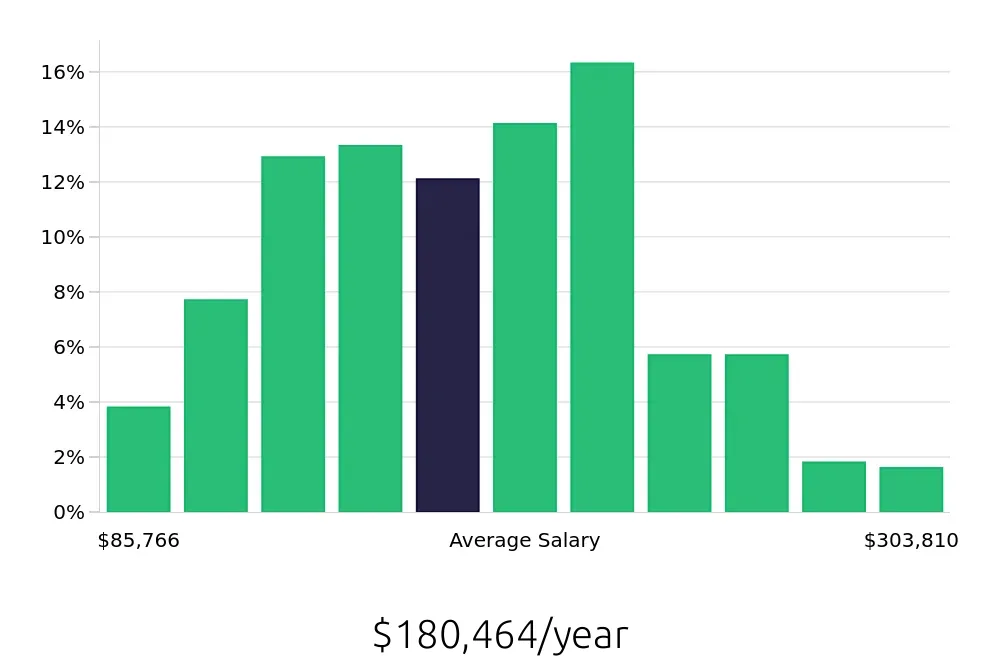
For those considering a career as a Design Director, the compensation is also attractive. The BLS reports an average national annual salary of $57,320. This translates to an hourly rate of $27.56. Competitive salaries, along with growth opportunities, make this career choice both rewarding and promising. Job seekers can expect a fulfilling career with good financial rewards.
Currently 54 Design Director job openings, nationwide.
Continue to Salaries for Design Director