What does a Designer do?
A Designer creates visual concepts to communicate ideas that inspire, inform, and captivate consumers. They work on a range of projects, from logos and brochures to websites and product packaging. Designers collaborate with clients and stakeholders to understand project goals and target audiences. They use a variety of design software to produce high-quality visuals. Designers must stay current with design trends and technologies to produce effective and appealing work.
In this role, a Designer combines creativity with technical skills. They research design concepts and create visual assets. Designers often present their work to clients and gather feedback. They refine their designs based on this input. This role requires strong communication skills and the ability to work well in a team. Designers must also manage their time effectively to meet project deadlines.
How to become a Designer?
Becoming a designer requires a blend of creativity, technical skills, and strategic planning. It is a journey that can lead to a fulfilling and rewarding career. A well-structured process can guide aspiring designers through the steps necessary to succeed in this dynamic field.
One effective way to begin is to identify personal interests and strengths. This helps in choosing a specific design discipline. Graphic design, web design, product design, and fashion design are just a few examples. Once a niche is selected, it is essential to build a strong foundation of skills and knowledge. This can be achieved through education, practice, and continuous learning. Building a portfolio showcases talent and experience, and networking allows for opportunities with industry professionals. Attending workshops, webinars, and conferences also helps to stay updated on industry trends and technologies.
The journey towards becoming a designer involves several key steps:
- Identify Personal Interests: Choose a specific design discipline based on personal interests and strengths.
- Education and Skills Development: Enroll in courses, workshops, or degree programs to build a strong foundation of design skills.
- Build a Portfolio: Create a collection of work that showcases talent and experience. This is crucial for job applications and freelance opportunities.
- Networking: Connect with industry professionals through events, social media, and professional organizations. Networking can lead to valuable job opportunities and collaborations.
- Stay Updated: Attend workshops, webinars, and conferences to keep up with industry trends and technologies. Continuous learning is key to long-term success in design.
How long does it take to become a Designer?
Design careers offer many paths, each with a different timeline. Graphic designers often start with a bachelor’s degree, which takes about four years. This degree teaches skills like using design software and understanding color theory. Some designers choose to study longer, earning a master’s degree in a related field. This can take an additional two years. Many professionals also gain experience through internships or entry-level positions. These can provide valuable skills and connections.
Those who focus on web or UX design may find shorter entry points. Many bootcamps offer intensive courses lasting just a few months. These programs focus on practical skills and real-world projects. This makes it easier to start a career quickly. However, continuous learning is key. Designers should stay updated with new software and trends. Attending workshops or online courses helps maintain skills and knowledge.
Designer Job Description Sample
We are seeking a creative and innovative Designer to join our team. The ideal candidate will be responsible for developing visual concepts, designing layouts, and producing high-quality graphics for various projects. The Designer will work closely with the marketing and creative teams to ensure brand consistency and alignment with company goals.
Responsibilities:
- Develop and design visual concepts and layouts for various projects, including marketing materials, website content, and social media graphics.
- Create high-quality graphics, illustrations, and animations that align with the brand identity.
- Collaborate with marketing and creative teams to develop campaign themes and visual storytelling.
- Ensure brand consistency across all visual materials and maintain alignment with company goals.
- Stay updated on design trends and incorporate innovative ideas into projects.
Qualifications
- Bachelor's degree in Graphic Design, Fine Arts, or a related field.
- Proven experience as a Designer or a similar role.
- Strong portfolio showcasing a variety of design projects and skills.
- Proficiency in design software such as Adobe Creative Suite (Photoshop, Illustrator, InDesign).
- Excellent understanding of design principles and typography.
Is becoming a Designer a good career path?
A career as a designer offers a fulfilling path for those with a passion for creativity and visual storytelling. Designers create products, graphics, and layouts that communicate ideas effectively. This role spans various industries, from fashion to technology. It requires a blend of artistic talent and technical skills. The job often involves working with clients or teams to bring visions to life. Designers must stay updated with trends and tools to stay competitive.
Choosing to become a designer comes with its own set of advantages and challenges. Understanding these can help professionals make informed career decisions. Below are some key pros and cons to consider.
Pros of a Designer Career
- Creativity: Designers can express their ideas and concepts through their work.
- Variety: The job offers diverse projects and opportunities to work with different clients.
- Demand: There is a consistent need for designers across many industries.
- Technological advancements: Designers have access to new tools and software that enhance their work.
Cons of a Designer Career
- Pressure: Meeting deadlines and client expectations can be stressful.
- Competition: Many people aspire to become designers, which can make it tough to stand out.
- Job instability: Freelance designers may face periods without steady work.
- Continual learning: Designers must keep updating their skills to stay relevant.
What is the job outlook for a Designer?
Designing is a growing field with a promising job outlook. The Bureau of Labor Statistics (BLS) reports an average of 67,100 job positions per year for designers. This field offers steady opportunities for those seeking a career in design. Designers can expect a 1.6% growth in job openings from 2022 to 2032, which is steady compared to other occupations. This indicates a stable and expanding job market for designers.
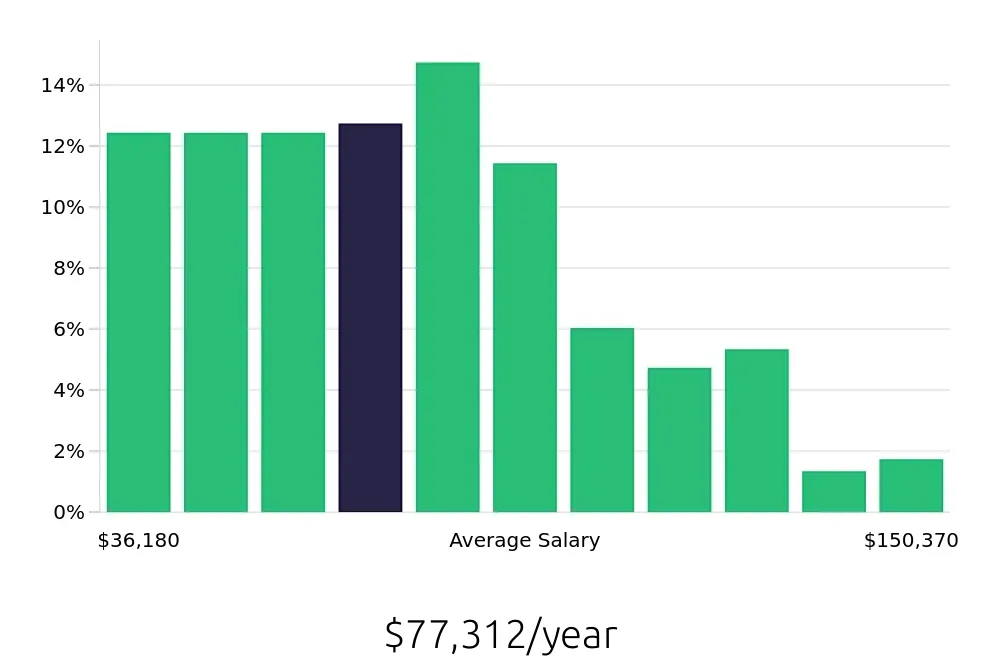
Design professionals enjoy a competitive salary. The average national annual compensation for designers stands at $57,320. This figure highlights the financial rewards of a career in design. Hourly, the average compensation for designers is $27.56, offering a good earning potential. These figures reflect the value placed on design skills in various industries.
Interested designers will find many job openings in various sectors. Opportunities exist in graphic design, web design, interior design, and more. This versatility allows designers to find roles that match their skills and interests. With the right qualifications, designers can secure rewarding positions that offer both growth and financial stability.
Currently 35 Designer job openings, nationwide.
Continue to Salaries for Designer