What does a Development Engineer do?
A Development Engineer focuses on creating and improving products. They work closely with design and production teams to bring new ideas to life. This role involves testing and refining prototypes to ensure they meet quality standards. Development Engineers also analyze data to solve technical problems. They use computer-aided design (CAD) software to create detailed plans. This position requires strong problem-solving skills and attention to detail.
Development Engineers must stay updated with the latest technology and industry trends. They collaborate with other engineers and stakeholders to ensure projects are on track. This role demands a mix of creativity and technical know-how. Successful Development Engineers communicate effectively to explain their work and progress. They play a key role in bringing innovative products to market.
How to become a Development Engineer?
Becoming a Development Engineer is an exciting journey that involves several steps. It requires dedication and a clear path to success. By following the right steps, anyone can achieve this career goal. Here is a straightforward guide to help you navigate this process.
Start with a strong educational foundation. Most employers look for candidates with a degree in engineering or a related field. Look for programs that offer courses in software development, systems design, and engineering principles. A bachelor’s degree is usually the minimum requirement. Some may pursue a master’s degree for advanced positions. Building this knowledge base is crucial for future success.
Gain practical experience through internships or entry-level positions. Look for opportunities in engineering firms, tech companies, or any place where you can apply what you have learned. Internships provide hands-on experience and a chance to network with professionals in the field. Working on real projects can help you understand how theory applies in practice.
Develop a portfolio of your work. Collect samples of projects you have completed, such as software development tasks, design blueprints, or any engineering work. A well-organized portfolio showcases your skills and achievements to potential employers. Include descriptions of your role and the impact of your work.
Stay updated with the latest technology and industry trends. The tech world changes rapidly. Keeping up with new tools, programming languages, and industry standards is essential. Take online courses, attend workshops, and read industry publications. Continuous learning will help you stay competitive in the job market.
Network with professionals in the field. Join engineering associations, attend industry events, and connect with peers on professional networks like LinkedIn. Building relationships can open doors to job opportunities and valuable insights. Networking also allows you to learn from experienced engineers and expand your knowledge.
How long does it take to become a Development Engineer?
Development engineers focus on creating and improving products. They use science, math, and technology to design things that people need. To start a career as a development engineer, education and experience matter. Most people need at least a bachelor's degree in a related field. This degree takes about four years to complete. Programs often include courses in engineering, design, and technology.
After earning a degree, gaining experience becomes important. Engineers can get practical experience through internships or entry-level jobs. This step can take an extra one to two years. Working in the field helps engineers understand real-world problems and solutions. Some engineers continue their education with a master's degree. This degree can take another two years. A master's degree often leads to more job opportunities and higher pay. In total, becoming a development engineer usually takes between five to seven years. This path includes education and gaining practical experience.
Development Engineer Job Description Sample
We are seeking a highly skilled and motivated Development Engineer to join our team. The ideal candidate will have a strong background in engineering principles and a passion for developing innovative solutions to complex technical challenges.
Responsibilities:
- Collaborate with cross-functional teams to design, develop, and implement engineering solutions.
- Conduct thorough research and analysis to identify and resolve technical issues.
- Create detailed technical documentation and reports to communicate engineering designs and specifications.
- Oversee the testing and validation of engineering designs to ensure compliance with industry standards and project requirements.
- Provide technical support and guidance to junior engineers and other team members.
Qualifications
- Bachelor’s degree in Engineering (Mechanical, Electrical, or related field).
- Minimum of 3-5 years of experience in a similar role.
- Proficient in CAD software and engineering tools.
- Strong analytical and problem-solving skills.
- Excellent communication and teamwork abilities.
Is becoming a Development Engineer a good career path?
A Development Engineer plays a key role in designing and improving products. This role merges creativity with technical skills. It often involves working in teams, using software, and testing prototypes. The job can lead to exciting and rewarding career paths. It offers many opportunities to innovate and solve real-world problems.
Choosing this career path comes with its own set of benefits and challenges. Understanding these can help someone decide if it is the right fit. Below are some pros and cons to consider.
- Pros:
- Opportunity to work on new projects
- Chance to innovate and create
- Potential for high job satisfaction
- Good salary and benefits
- Career growth and advancement options
- Cons:
- Long hours and high pressure
- Need for continuous learning
- Can be physically demanding
- High level of responsibility
- Possible exposure to hazardous materials
What is the job outlook for a Development Engineer?
The job outlook for Development Engineers is quite promising. According to the Bureau of Labor Statistics (BLS), an average of 1,300 positions open each year. This trend continues to grow, with a projected 8.1% increase in job openings from 2022 to 2032. This growth highlights a strong demand for skilled professionals in this field.
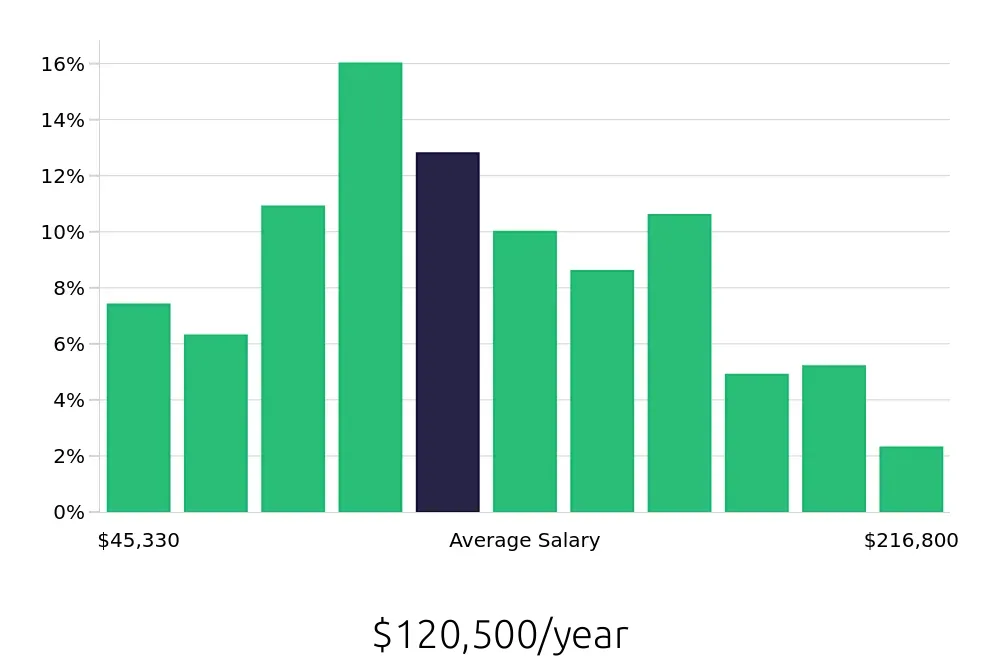
Development Engineers enjoy competitive compensation, with an average national annual salary of $122,910. Hourly wages also reflect this, averaging $59.09 per hour. These figures show the value placed on the expertise and skills of Development Engineers. This outlook makes the career path both financially rewarding and stable.
With consistent job openings and attractive compensation, the career of a Development Engineer offers both security and growth opportunities. Aspiring professionals can look forward to a field with positive trends and rewarding prospects.
Currently 340 Development Engineer job openings, nationwide.
Continue to Salaries for Development Engineer