What does a Development Manager do?
A Development Manager leads teams focused on creating and improving software products. This role involves coordinating with developers, setting project timelines, and ensuring that projects meet quality standards. A Development Manager communicates with stakeholders, manages budgets, and aligns team efforts with company goals.
To succeed in this position, a Development Manager needs strong leadership skills and a good understanding of software development processes. This professional keeps the team motivated, resolves conflicts, and ensures that all team members have the resources they need. They also track progress, report on project statuses, and adjust plans as needed to meet deadlines. This role requires clear communication and the ability to manage both technical and interpersonal challenges.
How to become a Development Manager?
Becoming a Development Manager involves several steps that can lead to a rewarding career. This role often requires a blend of technical skills, leadership abilities, and industry experience. A clear path exists for those who pursue it with determination and the right qualifications.
Here are the steps to follow to become a Development Manager:
- Earn a relevant degree. Start with a bachelor's degree in fields like computer science, engineering, or business.
- Gain experience. Work in roles such as software developer or project coordinator. This builds essential skills and industry knowledge.
- Develop project management skills. Learn to manage teams and projects. Certifications like PMP can be helpful.
- Get leadership experience. Take on roles that involve managing teams or overseeing projects. This shows your ability to lead.
- Network and seek opportunities. Attend industry events and join professional groups. This helps you learn about job openings and industry trends.
How long does it take to become a Development Manager?
The journey to becoming a Development Manager varies. Many managers start with a bachelor's degree in business, management, or a related field. This degree typically takes about four years to complete. Some may choose to pursue a master's degree, which adds another two years. During this time, students learn about project management, leadership, and business strategies.
After completing education, gaining experience is crucial. Most managers begin as junior developers or project coordinators. They may work in this role for several years, gaining hands-on experience. Experience helps them understand the intricacies of project development and team management. With experience, professionals can transition to a Development Manager position. The total time from starting a bachelor's degree to becoming a manager can range from six to eight years. This path ensures a solid foundation for success in the role.
Development Manager Job Description Sample
We are seeking a skilled Development Manager to lead our development team, drive strategic initiatives, and ensure the successful execution of projects. The Development Manager will oversee the full project lifecycle, manage team dynamics, and collaborate with cross-functional departments to achieve organizational goals.
Responsibilities:
- Lead and manage the development team, providing direction, coaching, and performance feedback.
- Develop and implement project plans, ensuring timely and successful delivery of projects.
- Collaborate with other departments to align development activities with business objectives.
- Oversee the allocation of resources, including personnel, budget, and tools, to maximize efficiency.
- Identify opportunities for process improvements and implement best practices to enhance productivity.
Qualifications
- Bachelor’s degree in Computer Science, Information Technology, or a related field; Master’s degree preferred.
- Proven experience (7+ years) in a development management role within a software development environment.
- Strong knowledge of software development methodologies (Agile, Scrum, etc.) and project management tools.
- Excellent leadership skills with the ability to motivate and manage a diverse team.
- Strong problem-solving skills and the ability to make data-driven decisions.
Is becoming a Development Manager a good career path?
The role of a Development Manager involves overseeing the growth and expansion of a business. This position requires strong leadership and project management skills. Development Managers often work in sectors like real estate, technology, or non-profits. They focus on identifying opportunities for growth, managing teams, and ensuring projects align with company goals.
This career path offers many benefits. Development Managers often enjoy competitive salaries and opportunities for advancement. They have the chance to influence company direction and impact community development. Working in diverse environments can provide rich learning experiences. However, this role also has challenges. Development Managers face high expectations and tight deadlines. They must balance multiple projects and manage various stakeholders. Stress can be a constant companion due to the responsibility of driving growth.
Here are some pros and cons to consider:
- Pros:
- Competitive salary
- Opportunities for career growth
- Influence over company direction
- Diverse work environments
- Cons:
- High expectations
- Tight deadlines
- Multiple project management
- Constant stress
What is the job outlook for a Development Manager?
The role of a Development Manager presents a promising career path for job seekers. The Bureau of Labor Statistics (BLS) indicates an average of 3,500 job positions opening annually. This consistent demand offers stability and growth opportunities. With a projected percent change in job openings of 6.5% from 2022 to 2032, the outlook remains favorable.
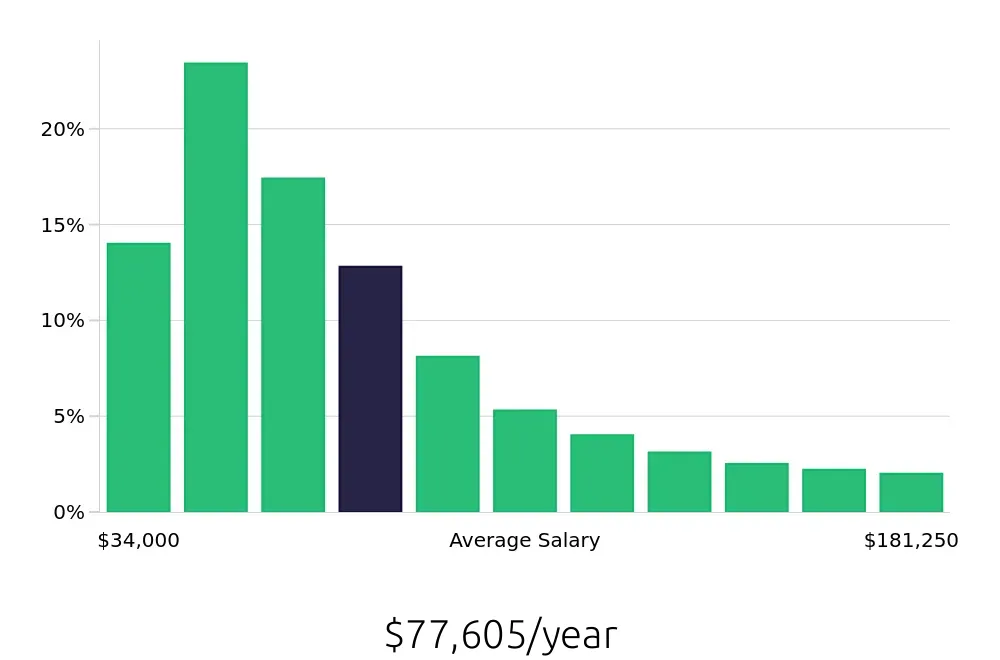
Development Managers can expect competitive compensation as well. According to BLS data, the average national annual salary stands at $138,450. This figure reflects the skill and experience required for the role. Additionally, the hourly compensation averages $66.56, highlighting the value employers place on their managers.
For those interested in this career, the data suggests a bright future. With steady job growth, good compensation, and a stable outlook, becoming a Development Manager is a smart choice. Job seekers should prepare to meet the demands of the role to capitalize on these opportunities.
Currently 2,056 Development Manager job openings, nationwide.
Continue to Salaries for Development Manager