What does a Development Manager do?
A Development Manager leads projects to ensure they are completed on time and within budget. They work with teams to set goals, plan resources, and monitor progress. This role involves coordinating with different departments to ensure everything runs smoothly. The Development Manager also reports to senior management, providing updates on project status.
Key responsibilities include overseeing project planning, managing budgets, and ensuring quality standards are met. The Development Manager coordinates with various teams, such as engineering, marketing, and finance. They ensure all team members understand their roles and responsibilities. They also handle any issues that arise during the project lifecycle, ensuring swift resolutions. This role requires excellent communication skills and the ability to lead by example.
The Development Manager's job is to drive projects from concept to completion. They ensure that every step is carefully planned and executed. This role is crucial for achieving organizational goals and delivering successful projects.
How to become a Development Manager?
Becoming a Development Manager involves several clear steps that can guide an individual toward a successful career in this field. To embark on this journey, one must first gain a solid understanding of project management and software development. This foundation sets the stage for future learning and career growth. An individual should seek opportunities to work on development projects to gain practical experience and improve skills.
Networking with professionals in the industry can provide valuable insights and open doors to new opportunities. Individuals should also consider further education or certifications to enhance their knowledge and credentials. Staying updated with the latest trends and technologies in software development is essential. Building a strong portfolio showcasing successful projects will make a candidate more attractive to potential employers.
The process to become a Development Manager includes the following steps:
- Acquire foundational knowledge in project management and software development.
- Gain practical experience by working on development projects.
- Network with industry professionals for insights and opportunities.
- Consider further education or certifications to enhance skills.
- Stay updated with the latest trends and technologies.
By following these steps, an individual can position themselves for a successful career as a Development Manager.
How long does it take to become a Development Manager?
Many people wonder how long it takes to become a Development Manager. The journey can vary, but most professionals spend several years building their skills. Starting with a bachelor's degree in computer science, information technology, or a related field takes about four years. This education lays the groundwork for understanding key concepts and technologies in software development.
After earning a degree, gaining hands-on experience is crucial. Many managers begin as software developers or project coordinators. This role often takes 3-5 years. During this time, they work on projects, learn new skills, and understand the business side of software development. Some may also pursue certifications, such as PMP or Scrum Master, to enhance their resumes. These steps build the knowledge and experience needed to move into a management role. With dedication and the right opportunities, the path to becoming a Development Manager can be rewarding and fulfilling.
Development Manager Job Description Sample
The Development Manager is responsible for overseeing the strategic planning and execution of development projects, ensuring alignment with organizational goals and stakeholder expectations. This role involves managing a team of developers, coordinating with cross-functional teams, and driving project initiatives to successful completion.
Responsibilities:
- Lead and manage a team of developers, providing guidance, mentorship, and performance feedback.
- Develop and implement strategic plans for software and product development, ensuring timely and within-budget delivery.
- Collaborate with stakeholders to define project requirements, scope, and objectives.
- Oversee the entire project lifecycle, from conceptualization and design to implementation and deployment.
- Conduct regular project status meetings and prepare progress reports for senior management.
Qualifications
- Bachelor’s degree in Computer Science, Information Technology, or a related field; Master’s degree preferred.
- Minimum of 5-7 years of experience in software development management, with a proven track record of leading successful projects.
- Strong understanding of software development methodologies and project management principles.
- Excellent leadership and team management skills, with the ability to motivate and inspire a diverse team.
- Proven ability to manage multiple projects simultaneously, prioritizing tasks effectively.
Is becoming a Development Manager a good career path?
A Development Manager plays a key role in overseeing projects from start to finish. They ensure that everything runs smoothly, from planning to execution. This role often involves coordinating with various teams, including design, engineering, and sales. Managers need strong communication skills and the ability to manage time well. They also need to be good at problem-solving and decision-making. This position offers the chance to make a real impact on a company's success.
Working as a Development Manager has several benefits. One major advantage is the opportunity for career growth. Managers can advance to higher roles, like Director of Development or Chief Development Officer. They also get to work on interesting projects and meet new people. However, the job has its challenges. Development Managers often work long hours and may face high stress. They need to handle tight deadlines and tight budgets. Despite these challenges, many find the role rewarding and fulfilling.
Consider these pros and cons before choosing this career path.
- Pros:
- Opportunity for career advancement.
- Variety of projects and responsibilities.
- Chance to make a significant impact on company success.
- Cons:
- Long hours and potential stress.
- Need to meet tight deadlines.
- Budget management pressures.
What is the job outlook for a Development Manager?
Job seekers looking to enter the field of Development Management can find encouraging signs in the job outlook. The Bureau of Labor Statistics (BLS) reports around 3,500 new positions open each year. This steady stream of job openings suggests a robust demand for qualified candidates. With such a consistent number of positions, the field remains accessible for those entering it.
Moreover, the outlook for Development Managers looks promising, with an expected growth of 6.5% from 2022 to 2032. This growth indicates a positive trend in the industry, with more opportunities becoming available over the next decade. For job seekers, this means an expanding field with increasing potential for career advancement and stability. The increasing demand for skilled managers signals a favorable environment for those looking to build a long-term career in development management.
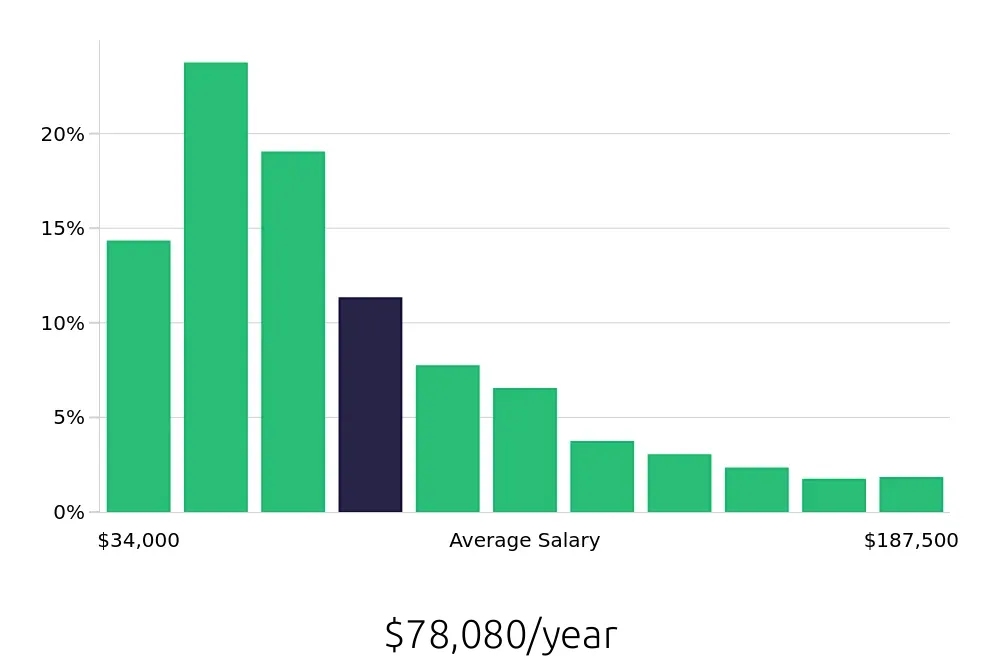
In terms of compensation, Development Managers enjoy a competitive salary, with an average annual income of $138,450, according to the BLS. On an hourly basis, the average compensation stands at $66.56, reflecting the value placed on their expertise and responsibilities. These figures highlight the rewarding nature of this career path, both financially and professionally. For job seekers, this means that pursuing a role in Development Management can lead to a lucrative and fulfilling career.
Currently 2,075 Development Manager job openings, nationwide.
Continue to Salaries for Development Manager