What does a Diet Aide do?
A Diet Aide helps people make healthy food choices. They work with dietitians and nutritionists to assist in meal planning and preparation. This role supports patients in hospitals or other healthcare settings, ensuring they receive meals that meet their dietary needs. Diet Aides often prepare simple meals and snacks, following recipes and guidelines. They also help set up dining areas, ensuring everything is clean and ready for patients. This position plays a key role in supporting the nutritional health of individuals under care.
The responsibilities of a Diet Aide include serving meals to patients, making sure that dietary restrictions are respected. They assist in kitchen tasks like washing dishes and cleaning equipment. Diet Aides often communicate with healthcare staff to update them on patients' food preferences and dietary needs. They may also help with inventory, ensuring that food supplies are adequate. This position requires attention to detail and a caring approach, ensuring that each patient's meal is both nutritious and enjoyable.
How to become a Diet Aide?
Embarking on a career as a Diet Aide can lead to a rewarding job helping people achieve their health goals. This role often involves assisting dietitians and nutritionists to create meal plans and educate clients. The path to becoming a Diet Aide involves several steps, each designed to equip the individual with necessary skills and qualifications.
Below is a simple guide to get started on this career path:
- Obtain a high school diploma or GED. This is the first step towards entering the field. Having a solid educational foundation will help in further studies.
- Consider taking relevant courses in high school or community college. Subjects like biology, chemistry, and nutrition can be beneficial.
- Earn a degree in a related field. While not always required, a degree in nutrition, dietetics, or a similar area can be advantageous.
- Gain experience through internships or volunteer work. This practical experience can be crucial for understanding the daily tasks and responsibilities of a Diet Aide.
- Seek certification if needed. Some regions require certification to work as a Diet Aide, so check local regulations to see if this applies to you.
How long does it take to become a Diet Aide?
To start a career as a Diet Aide, the journey can vary based on several factors. Generally, one might complete a certificate program in a few months to a year. Many community colleges offer shorter-term courses while others may take up to two years for an associate degree. These programs teach important skills like meal planning and nutrition.
After completing an educational program, gaining practical experience becomes important. This often involves internships or entry-level positions in healthcare facilities or food service settings. Some Diet Aides might start with volunteer work to build their resume. Gaining experience can take several months to a year, depending on opportunities and dedication. With time, Diet Aides often develop a strong understanding of dietary needs and client care, leading to more responsibility and growth in the field.
Diet Aide Job Description Sample
The Diet Aide will assist dietitians and nutritionists in providing meal planning and nutritional support to patients and residents in healthcare or residential care facilities. This role involves preparing meals according to dietary requirements, maintaining accurate records of food intake, and supporting the implementation of dietary programs.
Responsibilities:
- Assist in the preparation of meals that meet specific dietary needs and preferences.
- Ensure that food is prepared and served in a timely manner according to scheduled meal times.
- Monitor and record patients' food intake and report any changes or concerns to the dietitian or nutritionist.
- Clean and sanitize kitchen areas and food preparation equipment to maintain hygiene standards.
- Assist in the development and implementation of nutritional programs and meal plans.
Qualifications
- High school diploma or equivalent required; additional education in nutrition or food service preferred.
- Prior experience in a food service or dietary role, preferably in a healthcare setting, is advantageous.
- Knowledge of basic nutrition principles and dietary requirements.
- Ability to follow written and verbal instructions and work well in a team environment.
- Strong attention to detail and ability to maintain accurate records.
Is becoming a Diet Aide a good career path?
A career as a Diet Aide offers a meaningful role in healthcare and nutrition. This position involves supporting registered dietitians and nutritionists. Diet Aides help create meal plans and provide dietary education. They work in hospitals, schools, and private practices. This role plays a key part in helping people maintain a healthy diet.
Choosing this career path has many benefits and some challenges. Consider these pros and cons before deciding if it fits your goals. Working as a Diet Aide allows you to make a difference in people’s health. You also get to learn a lot about nutrition and cooking. The job often provides opportunities to work with different people. However, it can be demanding. The work can be repetitive at times. Pay for Diet Aides might not be very high. Understanding these factors can help you make an informed choice.
- Pros of Being a Diet Aide:
- Help people improve their health.
- Learn about nutrition and cooking.
- Work in various settings like hospitals and schools.
- Cons of Being a Diet Aide:
- The work can be repetitive.
- Job demands can be high.
- Pay may not be very high.
What is the job outlook for a Diet Aide?
The job outlook for Diet Aides appears promising with an average of 87,700 positions expected annually, according to the Bureau of Labor Statistics (BLS). Job openings for Diet Aides are projected to increase by 8.6% from 2022 to 2032. This growth reflects the rising demand for health services, which often includes diet and nutrition support.
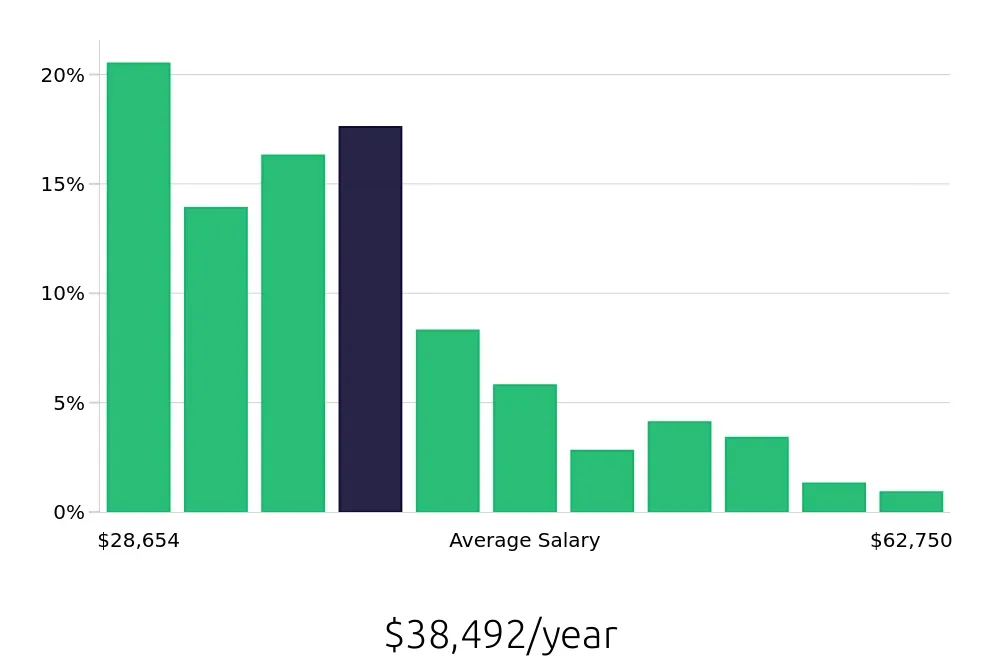
The role of a Diet Aide is crucial in healthcare settings, assisting dietitians and nutritionists. This position involves helping patients with meal plans and ensuring they meet dietary needs. The average national annual compensation for Diet Aides is $45,720, with an average hourly rate of $21.98. This compensation is competitive and reflects the important nature of the work Diet Aides perform in healthcare environments.
Job seekers interested in this field can expect a steady job market with good earning potential. The combination of job stability and fair compensation makes being a Diet Aide an attractive career choice. With the ongoing focus on health and wellness, the demand for Diet Aides is likely to remain strong.
Currently 113 Diet Aide job openings, nationwide.
Continue to Salaries for Diet Aide