What does a Digital Marketer do?
A Digital Marketer plays a crucial role in promoting brands and products online. This role focuses on creating and executing marketing strategies that reach the target audience through various digital platforms. Digital Marketers often work on social media campaigns, search engine optimization (SEO), email marketing, and content creation. They analyze data to understand what works best and adjust strategies accordingly.
Digital Marketers collaborate with different teams to ensure a consistent brand message across all channels. They often use tools like Google Analytics, social media management software, and email marketing platforms. This role requires creativity, analytical skills, and a solid understanding of digital trends. Digital Marketers must stay updated with the latest tools and techniques to effectively reach their audience.
How to become a Digital Marketer?
Becoming a Digital Marketer involves several steps to gain the necessary skills and experience. This career path is both exciting and rewarding, offering many opportunities to grow in the digital world. With the right approach, one can build a successful career in digital marketing.
To embark on this career, it is crucial to follow a structured path. Here are five essential steps to becoming a Digital Marketer:
- Learn the Basics: Start by understanding what digital marketing is. Study the different channels, such as SEO, social media, email marketing, and content marketing. Online courses, tutorials, and blogs are great resources.
- Build a Foundation: Gain practical experience. Create a personal blog or a social media account. Use these platforms to share your knowledge and engage with others. Practice different aspects of digital marketing to see what you enjoy the most.
- Get Certified: Look for certifications in areas like Google Analytics, Google Ads, and social media marketing. These credentials can boost your resume and show potential employers that you have the skills they are looking for.
- Work on Real Projects: Apply for internships or freelance gigs. This hands-on experience will help you learn how to use digital marketing tools and strategies in real-world situations. It also builds your portfolio, which is important for job applications.
- Stay Updated: The digital marketing landscape changes quickly. Keep learning by following industry news, attending webinars, and taking advanced courses. This will help you stay ahead of trends and technologies.
How long does it take to become a Digital Marketer?
Time spent to become a Digital Marketer varies based on chosen paths. Some find success with targeted online courses, while others pursue formal education. Most individuals complete a course in a few months, while a bachelor's degree takes about four years. Continuous learning through online resources and certifications can also enhance skills.
Gaining experience further shapes a professional's journey. Internships, entry-level positions, and freelance work build practical skills. Networking, attending workshops, and joining industry groups provide opportunities for learning and growth. Individuals committed to mastery often spend several years in the field to gain diverse experiences and advanced knowledge.
Digital Marketer Job Description Sample
We are seeking a creative and analytical Digital Marketer to join our marketing team. The ideal candidate will have a deep understanding of digital marketing concepts and a proven track record of developing and executing successful digital marketing campaigns. The Digital Marketer will be responsible for driving online traffic and lead generation, analyzing campaign performance, and continuously optimizing marketing strategies.
Responsibilities:
- Develop and implement digital marketing strategies to increase brand awareness and drive online traffic.
- Manage and optimize paid advertising campaigns on platforms such as Google Ads, Facebook Ads, and LinkedIn Ads.
- Create and manage engaging content for social media channels, email marketing, and the company website.
- Analyze campaign performance using various analytical tools and prepare reports to communicate results to the marketing team.
- Conduct market research to identify trends and opportunities in the digital marketing landscape.
Qualifications
- Bachelor's degree in Marketing, Business, or a related field.
- Proven experience as a Digital Marketer or similar role.
- In-depth knowledge of digital marketing concepts, including SEO, SEM, social media marketing, and email marketing.
- Proficiency in using digital marketing tools and platforms, such as Google Analytics, Google Ads, Facebook Ads Manager, and social media management tools.
- Strong analytical skills and data-driven thinking.
Is becoming a Digital Marketer a good career path?
Working as a digital marketer offers a dynamic career path filled with exciting opportunities. Digital marketers use various online tools and platforms to promote products and services. This job often includes social media management, search engine optimization (SEO), and email marketing. It is a fast-paced role, perfect for those who enjoy staying updated with the latest trends.
Digital marketing brings a variety of benefits and challenges. Consider these points when thinking about this career path:
- Pros:
- Flexibility: Many digital marketers work remotely or have flexible hours.
- Creativity: This job allows for creative expression through campaigns and content.
- Fast-paced environment: Digital marketing is always changing, keeping the work interesting.
- Cons:
- Competition: Many people are entering this field, making it tough to stand out.
- Pressure: Digital marketers often face deadlines and must deliver results quickly.
- Constant learning: The field changes rapidly, requiring ongoing education and skill updates.
What is the job outlook for a Digital Marketer?
The job outlook for Digital Marketers is strong and promising. The Bureau of Labor Statistics (BLS) reports an average of 94,600 job positions available each year. This indicates a steady demand for skilled professionals in digital marketing. With the rapid growth of online businesses and the need for effective digital presence, more companies are seeking talented marketers to drive their online strategies.
Looking ahead, the job outlook for Digital Marketers is set to grow by 13.4% from 2022 to 2032, according to BLS data. This growth is driven by the increasing importance of digital channels in reaching consumers. As businesses continue to shift their focus online, the need for digital marketing expertise will only increase. Job seekers with digital marketing skills can expect a stable and growing job market.
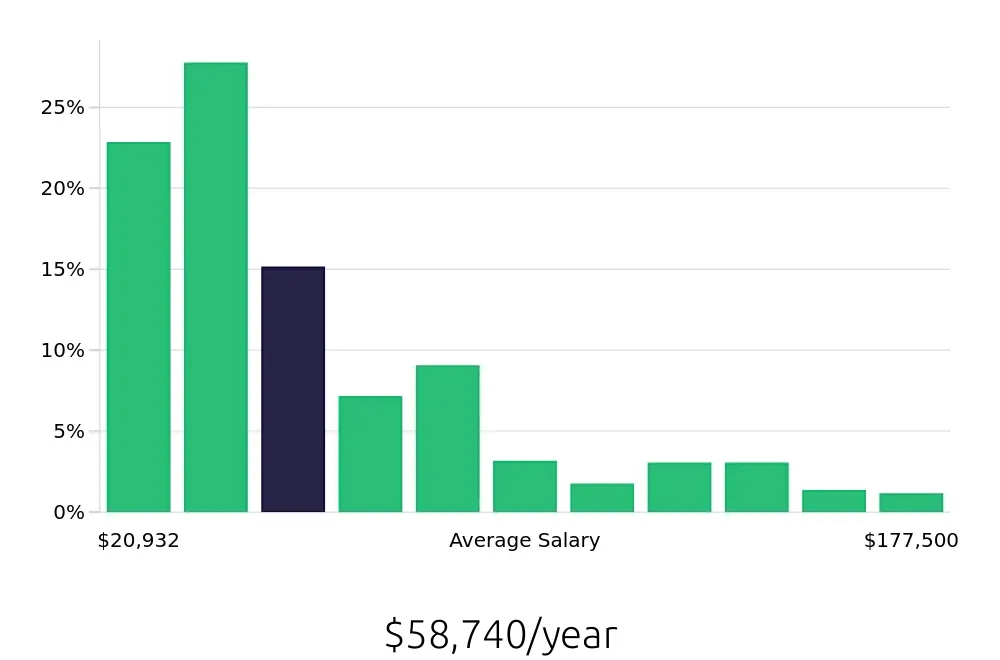
Digital Marketers enjoy a competitive salary, with an average national annual compensation of $83,190, as per BLS data. The average hourly compensation stands at $40. These figures reflect the value companies place on effective digital marketing strategies. Job seekers will find that pursuing a career in digital marketing offers not only job stability but also attractive compensation.
Currently 134 Digital Marketer job openings, nationwide.
Continue to Salaries for Digital Marketer