What does a Direct Support Professional do?
A Direct Support Professional (DSP) plays a crucial role in assisting individuals with disabilities or special needs. DSPs provide hands-on care and support in various settings, such as homes, community facilities, or group homes. Their duties include helping with daily activities, such as personal hygiene, meal preparation, and medication management. DSPs also help individuals develop skills for greater independence and support them in participating in community activities.
DSPs work closely with individuals, understanding their needs and preferences. They create personalized support plans that promote the individual's quality of life. DSPs also communicate with family members, caregivers, and other healthcare providers to ensure a coordinated approach to care. This position requires empathy, patience, and strong communication skills. DSPs must be able to handle challenging situations with care and respect, always prioritizing the well-being of those they support.
How to become a Direct Support Professional?
Becoming a Direct Support Professional (DSP) can open many doors in the healthcare and social services fields. This role focuses on helping people with disabilities, elderly individuals, and others who need support in daily activities. The journey to becoming a DSP includes a clear process. By following these steps, professionals can position themselves for a rewarding career.
Start by researching what it takes to become a DSP. Understanding the role and responsibilities helps set a solid foundation. Next, check local requirements. Each state or agency may have different rules, such as minimum age, background checks, and specific training programs. After gathering this information, enroll in a DSP training program. These programs cover essential skills and knowledge needed for the job. They also often include hands-on experience, which is crucial for developing practical skills.
- Research the Role: Learn about the responsibilities of a DSP. This includes understanding the daily tasks and the impact of the work.
- Check Local Requirements: Review the specific rules and qualifications needed in your area or for the agency you wish to work with.
- Enroll in a Training Program: Sign up for a DSP training program. These programs provide the necessary skills and knowledge.
- Complete the Training: Participate fully in the training. Take advantage of all learning opportunities, including practical experience.
- Apply for Jobs: Once training is complete, start applying for DSP positions. Use the skills and knowledge gained during training to impress potential employers.
How long does it take to become a Direct Support Professional?
The journey to becoming a Direct Support Professional (DSP) involves a mix of education, training, and hands-on experience. Typically, completing a DSP training program takes about one to three months. These programs often include both classroom instruction and practical, on-the-job training. A common path includes enrolling in a state-approved training program. This training covers essential skills and knowledge needed to support individuals with disabilities effectively.
After completing the training, new DSPs often need to pass a competency evaluation. This test ensures they have the necessary skills to perform their duties safely and effectively. Some states may also require DSPs to obtain certification, which can involve additional training and testing. With the right preparation and dedication, individuals can quickly transition from a job seeker to a valued member of the DSP team. This career path provides rewarding opportunities to make a positive impact on the lives of others while building a stable and fulfilling career.
Direct Support Professional Job Description Sample
A Direct Support Professional (DSP) plays a crucial role in providing essential care, support, and assistance to individuals with developmental disabilities, ensuring they can lead fulfilling lives within their communities. This role involves building meaningful relationships, facilitating daily activities, and promoting independence and well-being.
Responsibilities:
- Assist individuals with personal care tasks such as bathing, dressing, and grooming.
- Support individuals in developing life skills, including cooking, cleaning, and budgeting.
- Facilitate community integration by accompanying individuals to social, recreational, and educational activities.
- Monitor and report on the health and well-being of individuals, noting any changes or concerns.
- Collaborate with healthcare professionals, family members, and other support staff to develop and implement care plans.
Qualifications
- A high school diploma or equivalent is required; additional education or training in disability support or healthcare is preferred.
- Experience working with individuals with developmental disabilities or other special needs is highly desirable.
- Strong communication and interpersonal skills to effectively interact with individuals, families, and team members.
- Patience, empathy, and a genuine desire to help others improve their quality of life.
- Physical stamina and the ability to assist individuals with mobility and personal care tasks as needed.
Is becoming a Direct Support Professional a good career path?
Working as a Direct Support Professional (DSP) can be a rewarding experience. DSPs help people with disabilities lead independent lives. They assist with daily tasks, offer companionship, and ensure safety. This job can involve many benefits, but it also has its challenges. Understanding these can help someone decide if this path is right for them.
One major advantage of being a DSP is the chance to make a real difference in people's lives. DSPs provide support that helps individuals live more independently. This can bring a sense of fulfillment to many. Additionally, there is often a strong demand for DSPs, which can lead to steady job opportunities. Many DSPs also enjoy flexible work schedules, which can be a plus for those with other commitments. However, this role can be demanding, both physically and emotionally. DSPs must be prepared to handle challenging situations. The job can also be repetitive, with similar tasks performed daily. DSPs should also be aware that the work can be demanding, both physically and emotionally.
Here are some pros and cons to consider:
- Pros:
- Helping others lead independent lives
- High demand for DSPs
- Flexible work schedules
- Opportunities for personal growth
- Cons:
- Physical and emotional demands
- Potential for repetitive tasks
- Variable working hours, including nights and weekends
What is the job outlook for a Direct Support Professional?
The job outlook for Direct Support Professionals (DSPs) presents a promising opportunity for job seekers. According to the Bureau of Labor Statistics (BLS), the demand for DSPs is expected to grow by 21.7% from 2022 to 2032. This growth translates into an average of 684,600 job positions becoming available each year. This increase is driven by the need to support aging populations and individuals with disabilities.
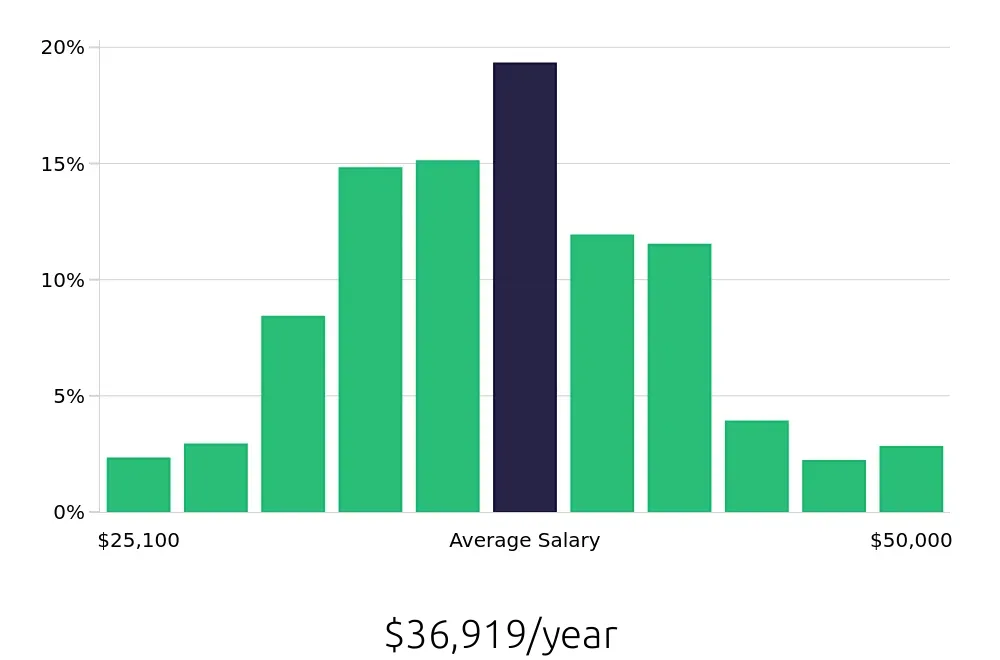
DSPs play a critical role in helping people lead independent lives. They provide essential services like personal care, therapy, and assistance with daily activities. The BLS reports an average annual compensation of $33,380 for DSPs. This compensation reflects the vital nature of their work. Additionally, the average hourly wage stands at $16.05, which is competitive for entry-level positions. This makes the field both rewarding and financially viable for those considering a career in healthcare support.
The growth in job opportunities and the stable compensation make DSP a lucrative career path. This outlook is particularly appealing to job seekers looking for stability and growth. With a growing demand and positive job outlook, becoming a DSP offers a chance to make a meaningful impact while securing a stable career. Those interested in entering this field can find these figures and more on the BLS website.
Currently 7,600 Direct Support Professional job openings, nationwide.
Continue to Salaries for Direct Support Professional