What does a Dispute Resolution Specialist do?
A Dispute Resolution Specialist plays a key role in managing and resolving conflicts. This professional works in various settings, such as legal firms, corporate environments, and government agencies. They focus on finding fair solutions for parties in disagreement. The specialist reviews documents, conducts interviews, and analyzes facts to understand the dispute. They also negotiate and mediate to help parties reach an agreement. This role demands strong communication skills, attention to detail, and a fair approach.
In this role, the specialist may use different methods to resolve disputes. These include arbitration, mediation, and negotiation. Each method has its own process and rules. The specialist ensures all parties understand the options and the implications. They strive to reach an outcome that satisfies everyone involved. The job requires patience, empathy, and a solid understanding of laws and regulations. The specialist must also keep detailed records of all proceedings and outcomes. This ensures transparency and accountability in the resolution process.
How to become a Dispute Resolution Specialist?
Becoming a Dispute Resolution Specialist offers a rewarding career path. It requires a blend of education, skills, and practical experience. This role often involves resolving conflicts for businesses and individuals through negotiation and mediation. Here is a straightforward process to guide someone on this career path.
First, obtaining the right education is key. Most Dispute Resolution Specialists hold at least a bachelor’s degree in a related field. Popular choices include law, business, or communication. Some may choose to pursue a master’s degree for more specialized knowledge. Gaining a solid educational foundation sets the stage for further steps.
Next, developing essential skills is crucial. Communication skills top the list, as they enable effective negotiation. Analytical thinking and problem-solving skills also help in understanding complex disputes. Emotional intelligence allows for better interaction with parties involved. Building these skills can occur through coursework, workshops, and practical experience.
- Education: Obtain a bachelor’s degree in law, business, or communication.
- Skills Development: Focus on communication, analytical, and problem-solving skills.
- Certification: Consider earning certifications from recognized bodies, such as the Association for Conflict Resolution (ACR).
- Experience: Gain practical experience through internships or entry-level positions in related fields.
- Networking: Connect with professionals in the field to learn more about opportunities and best practices.
Obtaining certifications can enhance credibility and career prospects. Professional bodies, like the Association for Conflict Resolution (ACR), offer certifications that are widely recognized. These credentials prove competence and dedication to the field.
Gaining practical experience is another important step. Internships and entry-level positions in law firms, mediation services, or corporate settings provide valuable hands-on experience. Working with experienced professionals offers insights into the daily responsibilities and challenges of the job.
Finally, networking plays a vital role. Connecting with professionals through industry associations, conferences, and online forums can open doors to new opportunities. Building a strong professional network can provide support and advice as someone advances in their career.
How long does it take to become a Dispute Resolution Specialist?
Interested in a career as a Dispute Resolution Specialist? This role is vital in many industries, including law, business, and insurance. It involves resolving conflicts between parties. Many people wonder how long it takes to enter this field. Typically, it requires a mix of education and practical experience.
First, one needs a bachelor's degree. Common majors include law, business administration, or a related field. This usually takes about four years. Some people choose to pursue a master's degree for an advantage. This adds another two years of study. Gaining practical experience is the next step. Many people start with entry-level positions in legal or business offices. This helps build skills and knowledge. Experience in negotiation and mediation can take time. It might take several years to gain the skills needed for a specialist role.
Dispute Resolution Specialist Job Description Sample
The Dispute Resolution Specialist will be responsible for managing and resolving conflicts and disputes between clients and the company. This role requires strong negotiation skills, a thorough understanding of legal frameworks, and the ability to maintain professional relationships.
Responsibilities:
- Investigate and analyze disputes to understand the root cause and implications.
- Facilitate negotiations between parties to reach mutually acceptable resolutions.
- Develop and implement dispute resolution strategies and procedures.
- Provide legal advice and support during the dispute resolution process.
- Prepare and present reports on disputes and resolutions to senior management.
Qualifications
- Bachelor's degree in Law, Business Administration, or a related field.
- Minimum of 3 years of experience in dispute resolution, conflict management, or a similar role.
- Strong knowledge of legal principles and dispute resolution practices.
- Excellent negotiation and communication skills.
- Ability to maintain confidentiality and handle sensitive information with discretion.
Is becoming a Dispute Resolution Specialist a good career path?
A Dispute Resolution Specialist handles conflicts between parties. This role requires strong skills in negotiation and problem-solving. Specialists work in various industries, including business, law, and insurance.
Working in this field offers many benefits. Specialists can earn a good salary. They often enjoy job stability because disputes are a constant part of business. Plus, this role helps people resolve conflicts and find fair solutions. It can be very rewarding. However, there are some challenges to consider. The job can be stressful due to high-stakes situations. Specialists may also need to work long hours, especially during legal proceedings. Managing emotions during disputes can be tough.
Here are some pros and cons to think about:
- Pros:
- Good salary potential
- Job stability
- Rewarding work helping others
- Cons:
- High-stress situations
- Possible long working hours
- Emotional challenges
What is the job outlook for a Dispute Resolution Specialist?
The job market for Dispute Resolution Specialists is showing positive growth, according to the U.S. Bureau of Labor Statistics (BLS). With an average of 2,100 job positions opening each year, this career path offers stability and opportunity. Job seekers can expect a 2.4% increase in openings from 2022 to 2032. This steady demand makes Dispute Resolution Specialists an attractive career choice for those with the right skills.
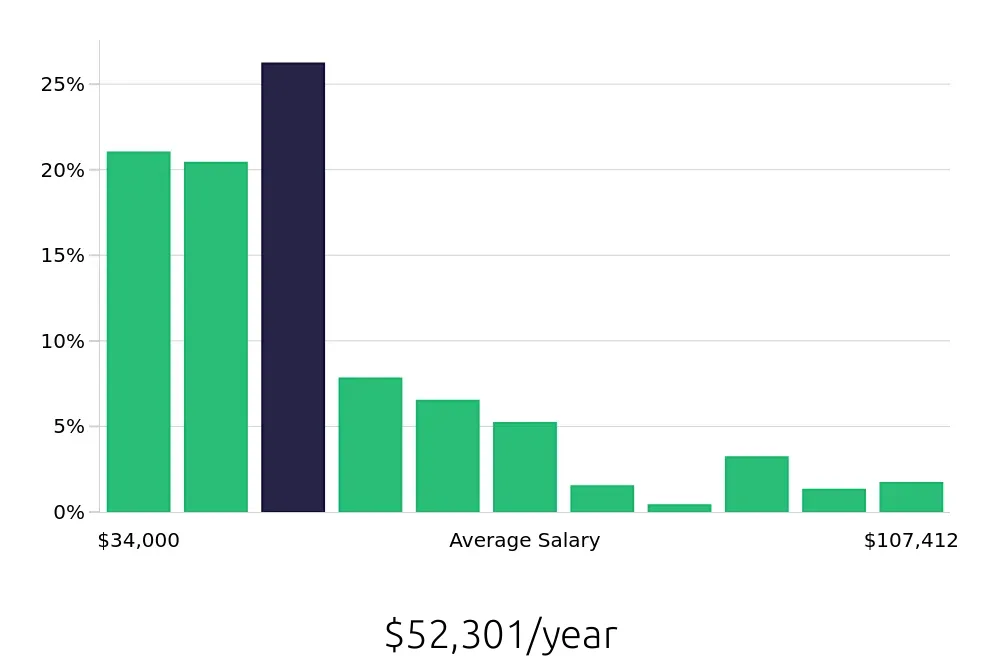
Earning potential for Dispute Resolution Specialists is quite attractive. The BLS reports an average national annual compensation of $126,270. On an hourly basis, professionals in this field can expect to earn around $60.71 per hour. These figures reflect the value placed on expertise in resolving conflicts and the importance of this role in various industries. Job seekers will find competitive salaries and benefits among the reasons to pursue this career.
The Dispute Resolution Specialist role requires a mix of skills, including communication, negotiation, and problem-solving. With the BLS projecting steady job growth, those entering or transitioning into this field can look forward to a promising job outlook. Competitive salaries and a growing demand for skilled professionals make this a worthwhile career path for job seekers.
Currently 66 Dispute Resolution Specialist job openings, nationwide.
Continue to Salaries for Dispute Resolution Specialist