What does a Distribution Handler do?
A Distribution Handler organizes and oversees the movement of goods from the warehouse to various destinations. This role involves managing the logistics of shipments, ensuring that products arrive on time and in perfect condition. Distribution Handlers coordinate with shipping companies, update tracking information, and handle any issues that arise during transport. They work closely with inventory teams to keep track of stock levels and ensure timely replenishments.
They also utilize various software systems to monitor shipments, plan delivery routes, and maintain accurate records. The job requires attention to detail, strong organizational skills, and the ability to work under pressure. Distribution Handlers play a crucial role in ensuring that businesses can meet customer demands efficiently and effectively.
Key responsibilities of a Distribution Handler include:
- Coordinating with warehouse staff to prepare orders for shipment.
- Monitoring delivery schedules and ensuring timely dispatch of goods.
- Keeping detailed records of shipments and resolving any delivery issues.
- Communicating with customers to provide updates on their orders.
How to become a Distribution Handler?
Becoming a Distribution Handler can open doors to a rewarding career in logistics and supply chain management. This role involves managing the distribution of goods from warehouses to stores or customers. It requires attention to detail and a strong understanding of logistics. Following a structured process can help anyone take the right steps to secure this position.
Start by gaining the necessary education and skills. A high school diploma or equivalent is often required. Taking courses in logistics or supply chain management can be beneficial. Many employers also value experience in warehouse operations or customer service. Building a strong resume with relevant skills and experience can make the application process smoother.
- Research job openings. Look for positions on job boards, company websites, and industry-specific sites.
- Apply for jobs. Tailor each application to the specific job description. Highlight relevant skills and experience.
- Prepare for interviews. Practice common interview questions and be ready to discuss your experience in logistics.
- Attend any required training. Employers may offer training programs to prepare new hires for the job.
- Start the job. Once hired, familiarize yourself with the company's procedures and technologies.
How long does it take to become a Distribution Handler?
Embarking on a career as a Distribution Handler can open many doors. This role involves managing packages and goods to ensure they reach their destinations. The timeline to become a Distribution Handler depends on a few factors. Most people start as warehouse workers or entry-level positions. With experience, they can advance to a handler role. Many individuals reach this position within one to two years of starting.
Training is crucial for success in this field. Employers may offer on-the-job training programs. Some companies provide formal training courses. These programs teach essential skills such as operating machinery and handling items safely. Completing a training program often takes a few weeks to a few months. Certifications in forklift operation can also boost job prospects. Many handlers learn through hands-on work. They quickly adapt to their roles by working alongside experienced staff.
Distribution Handler Job Description Sample
We are seeking a skilled and efficient Distribution Handler to manage the logistics and distribution operations within our company. The ideal candidate will have a strong attention to detail and the ability to work in a fast-paced environment to ensure timely and accurate distribution of products.
Responsibilities:
- Supervise and coordinate the distribution and delivery of products to various destinations.
- Ensure the accuracy and quality of shipments by checking product details and quantities.
- Collaborate with the warehouse team to manage inventory levels and stock availability.
- Schedule and coordinate delivery routes to optimize time and efficiency.
- Monitor and report on delivery progress, addressing any issues or delays promptly.
Qualifications
- High school diploma or equivalent required; additional education in logistics or supply chain management preferred.
- Proven experience as a Distribution Handler or similar role in a logistics environment.
- Strong knowledge of logistics, transportation, and distribution processes.
- Excellent organizational skills and attention to detail.
- Ability to operate forklifts and other warehouse equipment, as required.
Is becoming a Distribution Handler a good career path?
A career as a Distribution Handler involves managing the logistics of product movement from producers to consumers. This role is vital in the supply chain, ensuring goods reach their destinations on time. Distribution Handlers coordinate shipments, handle inventory, and maintain records. It is a hands-on job that often takes place in warehouses or distribution centers.
Working as a Distribution Handler offers many opportunities. It is a job that requires physical activity, which can be great for those who enjoy movement. Handling products also means working with a team, making it a collaborative environment. Many companies offer training and advancement opportunities, allowing handlers to move into management or specialized roles. The role is essential for businesses, so job security tends to be high.
However, there are some challenges to consider. The work can be physically demanding and repetitive. Long hours, including nights and weekends, are common. Some handlers may face exposure to harsh weather conditions if working outdoors. Here are more pros and cons to help decide if this career is right for you:
- Pros:
- Physical activity keeps the job interesting.
- Teamwork is a big part of the job, fostering camaraderie.
- Opportunities for training and career growth.
- High demand for distribution workers often means good job security.
- Cons:
- The job can be physically demanding and repetitive.
- Long hours, including nights and weekends, are common.
- Outdoor handlers may face harsh weather conditions.
- Risk of injury from handling heavy items.
What is the job outlook for a Distribution Handler?
Job seekers interested in becoming a Distribution Handler can look forward to a stable employment outlook. The Bureau of Labor Statistics (BLS) shows that, on average, 34,400 job positions open each year. While the job openings percent change from 2022 to 2032 is expected to decrease by 7.7%, the field remains vital to logistics and supply chain management. This indicates that opportunities will continue, though they may require adaptability and a focus on specialized skills.
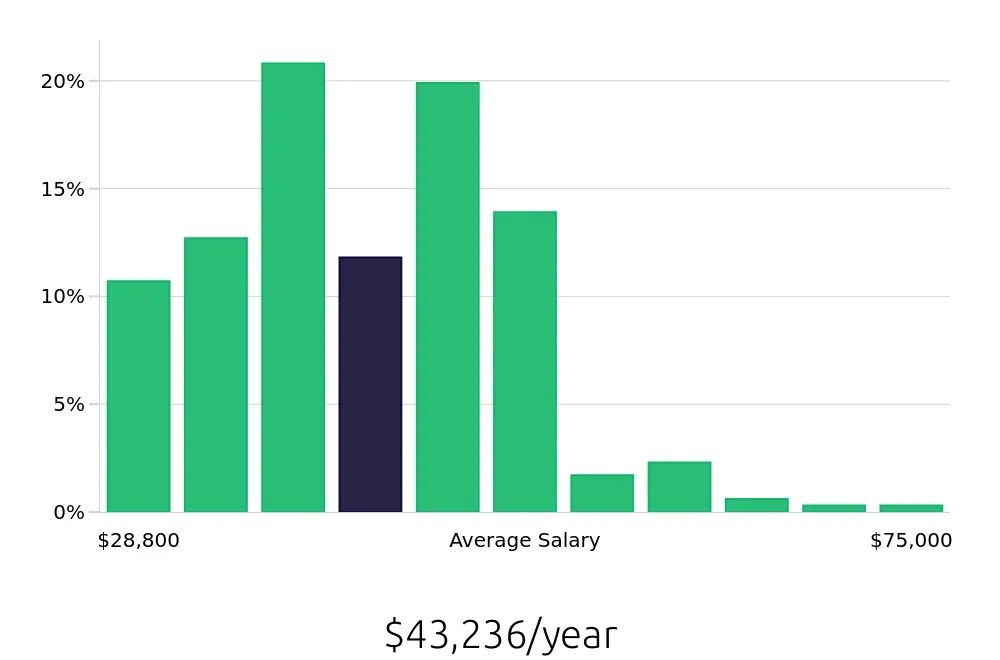
The average national annual compensation for Distribution Handlers stands at $58,660, with hourly compensation averaging $28.2. These figures present a competitive salary, reflecting the importance of the role in ensuring the smooth operation of distribution centers. The compensation aligns with the responsibilities of managing and coordinating the movement of goods, which are critical to business operations. This remuneration provides a stable income, making the role attractive to those seeking reliable employment.
For those seeking a career in distribution, the job outlook remains positive despite slight declines. The role involves crucial tasks that support various industries, ensuring goods reach their destinations efficiently. While changes in job openings suggest the need for adaptability, the consistent demand for distribution services ensures a steady flow of job opportunities. This sector offers a rewarding career path for individuals who enjoy working in a dynamic and essential industry.
Currently 38 Distribution Handler job openings, nationwide.
Continue to Salaries for Distribution Handler