What does a Dock Loader do?
A Dock Loader operates within warehouses, distribution centers, and shipping facilities. They handle the movement of goods between trucks and storage areas. Dock Loaders ensure that products arrive and leave on time. They also play a key role in maintaining a smooth workflow.
The job involves loading and unloading trucks. They use forklifts and pallet jacks. Safety is a top priority. Dock Loaders must follow all safety rules. They also need to keep the work area clean and organized. This position requires physical stamina. It also demands attention to detail. Good communication skills are essential for coordinating with other team members.
How to become a Dock Loader?
Becoming a Dock Loader is a great career choice for those seeking a role in logistics and transportation. This job involves loading and unloading cargo from ships, planes, or trucks. The process is straightforward and can lead to a rewarding career. Follow these steps to start your journey as a Dock Loader.
To become a Dock Loader, begin by obtaining the necessary education and training. High school education is usually the minimum requirement. Additional training in warehouse operations or logistics can be beneficial. This training can often be found at community colleges or vocational schools. Completing a short-term certification program can also improve job prospects. Look for programs that offer hands-on experience.
- Obtain Education and Training
- Gain Experience
- Apply for Jobs
- Prepare for Interviews
- Start Your Career
Gaining experience is crucial for becoming a Dock Loader. Many employers prefer candidates with some experience in logistics or warehouse work. Start by applying for entry-level positions in related fields. This will help you understand the daily tasks and responsibilities of a Dock Loader. Look for positions that offer training and mentorship opportunities.
When ready, apply for Dock Loader positions. Check job boards, company websites, and staffing agencies for openings. Tailor your resume and cover letter to highlight relevant skills and experience. Use keywords from the job description to improve your chances of getting noticed. Networking with professionals in the industry can also lead to job opportunities.
Prepare for interviews by researching common questions and practicing your answers. Be ready to discuss your experience and how it relates to the job. Show your willingness to learn and work hard. Demonstrating a positive attitude and strong work ethic can set you apart from other candidates.
Finally, start your career as a Dock Loader with enthusiasm and dedication. Continue to learn and improve your skills. Seek feedback from supervisors and colleagues. Aim for advancement opportunities within the company. A successful career as a Dock Loader can lead to higher positions and greater responsibilities.
How long does it take to become a Dock Loader?
Starting a career as a Dock Loader offers a promising path into the logistics and transportation industry. Most individuals complete the necessary training in a few weeks to a couple of months. Some programs provide quick certifications, often within a week, while others might extend to about two months for comprehensive training. This time frame includes both classroom instruction and hands-on experience.
Upon completing training, new Dock Loaders can begin their jobs immediately. Some start with entry-level positions and gain experience before advancing. Many employers value hands-on experience highly, so gaining practical skills quickly helps in career growth. Experienced workers often find opportunities for advancement within a year or two, moving into supervisory or specialized roles. This swift transition highlights the importance of acquiring and refining essential skills early in the career.
Dock Loader Job Description Sample
A Dock Loader is responsible for the safe and efficient loading and unloading of goods from trucks and vessels onto docks or warehouses. This role involves handling a variety of cargo, operating loading equipment, and ensuring adherence to safety and operational protocols.
Responsibilities:
- Operate loading equipment such as forklifts, pallet jacks, and cranes to move and stack cargo.
- Load and unload goods from trucks and vessels, ensuring proper handling to prevent damage.
- Inspect cargo for damage or discrepancies and report any issues to the supervisor.
- Coordinate with warehouse and transportation staff to ensure smooth flow of materials.
- Maintain a clean and organized work area, ensuring all equipment is properly stored and maintained.
Qualifications
- High school diploma or equivalent required; additional vocational training in material handling preferred.
- Previous experience as a Dock Loader or similar role is advantageous.
- Valid forklift or pallet jack operator’s license required.
- Strong physical stamina and ability to lift heavy weights and work in various weather conditions.
- Good attention to detail and ability to follow safety protocols and procedures.
Is becoming a Dock Loader a good career path?
Working as a dock loader involves handling cargo on ships or in warehouses. This role is key in logistics and transportation. It often involves physical labor, requiring strength and attention to detail. Job duties may include unloading and loading goods, securing cargo, and operating machinery.
Being a dock loader offers several benefits and challenges. Consider these before pursuing this career path. Here are some pros and cons.
- Pros:
- Job stability: Demand for dock loaders remains steady due to the constant need for logistics services.
- Good earning potential: Experienced dock loaders can earn competitive wages.
- Skill development: The job often provides training in operating machinery and handling heavy materials.
- Cons:
- Physical demands: The job involves heavy lifting and standing for long hours, which can be tiring.
- Potential for injury: The role can involve risks from handling heavy objects and operating machinery.
- Limited career progression: Advancement opportunities may be limited without additional training or education.
What is the job outlook for a Dock Loader?
Job seekers looking to enter the logistics and transportation sector may find opportunities in the role of a Dock Loader promising. The Bureau of Labor Statistics (BLS) indicates an average of 1,600 job positions available each year. This steady flow of opportunities provides a solid foundation for those interested in this career path.
The job outlook for Dock Loaders is encouraging, with a projected percent change in job openings from 2022 to 2032 at 1.6%. This slight increase suggests that the demand for skilled Dock Loaders remains stable, offering a reliable career choice for those in the field. A stable job market is essential for job security and long-term career planning.
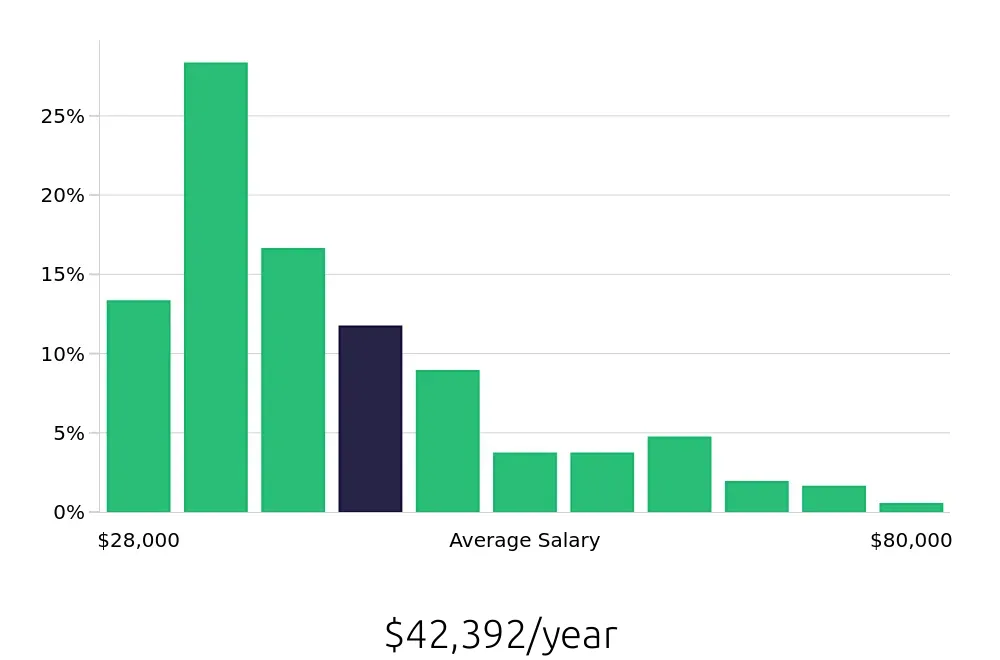
Dock Loaders can also anticipate competitive compensation. The BLS reports an average national annual salary of $60,530 and an hourly rate of $29.10. These figures reflect the value employers place on the skills and responsibilities associated with Dock Loading. Prospective job seekers can expect a rewarding career with the potential for growth and financial stability.
Currently 74 Dock Loader job openings, nationwide.
Continue to Salaries for Dock Loader