What does a Domestic Violence Advocate do?
A Domestic Violence Advocate works to support and empower individuals who have experienced domestic violence. This role involves providing emotional support, safety planning, and legal assistance. Advocates help clients understand their rights and options. They work closely with law enforcement, shelters, and social services. Advocates also offer resources to help victims rebuild their lives.
Duties of a Domestic Violence Advocate include conducting safety assessments and helping clients develop safety plans. They may assist with obtaining restraining orders and navigating the legal system. Advocates often provide counseling and referrals to other services. They educate communities about domestic violence and work to prevent it. This role requires strong communication skills and empathy. Advocates must be knowledgeable about local resources and laws. They play a crucial part in supporting survivors and advocating for change.
How to become a Domestic Violence Advocate?
Becoming a Domestic Violence Advocate means stepping into a role dedicated to supporting victims of domestic violence. This career requires compassion, dedication, and specific qualifications. Advocates work with individuals and families to provide essential services and help those affected by domestic violence find safety and support.
The journey to becoming a Domestic Violence Advocate involves several key steps. These steps ensure that advocates have the necessary skills and knowledge to provide effective support. Following these steps can lead to a rewarding career in a field that makes a significant impact.
- Get an Education: Most advocates hold at least a bachelor’s degree in social work, psychology, or a related field. This education provides a strong foundation in understanding human behavior and social issues.
- Gain Experience: Working in related fields can help. Experience with counseling, social services, or law enforcement can be valuable. Volunteering with organizations that support victims can also build relevant experience.
- Complete Training: Many advocates complete specialized training in domestic violence. This training covers topics like crisis intervention, safety planning, and legal rights of victims.
- Obtain Certification: Some states and employers require certification. The National Domestic Violence Hotline offers a certification program. This program teaches advocates best practices and ethical standards.
- Apply for Positions: With education, experience, and training, the next step is to apply for positions. Look for openings at shelters, non-profits, and government agencies. A strong resume and cover letter can help stand out in the application process.
How long does it take to become a Domestic Violence Advocate?
Understanding the journey to becoming a Domestic Violence Advocate can inspire those interested in this critical field. Typically, it takes varying lengths of time depending on the path chosen and the level of education or training pursued. A high school diploma or GED serves as a starting point, allowing one to enter into a paid entry-level role. Those who wish to climb the career ladder may pursue a bachelor's degree in social work or a related field, extending the timeline to around four years. Completing a certification program can also speed up the process, often taking between one to two years to finish.
A bachelor's degree opens up more opportunities, including supervisory roles or specialized advocacy positions. Some advocates choose to gain additional certifications in areas like counseling or legal advocacy, which can take a few months to a year. Each step on this journey requires dedication and hard work. It is important to consider the specific requirements of the job market in the area of interest. By taking these steps, individuals can build a rewarding career helping those affected by domestic violence.
Domestic Violence Advocate Job Description Sample
A Domestic Violence Advocate provides support, advocacy, and resources to survivors of domestic violence, helping them to navigate the challenges they face and promoting their safety and well-being.
Responsibilities:
- Provide confidential, compassionate support to domestic violence survivors, including crisis intervention and safety planning.
- Assist survivors in accessing legal, medical, and social services, and connecting them with community resources.
- Advocate for survivors' rights and needs, representing them in legal and other settings as necessary.
- Develop and maintain relationships with community organizations, law enforcement, and other stakeholders to support survivors.
- Provide education and outreach to raise awareness about domestic violence and available resources.
Qualifications
- Bachelor's degree in Social Work, Psychology, Criminal Justice, or a related field. A Master's degree is preferred.
- Experience working with survivors of domestic violence, preferably in a professional capacity.
- Strong understanding of domestic violence dynamics, trauma, and its impact on individuals and families.
- Excellent communication, interpersonal, and advocacy skills.
- Ability to maintain confidentiality and handle sensitive information with discretion.
Is becoming a Domestic Violence Advocate a good career path?
Working as a Domestic Violence Advocate offers a meaningful career path for those passionate about helping others. Advocates work with victims of domestic violence to provide support, safety plans, and resources. They often collaborate with law enforcement, social services, and other organizations. This role helps individuals regain control of their lives and ensures their safety.
Choosing this path has its pros and cons. Advocates make a real difference in people's lives, offering crucial support to those in need. The work can be emotionally rewarding, providing a sense of fulfillment. Advocates often have flexible schedules and may work part-time or full-time. They also have opportunities to learn and grow in the field.
However, the job comes with challenges. Advocates face emotional stress from hearing about victims' experiences. This can lead to burnout if not managed properly. The work often involves long hours and can be unpredictable. Advocates must remain calm and focused, even in difficult situations.
- Pros:
- Helping others and making a difference
- Flexible work hours and schedule options
- Opportunities for professional growth
- Collaborating with various organizations
- Cons:
- Emotional stress and potential for burnout
- Long and unpredictable hours
- Exposure to traumatic experiences
- Need for constant vigilance and empathy
What is the job outlook for a Domestic Violence Advocate?
The role of a Domestic Violence Advocate is not only impactful but also increasingly in demand. The U.S. Bureau of Labor Statistics (BLS) reports an average of 89,200 job positions each year for this occupation. This reflects a steady need for compassionate and skilled professionals ready to support victims of domestic violence. The field expects a job openings percent change of 11.9% from 2022 to 2032, signaling a positive job outlook for those entering this career.
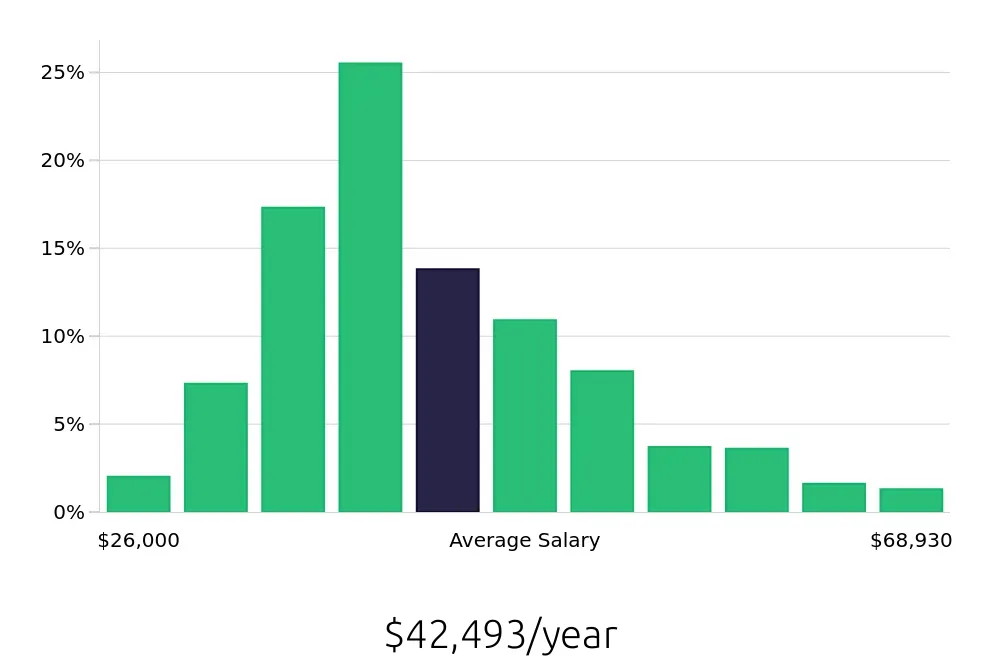
Professionals in this field can expect a rewarding career with an average national annual compensation of $61,790, according to BLS data. This figure represents the dedication and commitment required in the role, as well as the critical nature of the work being performed. Advocates earn an average of $29.71 per hour, offering a stable and respectable income. These figures make this career an attractive option for those looking to make a significant difference in their community while maintaining financial stability.
The BLS data shows that the demand for Domestic Violence Advocates is growing, and job seekers interested in this career can look forward to a promising future. With an increasing number of positions available each year and a positive job outlook, this field offers stability and growth. Job seekers with a passion for helping others and a desire for a meaningful career will find this profession fulfilling and rewarding.
Currently 88 Domestic Violence Advocate job openings, nationwide.
Continue to Salaries for Domestic Violence Advocate