What does a Donor Center Technician do?
A Donor Center Technician plays a crucial role in the healthcare system. This role involves working directly with donors and ensuring their safety and comfort during the donation process. The technician checks donors' vital signs and performs necessary screenings to make sure they are eligible to donate.
In addition to screening, the Donor Center Technician collects blood or other biological materials. They use specialized equipment and follow strict protocols to ensure everything is done safely and correctly. After collection, the technician labels and processes the samples for testing and storage. They also clean and sterilize equipment, maintaining a clean and safe environment for all donors.
How to become a Donor Center Technician?
Becoming a Donor Center Technician can open up a rewarding career in healthcare. This role involves working with patients and handling sensitive medical tasks. Follow these steps to start your journey as a Donor Center Technician.
The process to become a Donor Center Technician begins with obtaining the right education. Most positions require at least a high school diploma or equivalent. After that, completing a training program or certificate in phlebotomy is important. This training will teach the skills needed to draw blood safely and effectively. Many community colleges and vocational schools offer these programs.
- Get the right education.
- Complete a training program.
- Obtain certification.
- Gain experience.
- Apply for jobs.
After completing the training, the next step is to obtain certification. Certification demonstrates knowledge and skills in phlebotomy. Most states require a license or certification to work as a Donor Center Technician. This often involves passing an exam.
Gaining experience is crucial for becoming a successful Donor Center Technician. Look for internships or entry-level jobs at hospitals, clinics, or blood donation centers. This hands-on experience will build confidence and skills. Once enough experience is gained, start applying for Donor Center Technician positions. Include the education, certification, and experience in job applications.
How long does it take to become a Donor Center Technician?
To start a career as a Donor Center Technician, one must first complete a training program. These programs often take about one to two years. Some include on-the-job training, while others are formal education paths. Most require a high school diploma or equivalent. Some centers may prefer candidates with a background in health care.
After training, new technicians typically start as entry-level workers. They gain experience in donor screening, blood collection, and equipment maintenance. Many learn through hands-on practice under the supervision of experienced staff. This period can vary in length, but it usually takes a year or more to feel fully confident in the role. Some may choose to continue education to advance their skills or specialize in certain areas of blood donation.
Donor Center Technician Job Description Sample
A Donor Center Technician is responsible for greeting donors, conducting health screenings, and collecting blood or plasma donations in a professional and compassionate manner. This role requires a strong attention to detail, excellent customer service skills, and the ability to work in a fast-paced environment.
Responsibilities:
- Greet and register donors, ensuring a welcoming and comfortable environment.
- Conduct health screenings to determine donor eligibility, including reviewing medical history and performing vital sign checks.
- Collect blood or plasma donations using sterile techniques and ensuring proper labeling and documentation.
- Provide post-donation care and address any donor concerns or complications.
- Maintain a clean and organized donor center, ensuring all equipment and supplies are properly sanitized and stocked.
Qualifications
- High school diploma or equivalent required; additional education or training in a related field is a plus.
- Previous experience in a medical or customer service setting is preferred.
- Knowledge of blood donation processes and donor care protocols.
- Strong interpersonal and communication skills.
- Ability to work in a fast-paced and sometimes stressful environment.
Is becoming a Donor Center Technician a good career path?
A Donor Center Technician works in a critical role within healthcare, focusing on the collection and processing of blood and other biological materials. This position offers both rewarding opportunities and unique challenges. These professionals ensure the safety and quality of donations, playing a crucial part in saving lives. The role often includes interactions with patients and medical staff, providing a dynamic and impactful work environment.
The responsibilities of a Donor Center Technician include preparing donors for blood donation, collecting blood samples, and handling medical equipment. They must adhere to strict protocols to maintain a sterile environment and ensure donor safety. This role demands attention to detail, strong interpersonal skills, and the ability to work under pressure. Understanding the demands and benefits of this career can help individuals decide if it is the right fit for them.
Working as a Donor Center Technician has several advantages. Below are some benefits to consider:
- Helping others: Technicians directly contribute to healthcare by facilitating blood donations, which can save lives.
- Stable employment: The need for blood donations is constant, ensuring job security.
- Skill development: The role offers opportunities to learn about medical procedures and patient care.
- Work environment: This position provides a structured and often supportive workplace.
However, this career also has some challenges to think about:
- Emotional stress: Interacting with donors, especially those who may be nervous, can be emotionally taxing.
- Exposure to blood: Technicians work with blood products, which can be a concern for some individuals.
- Shift work: The role may require working evenings, weekends, and holidays to meet donation needs.
- Physical demands: The job can involve standing for long periods and handling medical equipment.
What is the job outlook for a Donor Center Technician?
Job seekers looking for a stable and rewarding career will find the role of a Donor Center Technician to be quite promising. On average, 9,900 job positions become available each year, according to the Bureau of Labor Statistics (BLS). This number reflects a steady demand for professionals in this field. The BLS also projects a 5.2% growth in job openings from 2022 to 2032, indicating a positive trend for those entering this profession. This growth offers optimism for job seekers who are considering a career as a Donor Center Technician.
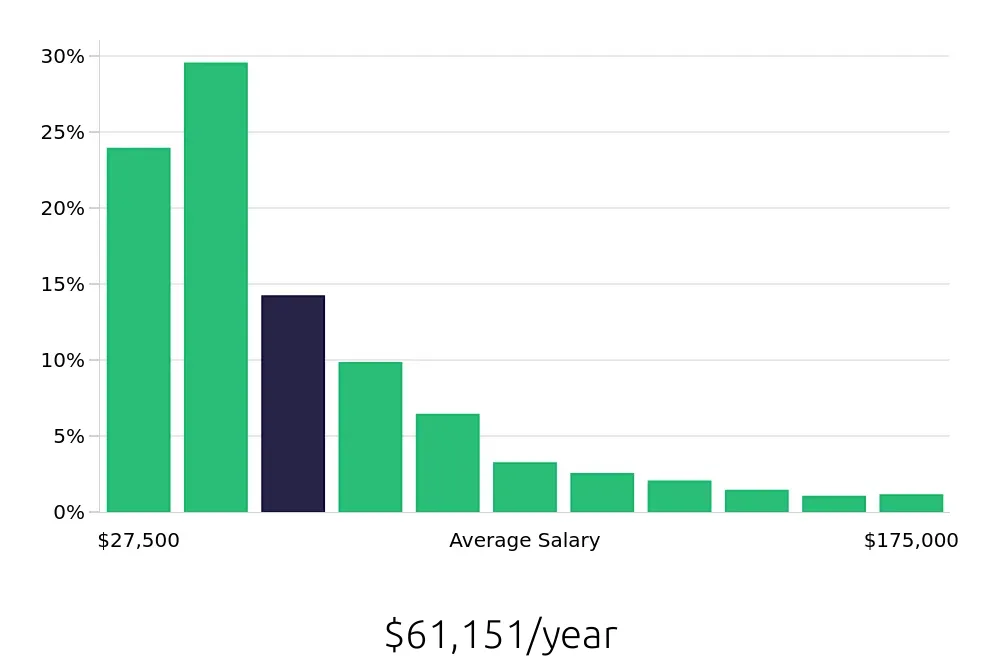
The financial rewards of this career path are also quite attractive. The average annual compensation for a Donor Center Technician stands at $70,760, as reported by the BLS. This figure showcases the potential for a stable and comfortable income. Additionally, the average hourly compensation is $34.02. These figures highlight the value of the role and its potential to provide a fulfilling livelihood. Job seekers can look forward to both job stability and a competitive salary in this field.
Pursuing a career as a Donor Center Technician also means joining a field with clear career advancement opportunities. With the right qualifications and experience, professionals can expect to see growth and development within their roles. This potential for advancement, combined with the positive job outlook and attractive compensation, makes this career an appealing choice for many job seekers. For those considering this path, the future looks bright and full of opportunities.
Currently 781 Donor Center Technician job openings, nationwide.
Continue to Salaries for Donor Center Technician