What does a Drone Pilot do?
A Drone Pilot operates unmanned aerial vehicles (UAVs) to capture high-quality images and data. They manage the flight and safety of the drones while ensuring compliance with regulations. A Drone Pilot's main duties include planning flight paths, conducting pre-flight checks, and monitoring real-time data. They also capture images and videos for various uses, such as aerial photography, surveying, and inspection.
In this role, a Drone Pilot needs to be detail-oriented and have strong problem-solving skills. They must understand the technical aspects of drone operation and be able to handle unexpected situations. Communication skills are important, as the Pilot often works in a team with other professionals. This position offers opportunities to work in diverse environments, from construction sites to nature reserves. A Drone Pilot uses technology to enhance projects and gather valuable data efficiently.
How to become a Drone Pilot?
Becoming a drone pilot can be an exciting career path. It requires dedication, proper training, and the right certifications. Follow these steps to start your journey as a professional drone pilot.
Begin by researching the role of a drone pilot. Understand the duties, responsibilities, and the industries that use drones. This knowledge helps in identifying the type of drone piloting that interests you the most. Drones are used in agriculture, construction, photography, and many other fields. Knowing where you want to specialize can guide your training and experience.
- Get a Drone License: The Federal Aviation Administration (FAA) requires all drone pilots to have a Remote Pilot Certificate. To obtain this certificate, one must pass an FAA aeronautical knowledge test. This test covers airspace rules, safety guidelines, and drone operation principles.
- Complete Training: Enroll in a drone training program. Many community colleges, universities, and private institutions offer courses. These programs provide hands-on experience with drones and classroom instruction on aviation laws and safety practices.
- Gain Experience: Start by working under a certified drone pilot. Practical experience is essential. It helps in learning how to operate drones in various environments and conditions. Seek internships or entry-level positions to build your skills and resume.
- Network: Join professional organizations and attend industry events. Networking can open doors to job opportunities and collaborations. Organizations like the Association for Unmanned Vehicle Systems International (AUVSI) offer resources and connections.
- Stay Updated: The drone industry evolves quickly. Keep up with new technologies, regulations, and best practices. Continuous learning ensures you stay competitive and informed.
How long does it take to become a Drone Pilot?
Getting started as a drone pilot can take some time, but the journey is worth it. On average, it takes about six months to a year to become a certified drone pilot. This time includes learning the necessary skills, passing exams, and gaining the required experience.
To start, someone interested in becoming a drone pilot should complete a training course. These courses cover important topics like drone operation, safety rules, and navigation. Most courses last between 30 to 60 hours. After completing the course, a test follows to get the drone pilot’s license. Passing this test adds another step toward working as a drone pilot. Some people also choose to work with a company for a few months to gain more hands-on experience. This extra step can help make a person a better pilot and a more attractive candidate for jobs.
Drone Pilot Job Description Sample
We are seeking a skilled and certified Drone Pilot to join our team. The ideal candidate will be responsible for operating drones to capture aerial footage, conduct inspections, and perform various other tasks. The Drone Pilot will ensure compliance with all relevant aviation laws and regulations.
Responsibilities:
- Operate drones to capture high-quality aerial footage for various purposes, including marketing, inspections, and surveillance.
- Conduct regular inspections of properties, infrastructure, and other designated areas.
- Ensure all drone operations are conducted safely and in compliance with local, state, and federal regulations.
- Maintain and troubleshoot drone equipment to ensure optimal performance.
- Collaborate with the creative team to ensure the captured footage meets the desired quality and specifications.
Qualifications
- Valid drone pilot license (Part 107 certification preferred).
- Proven experience as a Drone Pilot or similar role.
- Strong knowledge of drone operation, maintenance, and repair.
- Ability to work in various weather conditions and environments.
- Excellent problem-solving skills and attention to detail.
Is becoming a Drone Pilot a good career path?
Working as a drone pilot presents unique opportunities in the modern job market. This role combines technology with practical applications, making it an attractive option for many professionals. Companies use drones for various tasks, from inspecting infrastructure to capturing aerial photography. This use of drones continues to grow, expanding the demand for skilled pilots. Success in this field requires both technical skills and a keen eye for detail.
Choosing to work as a drone pilot comes with its own set of advantages and challenges. Pilots enjoy the flexibility of working in diverse environments. They can find jobs in construction, agriculture, film production, and even environmental conservation. The job offers a chance to be at the forefront of technological advancements. However, it also comes with risks. Pilots must deal with the possibility of equipment failure or regulatory changes. They need to stay updated on laws and safety standards, which can be a demanding aspect of the job.
Professionals considering this career should weigh both pros and cons. Here are some key points to think about:
- Pros:
- Variety of job opportunities across different industries.
- Opportunities to work in diverse and interesting locations.
- Potential for high earnings in specialized roles.
- Cons:
- Exposure to risks like equipment malfunction and accidents.
- The need to stay current with evolving technology and regulations.
- Possible limitations due to weather conditions or geographical constraints.
What is the job outlook for a Drone Pilot?
Drone pilots enjoy a promising job outlook due to the increasing demand across various sectors. The Bureau of Labor Statistics (BLS) reports that there are approximately 37,800 job positions available annually. This figure reflects a steady growth potential in this field. Job seekers can expect a consistent number of opportunities each year, making it a reliable career choice.
Furthermore, the job outlook for drone pilots is positive, with a projected percent change of 1.8% from 2022 to 2032, as indicated by the BLS. This modest growth suggests a stable and growing demand for drone pilots in the coming years. Job seekers can look forward to a career with good prospects and opportunities for advancement in various industries, including agriculture, real estate, and public safety.
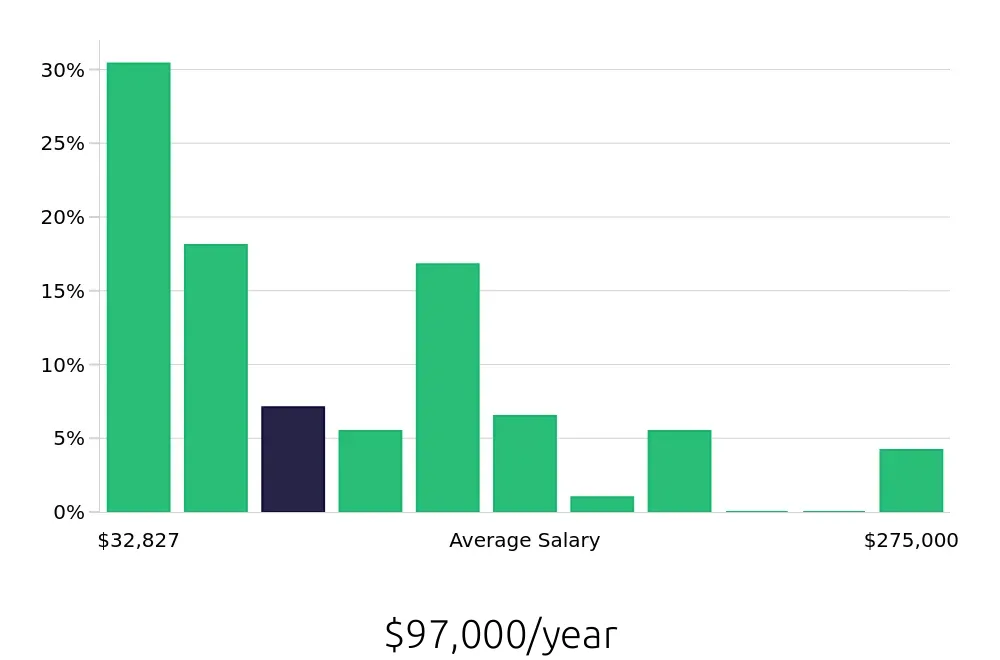
Drone pilots also benefit from competitive compensation. The average national annual salary stands at $70,080, with an hourly rate of $33.69. These figures provide a solid financial incentive for those entering this field. Job seekers can anticipate a rewarding career with both financial stability and growth potential.
Currently 27 Drone Pilot job openings, nationwide.
Continue to Salaries for Drone Pilot