What does a Education Director do?
An Education Director leads and manages educational programs and services. This role involves creating and implementing curriculum standards, overseeing school staff, and ensuring that educational goals are met. The Education Director works closely with teachers, administrators, and other school leaders to foster a positive learning environment.
Responsibilities include coordinating teacher training, evaluating educational programs, and managing budgets. This position requires excellent communication skills, strong leadership abilities, and a deep understanding of educational policies. The Education Director ensures that the school meets all regulatory requirements and provides high-quality education to students. A successful Education Director also engages with parents and the community to support student success.
How to become a Education Director?
Becoming an Education Director is a rewarding career path for those who want to shape the future of education. Achieving this role requires dedication, the right qualifications, and a clear plan. Follow these steps to guide you through the process.
The journey to becoming an Education Director starts with earning the necessary education. A bachelor’s degree in education or a related field is the first step. This degree provides the foundational knowledge needed for educational leadership. After earning a bachelor’s degree, gaining teaching experience is crucial. Most education directors have several years of teaching experience. This experience helps understand classroom challenges and school operations.
Experienced teachers can pursue a master’s degree in education administration or a related field. This advanced degree prepares candidates for leadership roles. Gaining additional certifications can also improve job prospects. Many states require education directors to have a teaching license and an administrative certification. Networking with other education professionals helps build connections and learn about job openings. Finally, apply for education director positions in schools or districts. Tailor each application to highlight relevant experience and qualifications.
Here are the steps to become an Education Director:
- Earn a bachelor’s degree in education or a related field.
- Gain several years of teaching experience.
- Pursue a master’s degree in education administration.
- Obtain necessary certifications and licenses.
- Network with education professionals and apply for director positions.
How long does it take to become a Education Director?
The journey to becoming an Education Director involves several steps. First, it starts with gaining a bachelor's degree in education or a related field. This typically takes about four years. During these years, the focus is on developing foundational knowledge in teaching and education theories.
After completing the bachelor's degree, the next step often includes obtaining a master’s degree in educational leadership or administration. This usually requires an additional two years of study. These advanced degrees provide the skills needed for leadership roles, such as managing school programs and overseeing educational staff.
Career advancement may also require working in teaching or administrative roles for several years. Gaining experience in these areas is crucial for understanding the practical aspects of school management. Many education directors start as teachers or assistant principals and work their way up through the ranks. This experience can take five to ten years, depending on the individual’s career path and opportunities for advancement.
Education Director Job Description Sample
The Education Director is responsible for overseeing all educational programs and initiatives within an educational institution. This role involves strategic planning, program development, staff management, and ensuring the alignment of educational offerings with institutional goals.
Responsibilities:
- Develop and implement strategic educational plans and initiatives.
- Oversee the design, implementation, and evaluation of educational programs.
- Manage and mentor educational staff, including hiring, training, and performance evaluations.
- Ensure all educational programs meet accreditation standards and institutional objectives.
- Collaborate with faculty and staff to enhance teaching and learning practices.
Qualifications
- A Master's or Doctorate degree in Education, Educational Leadership, or a related field.
- A minimum of 5 years of experience in an educational leadership role.
- Proven track record of managing educational programs and staff.
- Strong understanding of educational standards and accreditation processes.
- Excellent leadership, communication, and interpersonal skills.
Is becoming a Education Director a good career path?
Working as an Education Director involves shaping the future of learning. This role focuses on overseeing educational programs, managing staff, and improving student outcomes. It demands strong leadership and communication skills. Directors often work in schools, colleges, or government agencies.
The job has its benefits and challenges. Understanding these can help someone decide if it fits their career goals. A director helps create better learning environments and influences many students’ lives. They also have the chance to shape educational policies. Yet, the role can be stressful due to tight budgets and high expectations. It requires long hours and constant problem-solving.
- Pros:
- Influential role in shaping education
- Opportunity to improve student outcomes
- Chance to develop and mentor staff
- Cons:
- High stress from budget constraints
- Long hours and demanding schedule
- Constant need for problem-solving
What is the job outlook for a Education Director?
The job outlook for Education Directors is positive. The Bureau of Labor Statistics (BLS) reports an average of 80,500 job openings annually. This trend is expected to continue, with a projected increase of 7.9% from 2022 to 2032. This growth suggests a steady demand for qualified Education Directors, making it a promising career path for job seekers.
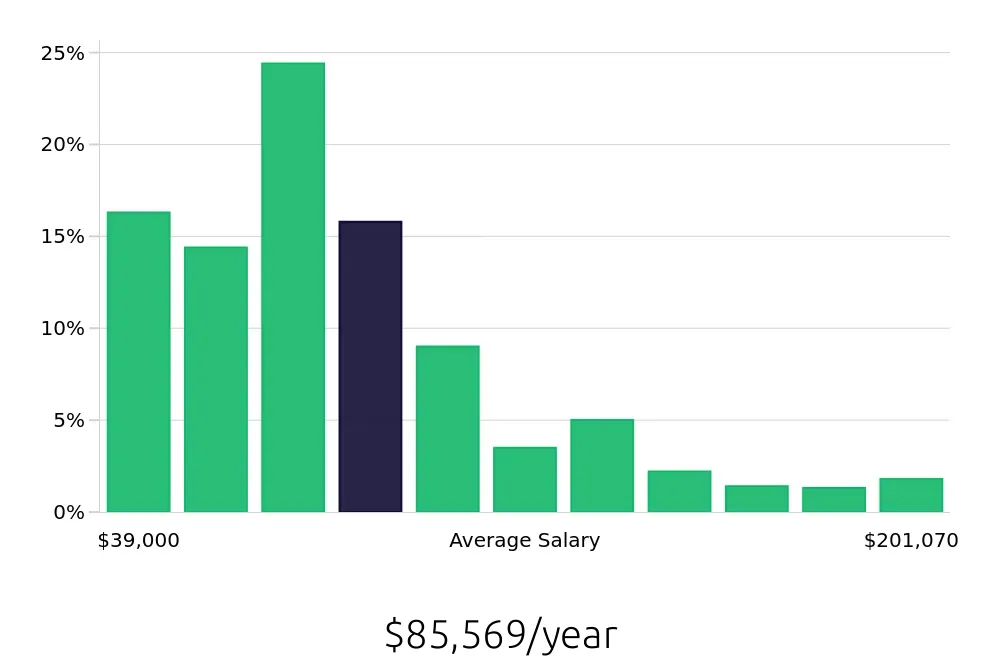
Education Directors play a crucial role in shaping educational policies and overseeing school operations. Their responsibilities include curriculum development, staff management, and ensuring compliance with educational standards. With the increasing focus on improving educational outcomes, the need for skilled Education Directors is on the rise. Job seekers can expect competitive compensation, with an average annual salary of $51,210 and an hourly rate of $24.62, according to the BLS.
To succeed in this field, job seekers should focus on gaining relevant experience and qualifications. This includes holding a master's degree in education administration or a related field and obtaining a teaching license. Networking and staying updated on educational trends can also enhance job prospects. With the right preparation, job seekers can look forward to a rewarding and stable career as an Education Director.
Currently 77 Education Director job openings, nationwide.
Continue to Salaries for Education Director