What does a Embroidery Machine Operator do?
An Embroidery Machine Operator plays a key role in the production of embroidered products. This person runs specialized machines to create designs on fabric. The machine operator sets up the machine, loads the design, and monitors the process to ensure quality. They change fabrics and thread as needed. Each design needs careful attention to detail. The operator ensures the final product meets high standards.
The Embroidery Machine Operator works closely with designers and other production staff. They may need to adjust designs based on feedback. Clear communication is important. The operator often works in a fast-paced environment. They must be able to handle multiple tasks at once. This job requires precision and patience. The operator ensures each product is made correctly and on time.
How to become a Embroidery Machine Operator?
Becoming an Embroidery Machine Operator is a great career move for those who love working with textiles. This role combines technical skills with creativity. Follow these steps to start a successful career in this field.
First, obtain the necessary education. High school students can take courses in art and vocational education. This provides a good foundation. For others, consider taking specialized courses in textile arts or machine operation. These courses cover the basics of embroidery machine use and design.
- Learn the basics of embroidery machines.
- Get hands-on experience through apprenticeships.
- Obtain certifications to boost your resume.
- Start with entry-level positions to gain practical experience.
- Network with other professionals to learn more about the industry.
After learning the basics, gain hands-on experience. Apprenticeships offer practical training and mentorship. This is key to mastering machine operation. Look for programs that offer real-world experience. These will be more valuable than just classroom learning.
Obtaining certifications can help set you apart. Certifications from recognized organizations show your dedication and skill. They can also open up more job opportunities. Certifications in embroidery and machine operation are highly valued in the industry.
Start your career with entry-level jobs. This will help you build your skills and experience. Apply for positions in factories, design studios, or embroidery shops. Each role will teach you more about the industry and different types of machines.
Networking is crucial. Connect with other professionals through industry events, online forums, and social media. This will keep you informed about new trends and job openings. Building a strong network can lead to better job opportunities in the future.
How long does it take to become a Embroidery Machine Operator?
Learning to become an Embroidery Machine Operator can vary. Generally, it takes between a few months to a couple of years. Those with prior experience in sewing or related fields may finish faster. A formal training program or apprenticeship often helps. Many take courses at vocational schools or community colleges. These programs offer hands-on practice and teach about different embroidery machines.
During training, one learns to set up and operate embroidery machines. This includes understanding the software used for designing patterns. Trainees also learn to select the right thread and fabric. Safety practices are a big part of the training. Regular practice and feedback from instructors make learning easier and faster. With dedication, one can become skilled in a shorter time.
Embroidery Machine Operator Job Description Sample
We are seeking a skilled Embroidery Machine Operator to join our production team. The ideal candidate will be proficient in operating embroidery machines to create high-quality embroidered products for our clients. This role requires precision, attention to detail, and the ability to work efficiently in a fast-paced environment.
Responsibilities:
- Operate and maintain embroidery machines to produce high-quality embroidered products.
- Prepare embroidery designs by setting up the machine according to specifications.
- Monitor the embroidery process to ensure quality and make necessary adjustments.
- Inspect finished products for quality and accuracy, and repair or replace defective items.
- Maintain and clean embroidery machines to ensure optimal performance.
Qualifications
- Previous experience as an Embroidery Machine Operator or similar role.
- Proficiency in operating various types of embroidery machines.
- Strong attention to detail and ability to produce consistent quality work.
- Knowledge of embroidery design software and CAD systems is a plus.
- Ability to read and interpret technical drawings and specifications.
Is becoming a Embroidery Machine Operator a good career path?
Working as an Embroidery Machine Operator offers a unique blend of creativity and technology. This role involves using specialized machines to create intricate designs on various materials. Employers often value candidates who can work with precision and creativity. The work can be rewarding, especially when seeing the final product. Operators need to learn how to program and maintain the machines, which can lead to a stable career.
Embroidery Machine Operators have several benefits to consider. This job allows for working in a variety of settings, including manufacturing plants or small businesses. The work can be satisfying as it combines technical skills with artistic talent. Many operators find the job to be consistent and often offer steady hours. The industry for embroidery is growing, which can lead to more job opportunities.
However, this career path also has some challenges. Working with machines for long hours can lead to repetitive strain injuries. Operators need to be careful and precise, which requires focus and attention to detail. The work environment can sometimes be noisy and require standing for long periods. Learning to use and maintain the machines takes time and practice.
Here are some pros and cons to consider:
- Pros:
- Combines creativity with technical skills
- Opportunities to work in various settings
- Steady work hours and job stability
- Potential for growth in the industry
- Cons:
- Risk of repetitive strain injuries
- Need for focus and attention to detail
- Potentially noisy work environment
- Time needed to learn and master machine use
What is the job outlook for a Embroidery Machine Operator?
Becoming an Embroidery Machine Operator offers a promising job outlook for many job seekers. The Bureau of Labor Statistics (BLS) highlights that, on average, there are 12,500 job positions available each year. This steady demand offers a reliable opportunity for those seeking to enter this field. Although there is a projected decrease of 15.2% in job openings from 2022 to 2032, the overall job outlook remains stable.
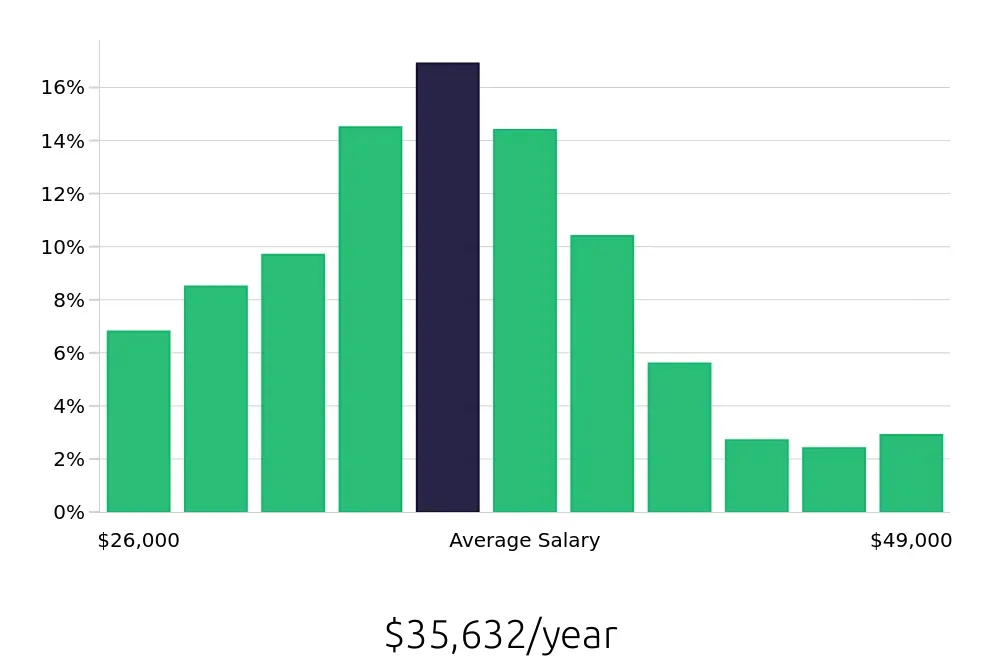
The compensation for Embroidery Machine Operators is competitive as well. According to the BLS, the average annual salary is $35,000. On an hourly basis, workers earn an average of $16.83. These figures provide a clear picture of the financial rewards that can be expected in this profession. The steady demand for skilled operators ensures that employers are willing to offer attractive compensation packages to secure qualified candidates.
Job seekers looking to enter this field can find numerous opportunities in various industries. From fashion and apparel to home decor and textiles, Embroidery Machine Operators play a crucial role in producing high-quality products. The ability to work with advanced machinery and attention to detail are key skills that can lead to a fulfilling career. With proper training and experience, professionals can enjoy job stability and good earning potential.
Currently 75 Embroidery Machine Operator job openings, nationwide.
Continue to Salaries for Embroidery Machine Operator