What does a Engineering Consultant do?
An Engineering Consultant supports the design, development, and implementation of engineering projects. They provide expert advice to clients, ensuring projects meet quality and safety standards. Consultants often work with teams of engineers, architects, and project managers. They evaluate project plans and suggest improvements. This role requires strong problem-solving skills and a deep understanding of engineering principles. They work in various industries, such as construction, manufacturing, and technology.
Engineering Consultants analyze project requirements and assess risks. They prepare detailed reports and presentations for clients. They ensure that projects adhere to local, national, and international regulations. Consultants also manage budgets and timelines. They collaborate with clients to define project goals and objectives. This role often involves travel to project sites and client meetings. Engineering Consultants help organizations achieve their goals by providing technical expertise and innovative solutions.
How to become a Engineering Consultant?
Pursuing a career as an Engineering Consultant can be rewarding. This role involves offering expert advice on engineering projects. It requires specific skills and education. Understanding the steps can help in starting this career path.
Here are five steps to become an Engineering Consultant:
- Earn a relevant degree. Most Engineering Consultants hold a bachelor’s degree in engineering. Focus on fields like civil, mechanical, or electrical engineering. This education provides the necessary technical knowledge.
- Gain experience. Work in engineering roles to gain practical experience. Internships or entry-level positions in engineering firms can be very helpful. Experience is crucial to understand real-world applications of engineering principles.
- Obtain necessary certifications. Some areas of engineering require specific licenses or certifications. Check the requirements in your area. Certifications can enhance your qualifications and credibility.
- Develop business skills. Learn about business operations, client communication, and project management. These skills are vital for managing consulting projects. Attend workshops or take courses to build these skills.
- Start your own consultancy or join a firm. Many Engineering Consultants begin by working for established firms. Others choose to start their own consultancy. Either way, gaining experience and building a client base is essential for success.
How long does it take to become a Engineering Consultant?
Engineering consultants bring their expertise to projects to ensure they meet safety, efficiency, and budget goals. To enter this field, professionals need a mix of education, training, and experience. An engineering degree forms the foundation. This step usually takes four years. A bachelor's degree in engineering offers the basic skills needed.
After earning a degree, gaining practical experience becomes key. Many engineers start by working in related roles for a few years. This time helps them understand the industry better. They learn about project management, client interactions, and problem-solving skills. Gaining certifications can also enhance an engineer's credentials. This often requires additional study and exams. The combination of education and experience usually takes around five to ten years. This period allows engineers to build a strong foundation and gain the necessary skills to succeed as consultants.
Engineering Consultant Job Description Sample
We are seeking a highly skilled Engineering Consultant to join our team. The ideal candidate will possess a strong background in engineering principles and practices, with expertise in providing strategic consulting services to clients. The Engineering Consultant will work collaboratively with clients to identify challenges, develop innovative solutions, and implement effective strategies to optimize engineering processes and enhance project outcomes.
Responsibilities:
- Conduct assessments and evaluations of clients' engineering projects, processes, and systems.
- Collaborate with clients to identify areas for improvement and develop tailored solutions.
- Provide expert advice and recommendations on engineering best practices, technologies, and methodologies.
- Develop and implement project plans, timelines, and budgets in alignment with clients' goals.
- Conduct research and stay updated on industry trends, technologies, and regulatory requirements.
Qualifications
- Bachelor's degree in Engineering (Civil, Mechanical, Electrical, or related field) required; Master's degree preferred.
- Minimum of 5 years of experience in engineering consulting or a related field.
- Proven track record of delivering successful engineering projects and providing strategic consulting services.
- Strong understanding of engineering principles, practices, and industry standards.
- Excellent problem-solving skills and ability to think critically and strategically.
Is becoming a Engineering Consultant a good career path?
An Engineering Consultant works with clients to solve technical problems. They use their knowledge of engineering to help businesses and governments. This job lets them work on many different projects. They can travel for work, meeting clients in various places. This job offers variety and adventure.
Being an Engineering Consultant has its own set of benefits and challenges. Working on different projects keeps the job interesting. Consultants often have the chance to use the latest technology. They can also work with top-notch professionals. This helps them grow their skills and knowledge. However, the job can be demanding. Consultants often work long hours, especially before project deadlines. They need to manage their time well. Some consultants work for themselves, which can mean less job security. They must find new clients to keep their business going.
Below is a list of pros and cons to consider in this career:
- Pros:
- Variety in projects
- Use of latest technology
- Opportunity to travel
- Cons:
- Long working hours
- Potential for less job security
- Need for strong time management skills
What is the job outlook for a Engineering Consultant?
The job outlook for Engineering Consultants is promising, with an average of 10,400 job positions available each year. This outlook indicates a steady demand for qualified professionals in this field. The Bureau of Labor Statistics (BLS) projects a 3.3% increase in job openings from 2022 to 2032, suggesting a stable and growing career path for those entering this profession.
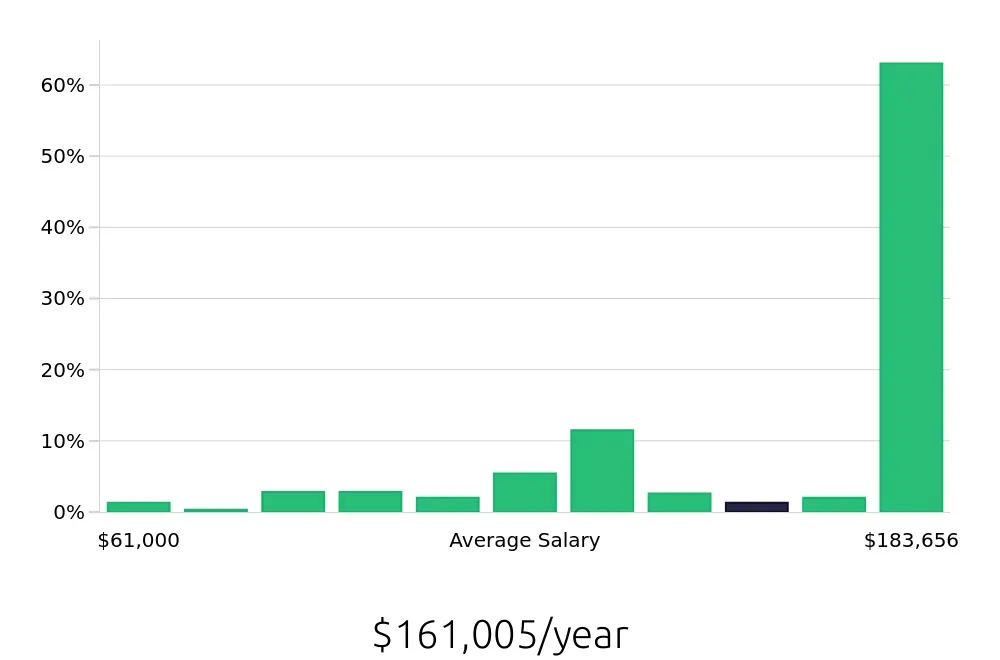
Engineering Consultants enjoy a competitive average annual compensation of $118,350, according to BLS data. This figure reflects the value placed on their expertise and skills within the industry. The hourly compensation rate stands at $56.9, highlighting the high earning potential for those who can secure a position in this field. Such financial rewards make it an attractive option for many job seekers looking for a lucrative career.
The combination of a steady job outlook and attractive compensation packages makes a career as an Engineering Consultant very appealing. Job seekers with the necessary skills and qualifications can look forward to a stable and potentially rewarding career. The positive trends in job openings and compensation rates further underscore the importance of this profession in today's job market.
Currently 37 Engineering Consultant job openings, nationwide.
Continue to Salaries for Engineering Consultant