What does a Engineering Specialist do?
An Engineering Specialist designs, develops, and improves technical systems. They work on creating new products or enhancing existing ones. Their role involves analyzing data and solving problems to ensure efficiency and safety. They often collaborate with other teams to integrate their solutions effectively.
This position requires strong analytical skills and attention to detail. The Engineering Specialist must also have a solid understanding of engineering principles and software tools. They should be able to communicate complex technical information clearly to non-engineers. The goal is to support the organization's mission through innovative engineering solutions.
How to become a Engineering Specialist?
Becoming an Engineering Specialist can lead to a fulfilling career in a field that shapes the world around us. This path involves specific steps that guide an individual from education to professional practice. By following these steps, one can build a successful career in engineering.
Here are five key steps to becoming an Engineering Specialist:
- Earn a relevant degree: Start with a bachelor’s degree in engineering. Programs in fields like civil, mechanical, electrical, or software engineering provide the necessary foundation.
- Gain practical experience: Seek internships or co-op programs during college. These experiences offer hands-on learning and often lead to job offers after graduation.
- Obtain a professional license: After graduation, pass the necessary exams to become a licensed engineer. This step is crucial for many engineering roles and can enhance career prospects.
- Specialize in a field: Decide on a specific area of engineering. Pursue further education or certifications in this specialization to become an expert.
- Advance your career: Look for opportunities to take on more responsibilities. Networking and continuous learning can help achieve a specialist role.
With dedication and the right steps, anyone can become an Engineering Specialist. This career path opens doors to a variety of exciting opportunities in the engineering world.
How long does it take to become a Engineering Specialist?
Achieving the status of an Engineering Specialist can vary based on several factors, including educational background, experience, and specialization. Generally, a bachelor’s degree in engineering takes about four years to complete. This foundational education covers essential topics like mathematics, physics, and engineering principles. Some students opt to pursue a master’s degree, which adds an additional two years. This advanced degree offers deeper insights and specialized knowledge in areas like civil, mechanical, electrical, or software engineering.
Gaining practical experience is equally important. Engineers usually begin with entry-level positions where they work under more experienced engineers. Over time, these professionals accumulate experience and expertise. Many employers value candidates with two to five years of experience. Specialized certifications can also enhance an engineer’s credentials and open up more opportunities. Certifications from recognized bodies can be earned in a few months, depending on the program and individual pace.
The journey to becoming an Engineering Specialist is structured and rewarding. It requires dedication, continuous learning, and a passion for the field. With the right education, experience, and certifications, individuals can advance to a prestigious and fulfilling career in engineering.
Engineering Specialist Job Description Sample
As an Engineering Specialist, you will play a critical role in driving innovation and efficiency within our engineering team. You will be responsible for designing, developing, and implementing engineering solutions to support our product and process improvements. This role requires a strong technical background, problem-solving skills, and the ability to work collaboratively in a fast-paced environment.
Responsibilities:
- Collaborate with cross-functional teams to identify and solve complex engineering problems.
- Design, develop, and test engineering solutions to improve product performance and process efficiency.
- Conduct research and stay updated on the latest engineering technologies and methodologies.
- Prepare detailed technical documentation and reports to communicate findings and recommendations.
- Provide technical support and training to other team members as needed.
Qualifications
- Bachelor's degree in Engineering (Mechanical, Electrical, Civil, or related field) required; Master's degree preferred.
- Minimum of 3 years of experience in an engineering role with a focus on design, development, and problem-solving.
- Strong proficiency in engineering software tools (e.g., CAD, FEA, MATLAB, etc.).
- Excellent analytical and problem-solving skills with a keen attention to detail.
- Effective communication skills, both written and verbal, with the ability to present technical information clearly.
Is becoming a Engineering Specialist a good career path?
Working as an Engineering Specialist offers many opportunities for those with a knack for problem-solving and a passion for technology. This role involves designing, developing, and improving products and systems. Specialists often work in fields such as mechanical, electrical, or chemical engineering. They collaborate with teams to ensure projects meet quality standards and deadlines. The job can lead to exciting challenges and innovations.
An Engineering Specialist enjoys various benefits. These include working on cutting-edge projects, the chance to travel for work, and opportunities for continuous learning and growth. Specialists often have a high job demand, leading to stable employment. However, the role can also present some challenges. Long hours and high stress are common, especially during project deadlines. The need for ongoing education to stay current with technology can be demanding. Balancing work and personal life might be difficult at times.
Here are some pros and cons of being an Engineering Specialist:
- Pros:
- Opportunities to work on innovative projects
- High demand for qualified professionals
- Chances for career advancement and growth
- Competitive salaries
- Cons:
- Long working hours and high stress levels
- Need for continuous education and training
- Potential for job-related travel
- Difficulty in balancing work and personal life
What is the job outlook for a Engineering Specialist?
Engineering Specialists play a key role in many industries. They focus on solving technical problems and improving processes. This role is in demand because of its critical nature. The Bureau of Labor Statistics (BLS) reports around 400 job positions per year for this role. This shows steady opportunities for those seeking to enter the field.
The job outlook for Engineering Specialists is positive. BLS data shows a projected job openings percent change of 0.7 from 2022 to 2032. This modest increase points to consistent demand. Companies value the expertise that Engineering Specialists bring to complex projects. This trend makes it a reliable career choice for the future.
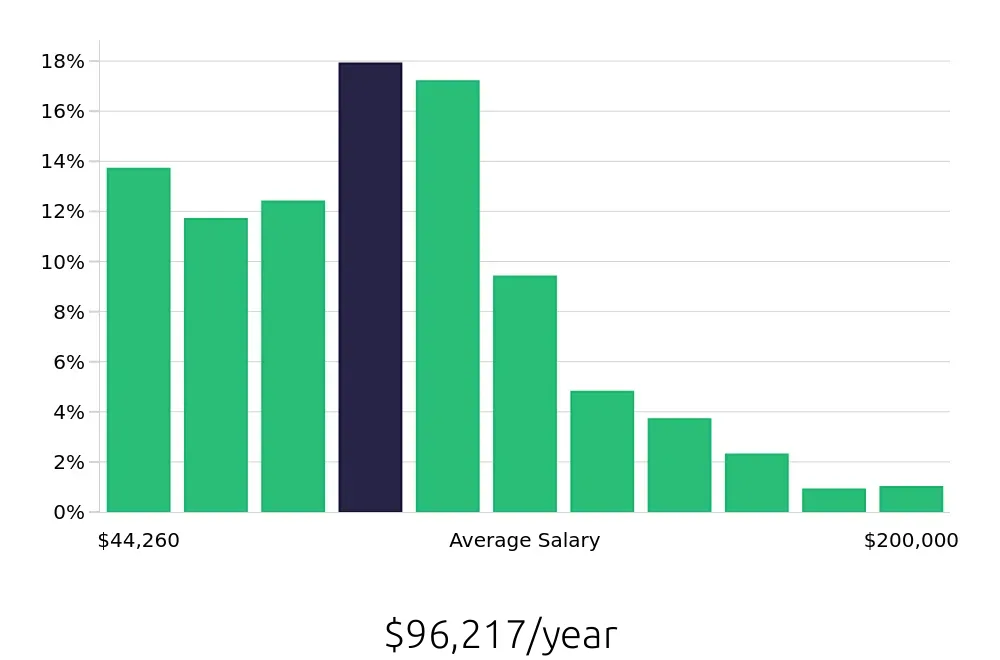
Compensation for Engineering Specialists is also attractive. The BLS reports an average national annual compensation of $108,110. This translates to an hourly rate of $51.98. These figures reflect the value and skill set required for the role. They also indicate that the career can be financially rewarding. For job seekers, this role offers both stability and good pay.
Currently 154 Engineering Specialist job openings, nationwide.
Continue to Salaries for Engineering Specialist