What does a Environmental Health Aide do?
An Environmental Health Aide plays a crucial role in maintaining public health and safety. This position focuses on identifying and mitigating environmental factors that could harm people. It involves inspecting buildings and public areas to ensure they meet health standards. The aide reports any issues they find and works with other professionals to solve them. This job aims to prevent disease and create safer living and working conditions for everyone.
Environmental Health Aides often work in public health departments, construction sites, and food service establishments. They examine facilities for pests, proper waste disposal, and clean water. They may also look at air quality and check for harmful substances. This role requires paying attention to detail and understanding local health regulations. Aides need to communicate clearly with the public and other professionals to ensure everyone understands necessary changes. They help to make communities healthier and safer places to live and work.
How to become a Environmental Health Aide?
Becoming an Environmental Health Aide involves several key steps that can lead to a rewarding career in public health. This role focuses on protecting public health by inspecting and monitoring environmental conditions. It demands a blend of education, hands-on experience, and certification. Follow these steps to start your journey in this vital field.
First, obtain a high school diploma or GED. This is the basic requirement to enter the field. After completing high school, the next step is to pursue an associate's degree in environmental health or a related field. Many community colleges offer these programs. They provide essential knowledge about public health, environmental regulations, and safety standards. Look for accredited programs that offer fieldwork or internships, as these can provide valuable experience.
- Gain practical experience through internships or entry-level jobs.
- Consider obtaining certification from a recognized organization.
- Keep up with continuing education and stay informed on new regulations.
- Apply for jobs with local health departments or environmental agencies.
- Continue to develop skills and expand knowledge through workshops and advanced courses.
After gaining some education, seek internships or entry-level positions. These roles offer hands-on experience and can improve your skills. Working in real settings helps understand the daily tasks and challenges of an Environmental Health Aide. Look for opportunities in local health departments or environmental agencies.
The next step is to obtain certification, which can enhance job prospects. The National Environmental Health Association (NEHA) offers a Certified Environmental Health Technician (CEHT) credential. This certification requires passing an exam and meeting certain experience criteria. Certification can show employers that you have the knowledge and skills needed for the job.
Staying updated is crucial in this field. Environmental laws and safety standards change frequently. Continue your education through workshops, seminars, and advanced courses. This ensures you remain knowledgeable about the latest practices and regulations.
With your education and experience, start applying for jobs. Look for positions with local health departments, environmental agencies, or private companies. Tailor your resume to highlight your education, certifications, and any relevant experience. Networking with professionals in the field can also open up job opportunities.
How long does it take to become a Environmental Health Aide?
The journey to becoming an Environmental Health Aide involves several key steps. First, completing a high school diploma or GED is necessary. This basic education sets the foundation for further training. Most employers prefer candidates with an associate degree in environmental health or a related field. This degree program usually takes about two years to finish.
After obtaining the required education, gaining practical experience through internships or entry-level positions is crucial. This step can take an additional one to two years. During this time, aspiring Environmental Health Aides learn to apply classroom knowledge in real-world settings. Some may also choose to pursue certifications to enhance their qualifications. This entire process, from high school graduation to securing a position, typically spans three to four years. Choosing this career path leads to rewarding work that makes communities healthier.
Environmental Health Aide Job Description Sample
The Environmental Health Aide is responsible for assisting in the implementation and enforcement of environmental health regulations and standards to ensure a safe and healthy community. This role involves conducting inspections, collecting samples, maintaining records, and providing education to the public and businesses.
Responsibilities:
- Conduct inspections of residential, commercial, and public spaces to ensure compliance with health and safety regulations.
- Collect and analyze environmental samples such as air, water, and soil to identify potential hazards.
- Maintain accurate and detailed records of inspections, findings, and corrective actions taken.
- Provide education and guidance to the public and businesses on environmental health practices and regulations.
- Assist in the development and implementation of environmental health programs and policies.
Qualifications
- High school diploma or equivalent required; associate degree in environmental science, public health, or a related field is preferred.
- Previous experience in environmental health, public health, or a related field is strongly preferred.
- Knowledge of environmental health regulations, standards, and best practices.
- Ability to use environmental sampling and analysis equipment.
- Strong communication and interpersonal skills to interact with the public, businesses, and other professionals.
Is becoming a Environmental Health Aide a good career path?
A career as an Environmental Health Aide offers a unique blend of fieldwork and community service. These professionals focus on ensuring public health by inspecting and monitoring environmental factors that could affect it. They work in diverse settings, such as restaurants, water treatment facilities, and construction sites. The role requires a strong attention to detail and a commitment to protecting public health.
Working as an Environmental Health Aide comes with its own set of benefits and challenges. On the positive side, this career provides the opportunity to make a tangible difference in community health and safety. Aides often have a direct impact on the well-being of the public. The job also offers a variety of work environments and the chance to travel. However, it comes with challenges too, such as dealing with hazardous conditions and potential exposure to illness. The job can also be physically demanding and require long hours.
Here are some pros and cons to consider:
- Pros:
- Makes a positive impact on public health
- Diverse work environments
- Opportunities for travel and fieldwork
- Cons:
- Exposure to hazardous conditions
- Potential for long hours and physical demands
- Frequent need to handle challenging situations
What is the job outlook for a Environmental Health Aide?
The job outlook for Environmental Health Aides looks promising, with the U.S. Bureau of Labor Statistics (BLS) reporting an average of 257,100 positions opening each year. This consistent demand highlights the essential role these professionals play in public health and safety. With a projected job growth of 10.4% from 2022 to 2032, job seekers can expect a steady flow of opportunities in this field.
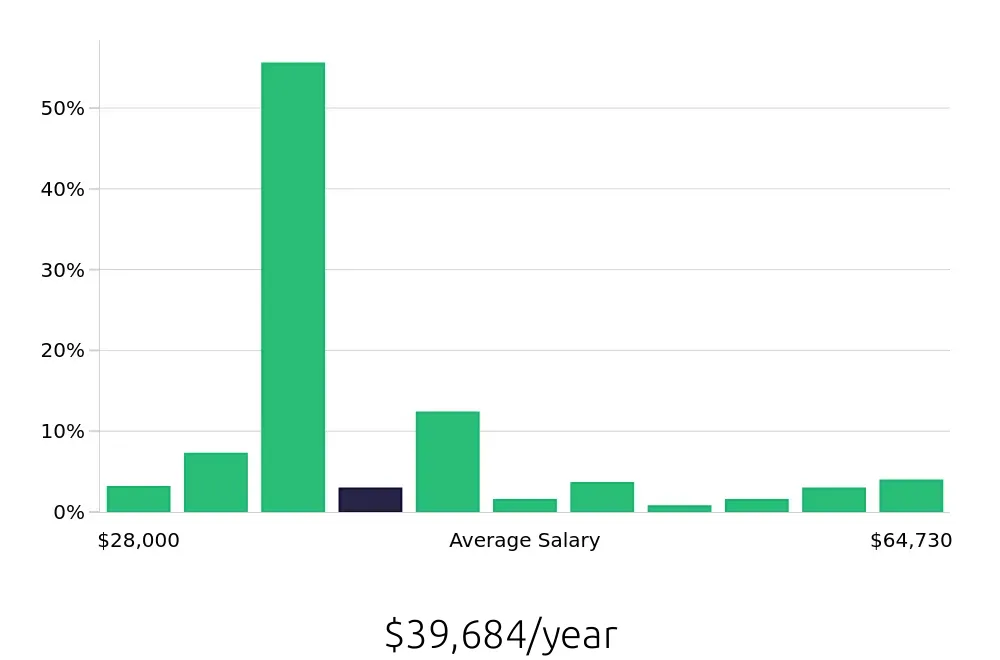
Environmental Health Aides typically earn an average national annual compensation of $43,940, according to the BLS. This figure provides a clear picture of the financial rewards associated with this profession. Moreover, the average hourly wage of $21.13 reflects the value placed on the skills and knowledge these professionals bring to their roles. This compensation data is particularly attractive to those seeking stable and rewarding career paths.
Aspiring Environmental Health Aides can benefit from the strong job market and competitive salaries. The BLS data underscores the positive trajectory of this profession, making it an appealing choice for job seekers. With a combination of job stability, growth potential, and fair compensation, this career path offers a promising future for those interested in environmental health and safety.
Currently 57 Environmental Health Aide job openings, nationwide.
Continue to Salaries for Environmental Health Aide