What does a Environmental Health and Safety Coordinator do?
An Environmental Health and Safety (EHS) Coordinator plays a vital role in ensuring workplace safety and compliance with health and safety regulations. This professional assesses work environments to identify potential hazards and develops strategies to mitigate risks. They conduct regular inspections, analyze data, and implement safety protocols. Their goal is to create a safe and healthy work environment for employees.
The EHS Coordinator also coordinates training programs to educate staff on safety practices and emergency procedures. They work closely with management and employees to ensure that everyone understands and follows safety guidelines. Additionally, they prepare reports on safety incidents and suggest improvements to prevent future occurrences. This role requires strong communication skills, attention to detail, and a commitment to maintaining high safety standards. The EHS Coordinator ensures that the organization complies with all relevant laws and regulations, helping to avoid penalties and maintain a positive workplace culture.
How to become a Environmental Health and Safety Coordinator?
Becoming an Environmental Health and Safety Coordinator offers a path to a rewarding career that makes a real impact on workplace environments. This role focuses on ensuring safe and healthy conditions for employees. It involves creating policies, conducting inspections, and educating staff about safety practices. Securing this position requires dedication and the right steps.
Following these steps can help professionals enter this vital career. Start by gaining the necessary education and experience. Complete a bachelor's degree in environmental science, occupational health, or a related field. Work experience in health and safety is also essential. Some coordinators may start in entry-level positions and work their way up. Gaining experience in different industries can also be beneficial.
Next, pursue certification to enhance job prospects. Certifications such as Certified Safety Professional (CSP) or Occupational Health and Safety Technician (OHST) can set candidates apart. These credentials demonstrate expertise and commitment to the field. Employers often prefer or require these certifications.
- Gain Education: Obtain a bachelor's degree in environmental science, occupational health, or a related field.
- Gain Experience: Work in health and safety roles to build experience.
- Pursue Certification: Get certified as a Certified Safety Professional (CSP) or Occupational Health and Safety Technician (OHST).
- Develop Skills: Learn essential skills such as risk assessment, policy development, and emergency response planning.
- Network: Connect with professionals in the field through associations and job boards to find opportunities.
How long does it take to become a Environmental Health and Safety Coordinator?
Embarking on a career as an Environmental Health and Safety (EHS) Coordinator involves understanding the time commitment required. Generally, the path to this role takes several years of education and experience. Most positions require a bachelor's degree in a related field such as environmental science, occupational health, or industrial hygiene.
After completing a four-year degree, aspiring EHS Coordinators often gain practical experience. This can include internships, entry-level jobs, or positions in related fields. Gaining at least two to four years of experience helps build the necessary skills. Many professionals also pursue certifications, such as the Certified Safety Professional (CSP) or Occupational Health and Safety Technologist (OHST). These certifications can enhance job prospects and usually require passing an exam. With the right education and experience, an individual can expect to spend around six to eight years to qualify for an EHS Coordinator role.
Environmental Health and Safety Coordinator Job Description Sample
The Environmental Health and Safety (EHS) Coordinator is responsible for ensuring compliance with environmental, health, and safety regulations. This role involves developing and implementing safety programs, conducting risk assessments, and promoting a culture of safety within the organization.
Responsibilities:
- Develop, implement, and maintain EHS policies and procedures in accordance with federal, state, and local regulations.
- Conduct regular safety audits and inspections to identify potential hazards and ensure compliance with safety standards.
- Investigate accidents and incidents, analyze root causes, and develop corrective actions to prevent recurrence.
- Provide training and education to employees on EHS policies, procedures, and best practices.
- Maintain accurate records of safety incidents, inspections, and training activities.
Qualifications
- Bachelor’s degree in Environmental Science, Occupational Health and Safety, or a related field.
- Professional certifications such as Certified Safety Professional (CSP), Occupational Health and Safety Technician (OHST), or equivalent preferred.
- Minimum of 3-5 years of experience in an EHS role.
- Strong knowledge of environmental, health, and safety regulations and standards.
- Excellent communication and interpersonal skills.
Is becoming a Environmental Health and Safety Coordinator a good career path?
An Environmental Health and Safety (EHS) Coordinator plays a critical role in ensuring that workplaces adhere to health and safety standards. This position involves developing and implementing safety programs, conducting risk assessments, and ensuring compliance with environmental regulations. The role offers a mix of office work and on-site visits, making it suitable for those who enjoy both administrative tasks and hands-on work.
Working as an EHS Coordinator provides several benefits. It offers job stability as companies across all industries need professionals to manage workplace safety. The role allows for significant impact, helping to prevent accidents and protect employees. Furthermore, the position often comes with good benefits and opportunities for career advancement. However, there are also challenges to consider. It requires continuous learning to stay updated on regulations and safety standards. The job can be stressful, particularly during inspections or after incidents.
Here are some pros and cons to think about:
- Pros:
- Job stability due to demand across various industries
- Opportunities for significant impact on workplace safety
- Good benefits and potential for career growth
- Cons:
- Continuous need for learning and staying updated
- Potential stress from inspections and incidents
- May involve on-site work in varied conditions
What is the job outlook for a Environmental Health and Safety Coordinator?
The job outlook for Environmental Health and Safety Coordinators is promising. The Bureau of Labor Statistics (BLS) reports an average of 24,100 job openings annually. This trend indicates a steady demand for professionals in this field. Companies across various industries recognize the importance of maintaining safe and healthy work environments. As a result, they continue to hire more coordinators to ensure compliance with regulations and foster a safe workplace.
Job openings for Environmental Health and Safety Coordinators are expected to grow by 11.2% from 2022 to 2032, according to the BLS. This growth rate is higher than the average for all occupations. The increasing focus on workplace safety and health regulations drives this positive trend. Industries such as manufacturing, healthcare, and construction are among the top employers of these coordinators. This growth suggests a bright future for anyone entering this profession.
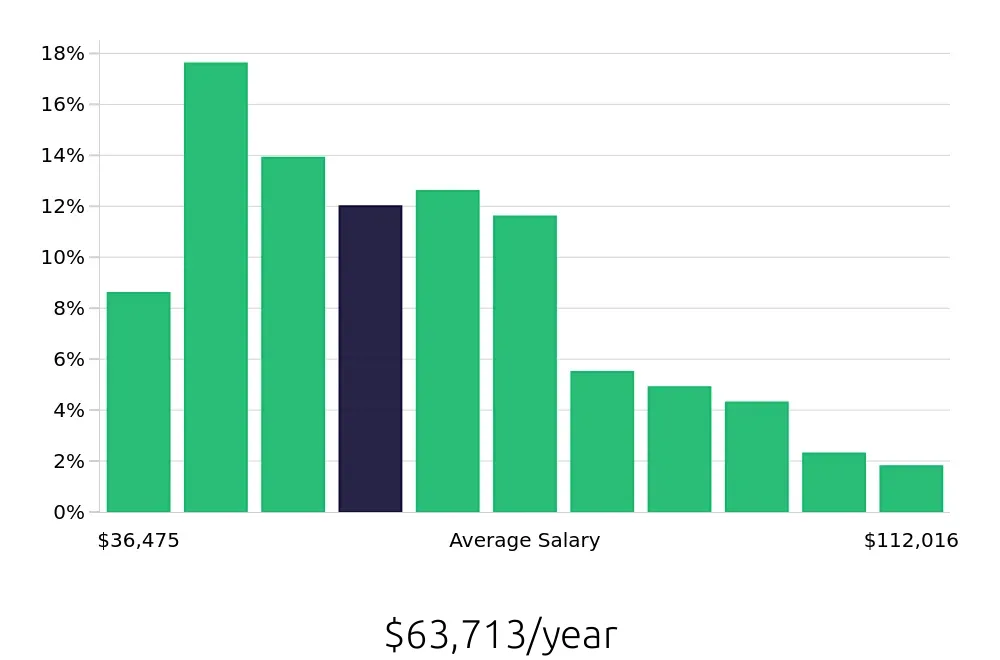
Environmental Health and Safety Coordinators earn a competitive salary. The BLS reports an average national annual compensation of $103,510. The average hourly compensation stands at $49.76. These figures reflect the value employers place on the expertise and skills of these professionals. A career in this field not only offers job security and growth but also a rewarding financial compensation package.
Currently 177 Environmental Health and Safety Coordinator job openings, nationwide.
Continue to Salaries for Environmental Health and Safety Coordinator