What does a Environmental Health Safety Manager do?
An Environmental Health Safety Manager oversees programs that protect employees, the public, and the environment from potential hazards. This role involves creating, implementing, and enforcing safety policies and procedures. Managers analyze workplace conditions to identify risks and ensure compliance with local, state, and federal regulations.
Key responsibilities include conducting regular safety audits, training staff on safety protocols, and investigating incidents to prevent future occurrences. They also prepare reports on safety performance and recommend improvements. This role requires strong leadership, problem-solving skills, and a deep understanding of safety regulations. The goal is to create a safe, healthy workplace that minimizes risks.
The Environmental Health Safety Manager works closely with various departments to integrate safety into daily operations. They also stay up-to-date with industry trends and best practices to continuously improve safety measures. This position is critical for maintaining a safe working environment and ensuring the well-being of all stakeholders.
How to become a Environmental Health Safety Manager?
Starting a career as an Environmental Health and Safety Manager requires dedication and the right steps. This role involves ensuring that workplaces follow safety regulations and minimize environmental impact. Here are some key steps to follow:
To become an Environmental Health and Safety Manager, begin by getting the right education. Aim for a bachelor's degree in environmental science, occupational health, or a similar field. Consider taking courses in safety management, risk assessment, and environmental law. A degree provides the foundation needed for this career.
- Gain experience. Look for internships or entry-level jobs in safety management or environmental health. This hands-on experience helps build skills and knowledge.
- Get certifications. Certifications can boost your resume and show commitment to the field. Options include Certified Safety Professional (CSP) and Certified Hazardous Materials Manager (CHMM). These credentials enhance your qualifications.
- Advance your career. With experience and certifications, seek roles with more responsibility. Positions like Safety Coordinator or Risk Manager can lead to higher roles. Aim for a management position over time.
- Network. Connect with professionals in the field. Join organizations like the American Society of Safety Professionals. Attend workshops, seminars, and conferences to meet others in the industry.
By following these steps, aspiring Environmental Health and Safety Managers can build a successful career. With the right education, experience, and certifications, the path to a rewarding job becomes clear.
How long does it take to become a Environmental Health Safety Manager?
Gaining the role of an Environmental Health Safety Manager requires dedication and the right educational path. The journey typically spans several years. First, a candidate needs a bachelor’s degree in a related field such as environmental science, occupational health, or safety management. This foundational education usually takes four years.
Following the bachelor’s degree, the next step often involves gaining practical experience. Many employers prefer candidates with at least two to five years of experience in environmental health and safety roles. This hands-on experience helps build the necessary skills and knowledge. Some professionals may choose to further their education with a master’s degree or specialized certifications. This advanced study can add another one to two years to the process. In total, the path to becoming an Environmental Health Safety Manager can take between five to seven years.
Environmental Health Safety Manager Job Description Sample
The Environmental Health Safety (EHS) Manager is responsible for overseeing and implementing the company's environmental, health, and safety programs. This role is crucial in ensuring compliance with all relevant laws and regulations, promoting a culture of safety, and minimizing workplace accidents and incidents.
Responsibilities:
- Develop, implement, and maintain EHS policies and procedures in compliance with federal, state, and local regulations.
- Conduct regular safety audits and inspections to identify potential hazards and ensure adherence to safety standards.
- Investigate accidents, incidents, and near misses to determine root causes and recommend corrective actions.
- Provide training and education to employees on safety protocols, hazard communication, and emergency response procedures.
- Coordinate with HR, operations, and other departments to foster a culture of safety and compliance throughout the organization.
Qualifications
- Bachelor’s degree in Environmental Science, Occupational Health and Safety, Engineering, or a related field.
- Minimum of 5 years of experience in an EHS management role.
- Professional certifications such as Certified Safety Professional (CSP), Occupational Health and Safety Technologist (OHST), or equivalent are preferred.
- Strong knowledge of local, state, and federal EHS regulations and standards.
- Excellent leadership, communication, and interpersonal skills.
Is becoming a Environmental Health Safety Manager a good career path?
Environmental Health Safety Managers play a key role in ensuring that workplaces adhere to health and safety regulations. This role involves a mix of office tasks and fieldwork to assess and mitigate risks. It can lead to a rewarding career focused on protecting employees and the environment. Companies in manufacturing, construction, and healthcare often need these professionals.
To succeed, one must understand regulations and have strong communication skills. This job requires a mix of science, safety, and management expertise. Those interested should consider how they can contribute to a safer workplace and if they have the patience and detail-oriented nature needed for this role.
Consider the following pros and cons for this career path:
- Pros:
- Helps protect people and the environment.
- Offers job security with high demand in many industries.
- Provides opportunities for advancement and specialization.
- Encourages continuous learning about new safety practices.
- Cons:
- May require long hours, especially during inspections.
- Involves dealing with regulatory compliance, which can be complex.
- Can lead to stress from ensuring high safety standards.
- Requires ongoing education to stay current with regulations.
What is the job outlook for a Environmental Health Safety Manager?
The job outlook for Environmental Health Safety Managers is promising, with an average of 14,200 new positions expected each year. This growth rate is expected to increase by 13.3% from 2022 to 2032. This positive trend makes it an excellent time for job seekers to enter this field.
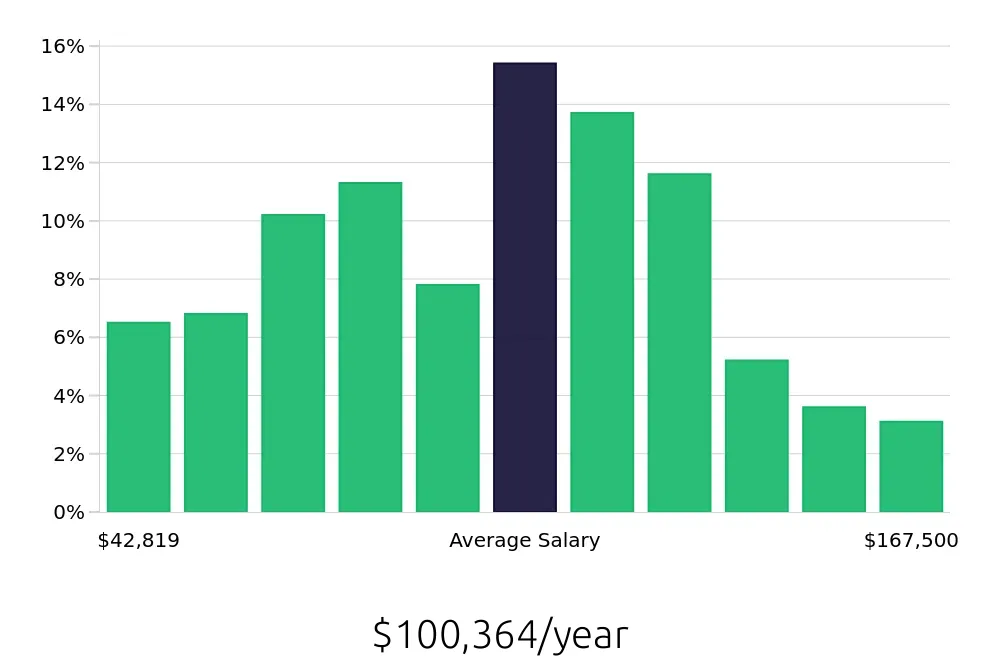
Environmental Health Safety Managers play a crucial role in ensuring workplace safety and compliance with environmental regulations. They help organizations avoid fines and maintain a safe work environment, which is a growing priority for many companies. This increased demand for their skills contributes to the steady job growth in this field. With the average annual compensation at $81,690, this career offers both job security and a competitive salary.
According to the Bureau of Labor Statistics (BLS), the average hourly compensation for Environmental Health Safety Managers is $39.27. This figure underscores the value companies place on these professionals. Job seekers can look forward to a stable career with opportunities for advancement and a strong earning potential. With the job outlook steadily rising, now is an ideal moment to pursue a career in this essential role.
Currently 178 Environmental Health Safety Manager job openings, nationwide.
Continue to Salaries for Environmental Health Safety Manager