What does a Environmental Specialist do?
An Environmental Specialist works to protect the environment and ensure compliance with environmental laws and regulations. This role involves assessing and monitoring the impact of human activities on the environment. Specialists conduct environmental audits, perform inspections, and develop plans to reduce environmental harm. They also analyze data to track environmental trends and outcomes.
This position requires a strong understanding of environmental policies and regulations. Environmental Specialists often work in various sectors, including manufacturing, construction, and waste management. They collaborate with other teams to implement sustainable practices and promote environmental stewardship. They may also educate employees and stakeholders about environmental issues and best practices. This role is crucial in helping organizations achieve their sustainability goals and reduce their environmental footprint.
How to become a Environmental Specialist?
Becoming an Environmental Specialist offers a rewarding career focused on protecting our planet. This role combines science, research, and policy to ensure environmental health and safety. The following steps outline the path to achieving this career goal.
First, gaining the necessary education lays the foundation. Pursue a degree in environmental science, biology, or a related field. Look for programs accredited by relevant bodies. This step provides the essential knowledge and skills needed for the job.
- Obtain a bachelor's degree in environmental science, biology, or a related field.
- Gain practical experience through internships or volunteer work in environmental projects.
- Consider pursuing a master's degree for advanced roles and increased job opportunities.
- Obtain relevant certifications to enhance qualifications and stand out in the job market.
- Network with professionals in the field through industry events, workshops, and online forums.
Next, gain practical experience. Internships and volunteer work in environmental projects offer real-world experience. These opportunities provide hands-on skills and a deeper understanding of the industry.
Advanced education can further open doors. A master’s degree in environmental science or a related field can lead to higher-level positions. This step shows a commitment to the field and enhances job prospects. Additionally, certifications in areas like environmental management systems or hazardous waste operations can add value to a resume. Networking with industry professionals through events and forums also helps in making valuable connections and staying informed about industry trends.
How long does it take to become a Environmental Specialist?
Interested in environmental work? Understanding the journey can help you plan effectively. Most people find it takes about four years to become an Environmental Specialist. This includes both education and training.
First, you need a bachelor's degree. Common fields include environmental science, biology, or chemistry. You will take classes about ecology, geology, and pollution control. Internships and field work often accompany these studies. After college, some specialists need to complete further education or certifications. This step ensures they stay updated with regulations and practices.
Environmental Specialist Job Description Sample
The Environmental Specialist is responsible for ensuring compliance with environmental regulations and promoting sustainable practices within the organization. This role involves monitoring environmental performance, conducting assessments, and implementing initiatives to reduce the organization's environmental impact.
Responsibilities:
- Conduct regular environmental audits and assessments to ensure compliance with local, state, and federal regulations.
- Develop and implement environmental policies, procedures, and programs to minimize the organization's environmental footprint.
- Monitor and report on environmental performance metrics, including waste generation, energy consumption, and emissions.
- Provide training and education to employees on environmental policies and best practices.
- Collaborate with internal teams to integrate environmental considerations into business processes and decision-making.
Qualifications
- Bachelor’s degree in Environmental Science, Environmental Engineering, Sustainability, or a related field.
- Minimum of 3 years of experience in an environmental compliance or sustainability role.
- Strong knowledge of environmental regulations and standards (e.g., EPA, OSHA, Clean Air Act, Clean Water Act).
- Excellent analytical and problem-solving skills.
- Ability to communicate effectively with both technical and non-technical audiences.
Is becoming a Environmental Specialist a good career path?
An Environmental Specialist works to protect the environment. They help businesses and governments follow rules. They study land, air, and water. They check for pollution and suggest ways to improve the environment. This job can be rewarding for those who love nature and want to make a difference.
Working as an Environmental Specialist has many benefits. They help keep our world clean and safe. They can work in many places, from offices to construction sites. This job also offers chances to travel and see new places. However, it is not without challenges. Specialists may face tight deadlines and need to work long hours. They also work with complex laws and regulations. It can be tough to balance job demands and environmental goals.
Consider these pros and cons before choosing this career path:
- Pros:
- Helps protect the environment.
- Variety of work locations.
- Opportunities to travel.
- Job stability as environmental issues grow.
- Cons:
- May face tight deadlines.
- Long hours can be demanding.
- Complex laws and regulations to understand.
- Balancing job demands with environmental goals can be tough.
What is the job outlook for a Environmental Specialist?
If you're searching for a career in environmental protection, becoming an Environmental Specialist is a smart choice. According to the Bureau of Labor Statistics (BLS), there are around 9,600 job openings for Environmental Specialists each year. This means that there are many chances to find work in this field. Over the next decade, the job outlook looks promising, with an expected 5.6% growth from 2022 to 2032. This growth is higher than the average for all occupations, making it a solid career path.
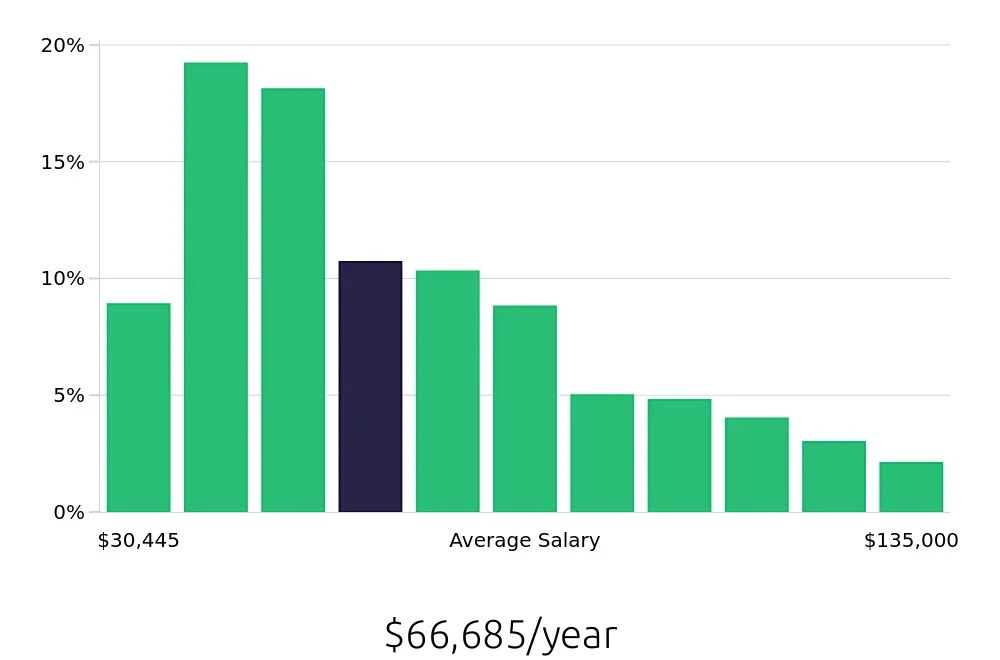
Environmental Specialists enjoy a rewarding career that pays well. On average, these professionals earn about $91,060 annually. That translates to roughly $43.78 per hour. Compensation often depends on factors like experience, location, and industry. With more job openings expected, it’s a field with good earning potential. This average compensation makes the role attractive for those committed to environmental issues.
To succeed as an Environmental Specialist, one needs a mix of education and skills. Most employers require at least a bachelor's degree in environmental science, biology, or a related field. Skills such as analytical thinking, problem-solving, and knowledge of environmental regulations are also crucial. This combination of education and skill set prepares job seekers for the challenges and opportunities in this growing field.
Currently 418 Environmental Specialist job openings, nationwide.
Continue to Salaries for Environmental Specialist