What does a Escrow Officer do?
An Escrow Officer handles secure transactions between buyers and sellers. This role involves ensuring that all terms of a transaction are met before funds or assets are released. The Escrow Officer works with clients to collect necessary documents and information. They must maintain strict confidentiality and adhere to legal guidelines throughout the process. This position requires strong organizational skills and attention to detail. Escrow Officers often communicate with all parties involved to provide updates and answer questions. They play a crucial role in maintaining trust and fairness in financial transactions.
Responsibilities of an Escrow Officer include managing the escrow account, preparing closing documents, and coordinating between parties. They must verify that all conditions specified in the escrow agreement are met before releasing funds. The Escrow Officer also handles any issues or disputes that may arise during the transaction. Their goal is to facilitate a smooth and secure process for all involved. Attention to detail and excellent communication skills are essential for this role. Escrow Officers work in various industries, including real estate, finance, and legal services.
In summary, an Escrow Officer ensures that transactions are conducted safely and fairly. They manage the escrow process, maintain communication, and handle any issues that may occur. This role is vital for ensuring that all parties fulfill their obligations. Escrow Officers must be meticulous and trustworthy, as they hold and manage important financial assets during transactions.
How to become a Escrow Officer?
Becoming an Escrow Officer involves several steps. Escrow Officers manage financial transactions, ensuring that all parties fulfill their obligations. This role requires attention to detail and a strong understanding of financial regulations. Follow these steps to start this rewarding career.
First, a high school diploma or equivalent is necessary. Next, gaining relevant experience through internships or entry-level jobs in finance or real estate can be helpful. Obtaining a bachelor's degree in business, finance, or a related field is also beneficial. Some states require Escrow Officers to be licensed, so checking local requirements is important. Finally, continuing education and professional certifications can enhance skills and job prospects.
- Complete high school or get an equivalent diploma.
- Gain experience in finance or real estate through internships or entry-level jobs.
- Earn a bachelor's degree in business, finance, or a related field.
- Check if your state requires a license and apply if needed.
- Pursue continuing education and professional certifications.
How long does it take to become a Escrow Officer?
Embarking on a career as an Escrow Officer involves a clear path with defined steps. This role requires a mix of education, experience, and certification. Most Escrow Officers start by completing a bachelor’s degree in finance, business, or a related field. This foundational education usually takes four years.
After earning a degree, gaining experience in a financial or legal environment is crucial. This often means working in roles such as a bank teller, loan officer, or paralegal assistant. Experience can range from one to three years, depending on the individual’s career trajectory and the requirements of the specific escrow company. Finally, Escrow Officers need to pass an exam and obtain a state license, which adds another layer of preparation. The total time from starting a bachelor’s degree to becoming a fully licensed Escrow Officer generally spans five to seven years.
Escrow Officer Job Description Sample
An Escrow Officer is responsible for managing and safeguarding the financial transactions of clients during various business operations. They ensure all parties involved adhere to contractual agreements and facilitate secure transaction processes.
Responsibilities:
- Oversee and manage the escrow process, ensuring all parties adhere to the terms of their agreements.
- Safeguard funds and documents in escrow accounts, maintaining accuracy and confidentiality.
- Communicate with clients, buyers, and sellers to provide updates and resolve any issues that may arise.
- Review and verify all documents and financial transactions to ensure compliance with legal and company standards.
- Collaborate with legal professionals and other stakeholders to facilitate the closing of transactions.
Qualifications
- Bachelor’s degree in Finance, Law, Business Administration, or a related field.
- Proven experience as an Escrow Officer or in a similar role within the financial or real estate industry.
- In-depth knowledge of escrow processes, financial transactions, and relevant regulations.
- Strong attention to detail and accuracy in managing financial records and documents.
- Excellent organizational and multitasking skills.
Is becoming a Escrow Officer a good career path?
Escrow Officers play a crucial role in real estate transactions. They handle the secure storage of funds and documents until the deal closes. This position requires careful attention to detail and strong organizational skills. Escrow Officers manage both residential and commercial properties, ensuring everything proceeds smoothly.
Working as an Escrow Officer offers several benefits. It provides a stable career with good job security. The role often includes a mix of office work and client interactions, making each day varied. Escrow Officers also have the opportunity to learn about property law and financial transactions. However, this career has its challenges. The job can be stressful, especially during peak times. Escrow Officers must meet tight deadlines and handle sensitive information with care.
Here are some pros and cons to consider:
- Pros:
- Job security
- Varied daily tasks
- Opportunities to learn
- Cons:
- High stress levels
- Tight deadlines
- Need for careful handling of sensitive information
What is the job outlook for a Escrow Officer?
The job outlook for Escrow Officers is positive, with an average of 6,300 job positions available each year according to the BLS. This stable demand highlights the importance of Escrow Officers in the financial and real estate sectors. The industry is expected to grow by 19.5% from 2022 to 2032, offering good prospects for job seekers.
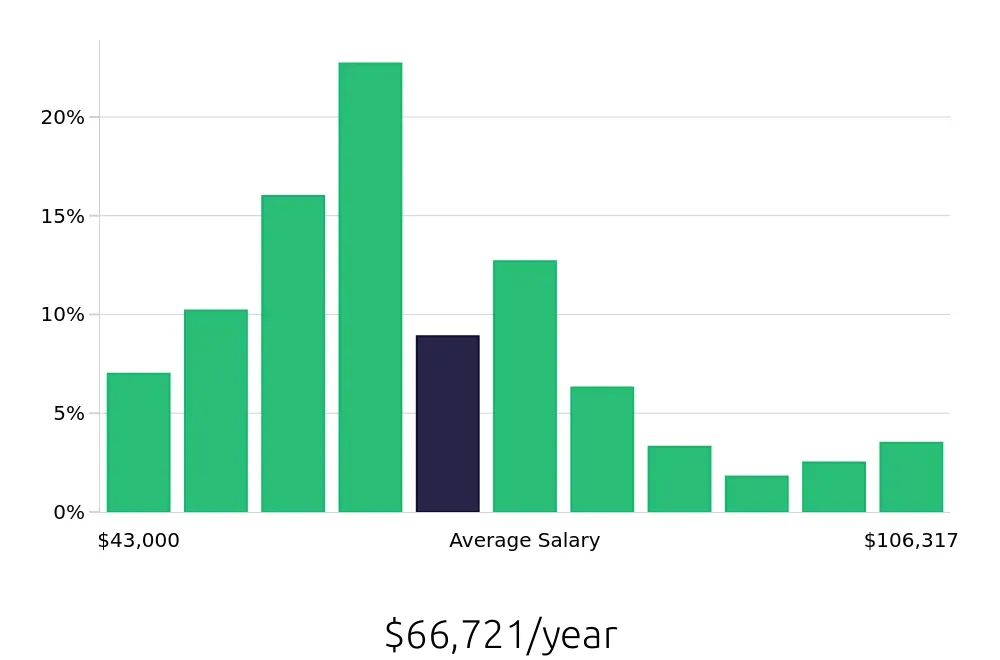
Escrow Officers can expect a competitive average annual compensation of $98,140. This figure reflects the value and skill level required for this role. Additionally, the average hourly rate stands at $47.18, indicating a well-compensated career path. These figures make Escrow Officer a lucrative choice for those seeking stability and growth in their careers.
Job seekers entering this field can look forward to a positive job market and attractive earnings. With the BLS projecting a growing need for Escrow Officers, professionals in this role can enjoy both job security and financial rewards. This combination makes it an appealing career choice for those looking to build a stable and prosperous career.
Currently 80 Escrow Officer job openings, nationwide.
Continue to Salaries for Escrow Officer