What does a Events Director do?
An Events Director plays a key role in planning and managing events. This position involves coordinating activities that ensure events run smoothly. It requires strong organizational skills and a keen eye for detail.
The Events Director collaborates with vendors, stakeholders, and team members. This role includes selecting venues, arranging logistics, and overseeing budgets. The director ensures that all aspects of the event meet the client's expectations. They manage schedules, communicate with participants, and handle any issues that arise. Success in this role comes from excellent time management and problem-solving skills.
Responsibilities of the Events Director may include:
- Planning and coordinating events
- Managing budgets and expenses
- Selecting and negotiating with vendors
- Communicating with clients and team members
- Ensuring smooth event execution
- Handling any issues that arise during the event
How to become a Events Director?
Becoming an Events Director can open up many doors in the industry of event management. This role involves organizing, coordinating, and managing events of all sizes. It requires a mix of creativity, organization, and leadership skills. Follow these steps to start a career as an Events Director.
First, gain a strong understanding of event planning. This includes learning about logistics, budgeting, and marketing. Look into courses or certifications in event management. They can provide valuable knowledge and credentials. Next, build experience in the field. Volunteer for events or intern with event planning companies. This hands-on experience is crucial. It helps you learn the ins and outs of event management.
- Obtain relevant education and certifications.
- Gain practical experience through internships or volunteering.
- Network with professionals in the event industry.
- Develop a portfolio showcasing your work.
- Apply for entry-level positions to start your career.
After gaining experience, network with professionals in the event industry. Attend industry events, join professional organizations, and connect with others on LinkedIn. Building a strong network can lead to job opportunities. Create a portfolio that showcases your work. Include details of events you have planned, budgets you managed, and outcomes you achieved. A strong portfolio helps demonstrate your skills to potential employers. Finally, apply for entry-level positions in event management. Look for roles that can help you gain more experience and move up in the industry.
How long does it take to become a Events Director?
The journey to becoming an Events Director can vary in length. Typically, it takes about four to six years. This includes getting a college degree and gaining necessary experience. Most Events Directors hold a Bachelor’s degree in Event Management, Business Administration, or a related field. They often start with internships or entry-level positions.
After earning a degree, the next step involves gaining practical experience. Many begin in roles such as event coordinators or assistants. They work on small events to learn the skills needed for bigger ones. With time and hard work, professionals can advance to managing larger events. This often takes an additional two to three years. Networking, building a portfolio, and seeking mentorship also play key roles in this process. Gaining experience allows individuals to refine their skills and gain the confidence needed to take on more responsibility.
Events Director Job Description Sample
An Events Director is responsible for the end-to-end management and execution of corporate and social events. They are tasked with coordinating, planning, and overseeing events to ensure they run smoothly and achieve their objectives. The Events Director collaborates with various stakeholders, including vendors, clients, and team members, to create memorable experiences.
Responsibilities:
- Develop and execute event plans and strategies that align with organizational goals.
- Coordinate with clients to understand their needs and preferences for events.
- Manage event budgets, including cost estimation, vendor negotiation, and financial tracking.
- Oversee the selection and coordination of event venues, catering, audio-visual equipment, and other logistics.
- Arrange for the recruitment, training, and supervision of event staff and volunteers.
Qualifications
- Bachelor’s degree in Event Management, Hospitality Management, or a related field.
- Proven experience (at least 5 years) in event management, preferably in a directorial or senior role.
- Excellent organizational, planning, and time-management skills.
- Strong communication and interpersonal skills to interact effectively with clients and vendors.
- Proficiency in event management software and tools.
Is becoming a Events Director a good career path?
Events Directors organize and manage events. They work in various sectors, including corporate, entertainment, and hospitality. This role involves planning, coordinating, and executing events from start to finish. Events Directors ensure that all aspects of an event run smoothly.
Being an Events Director offers many opportunities and challenges. Working in this role can lead to a variety of experiences. Events Directors often have the chance to work on diverse projects, from small gatherings to large conferences. They can develop strong organizational and leadership skills. However, the job can also be demanding. Long hours and high-pressure situations are common. Working weekends and holidays might be necessary. Events Directors need to be flexible and ready to adapt to changing plans quickly.
Consider these pros and cons before pursuing a career as an Events Director:
- Pros:
- Variety in work
- Opportunity to meet new people
- Development of key skills
- Cons:
- Long and unpredictable hours
- High-pressure environments
- Possible need to work weekends and holidays
What is the job outlook for a Events Director?
The job outlook for Events Directors is positive. Each year, there are about 15,200 new job openings. This means plenty of opportunities for those interested in this career. The Bureau of Labor Statistics (BLS) predicts a 7.5% growth in job openings from 2022 to 2032. This growth is a strong sign for job seekers. With the rise of events and celebrations, demand for skilled Events Directors continues to increase.
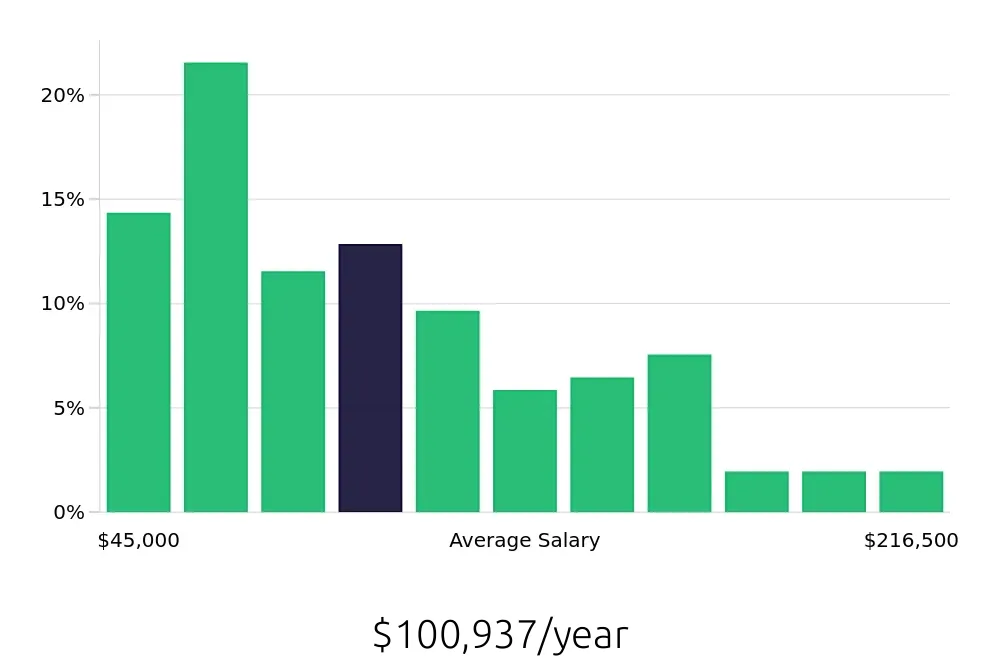
Events Directors earn a good salary. On average, they make about $62,280 per year. This means steady income and potential for growth. According to BLS data, hourly pay averages around $29.94. This compensation reflects the important role Events Directors play in organizing and managing successful events. With experience and skill, earnings can increase further. This makes the career both rewarding and financially viable.
Job seekers should take advantage of these positive trends. The combination of steady job openings, salary potential, and career growth make this a promising field. The BLS data shows a favorable outlook. Events Directors can expect to find rewarding opportunities and continued demand for their skills. This is a good time for those looking to start or advance in this career.
Currently 57 Events Director job openings, nationwide.
Continue to Salaries for Events Director