What does a Facilities Supervisor do?
The Facilities Supervisor oversees the smooth running of facility operations. This role ensures the environment is safe, clean, and operational. The supervisor coordinates maintenance activities and coordinates with vendors for repairs and supplies. They manage the facility's energy and water usage, aiming to reduce costs and promote sustainability. The supervisor also ensures that all equipment is in good working order and schedules regular inspections.
This position involves direct communication with staff to understand their needs. It involves coordinating training sessions on the proper use of equipment and safety protocols. The supervisor also handles scheduling and logistics for facility events and meetings. They maintain accurate records of maintenance activities, inventory, and expenditures. The Facilities Supervisor plays a key role in maintaining a positive and productive workplace environment.
How to become a Facilities Supervisor?
Becoming a Facilities Supervisor involves several key steps. This career path requires a blend of education, experience, and specific skills. Taking these steps can lead to a successful career in facilities management.
To start, obtain a high school diploma or GED. This is the minimum educational requirement for most entry-level positions. Next, gain experience in facilities management or a related field. Working as a maintenance technician or custodial worker can provide valuable hands-on experience. Experience with facility management software and equipment is also beneficial.
- Earn a high school diploma or GED.
- Gain experience in facilities management.
- Consider further education or training.
- Develop key skills.
- Network and seek job opportunities.
Consider further education or training. Many employers prefer candidates with an associate or bachelor’s degree in facilities management, business administration, or a related field. Some community colleges and technical schools offer relevant programs. Certifications from organizations like the International Facility Management Association (IFMA) can also improve job prospects.
Develop key skills. Strong communication, problem-solving, and leadership skills are essential. Familiarity with building systems, safety regulations, and budgeting is also important. Practical experience with maintenance tasks and equipment is crucial. Networking with professionals in the field can provide insights and job leads. Seek out job openings through online job boards, industry associations, and company websites.
How long does it take to become a Facilities Supervisor?
The path to becoming a Facilities Supervisor can vary based on several factors, including education, experience, and the specific requirements of the employer. Typically, a high school diploma is the minimum requirement. Many employers prefer candidates with an associate degree or vocational training in facilities management or a related field. Gaining experience in roles such as maintenance technician, facilities coordinator, or similar positions can also boost job prospects.
Most aspiring Facilities Supervisors spend between two to five years preparing for the role. This period includes formal education and hands-on experience. Some may start as entry-level employees and work their way up through promotions. Others might attend specialized training programs or earn certifications that enhance their skills and marketability. Having a clear understanding of the industry and networking with professionals can also speed up the process. This diverse journey allows candidates to build a solid foundation of knowledge and skills, making them strong contenders for the Facilities Supervisor position.
Facilities Supervisor Job Description Sample
We are seeking a dedicated Facilities Supervisor to oversee the day-to-day operations of our facilities. The ideal candidate will ensure that all facilities are well-maintained, safe, and compliant with all regulatory requirements.
Responsibilities:
- Supervise and coordinate the work of maintenance and custodial staff.
- Develop and implement maintenance schedules, ensuring all facilities are in top condition.
- Oversee the procurement and maintenance of equipment and supplies.
- Ensure compliance with all safety and regulatory standards.
- Collaborate with other departments to address facility-related needs.
Qualifications
- Proven experience in facilities management or a related field.
- Strong knowledge of building maintenance, safety regulations, and emergency procedures.
- Excellent organizational and leadership skills.
- Ability to manage budgets and handle financial transactions.
- Strong communication and interpersonal skills.
Is becoming a Facilities Supervisor a good career path?
A Facilities Supervisor plays a key role in ensuring that buildings and facilities run smoothly. This job involves overseeing maintenance, safety, and the use of resources. It is a role that requires a mix of management skills and technical knowledge. Facilities Supervisors work in many different industries, from schools to hospitals to large corporations.
Facilities Supervisors enjoy several benefits. They get to work in a hands-on environment and often have the chance to work outdoors. They also help create a safe and comfortable place for people to work. However, this job can be challenging. Facilities Supervisors often work long hours, sometimes on weekends or holidays. They need to handle emergencies quickly and may face tight budgets or deadlines. Knowing these pros and cons can help job seekers decide if this career path is right for them.
Here are some pros of being a Facilities Supervisor:
- Works in many different industries
- Helps create safe and comfortable workplaces
- Gets to work hands-on and sometimes outdoors
Here are some cons to think about:
- Often works long hours, including weekends or holidays
- Needs to handle emergencies quickly
- May face tight budgets or deadlines
What is the job outlook for a Facilities Supervisor?
The role of a Facilities Supervisor offers a promising career path for job seekers aiming for stability and growth. According to the Bureau of Labor Statistics (BLS), there are typically around 49,200 job openings each year. This steady demand suggests a good opportunity for professionals to enter this field. The projected change in job openings from 2022 to 2032 stands at a positive 2.4%, indicating consistent growth in the sector.
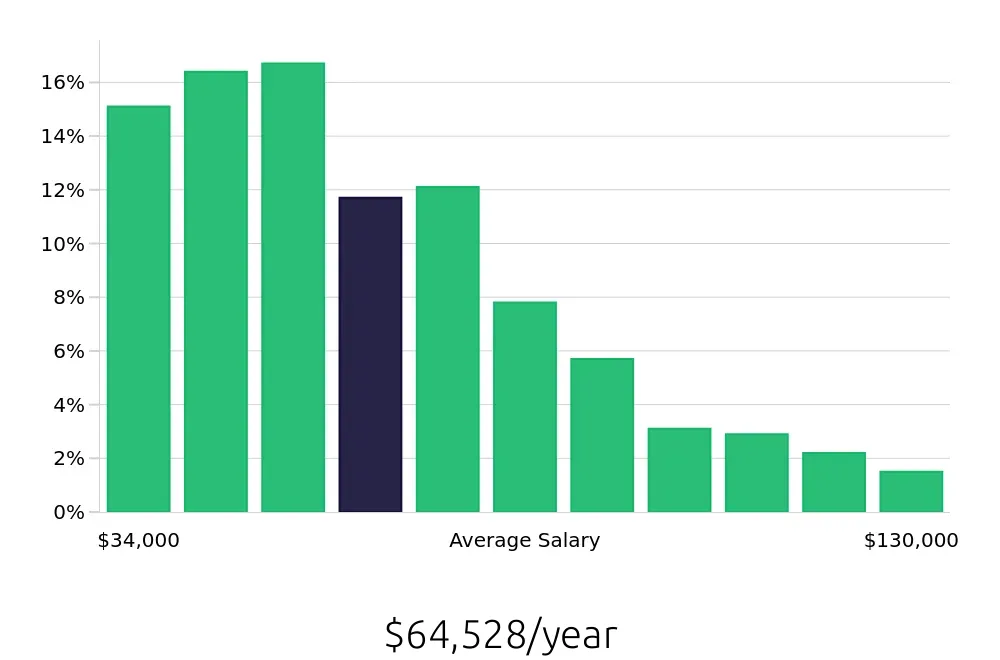
For those considering this career, the financial rewards are notable. The BLS reports an average national annual compensation of $79,020. This figure underscores the value placed on skilled Facilities Supervisors in maintaining and managing various facilities. Additionally, the average national hourly compensation is $37.99, reflecting the expertise and responsibilities that come with the role. These figures highlight the potential for a rewarding salary and financial stability.
Job seekers interested in this field can look forward to entering a sector that values their skills and offers competitive pay. The data from the BLS supports the idea that this career path is both accessible and lucrative. With a stable job market and attractive compensation, a role as a Facilities Supervisor can be a strategic choice for those seeking long-term employment and financial growth.
Currently 670 Facilities Supervisor job openings, nationwide.
Continue to Salaries for Facilities Supervisor