What does a Facility Manager do?
A Facility Manager oversees and coordinates all aspects of a building's operations. This role ensures that the physical space remains safe, functional, and efficient. Facility Managers work with maintenance staff, security, and other departments to create a comfortable and productive environment. They handle everything from maintenance schedules to emergency preparedness. Facility Managers strive to make the workplace run smoothly and effectively.
Specific duties of a Facility Manager include managing budgets, coordinating repairs, and ensuring compliance with health and safety regulations. They also handle vendor management, inventory control, and security measures. Facility Managers communicate with building occupants, addressing any issues or concerns. They work to improve the overall functionality and appearance of the facility. This role is crucial for maintaining a positive and efficient workplace.
How to become a Facility Manager?
Becoming a Facility Manager offers a fulfilling career in property and building management. This role requires skills in maintaining and overseeing the operations of various facilities. The process to reach this position involves several important steps. Follow this guide to start or advance in your career as a Facility Manager.
First, gain the necessary education and experience. Most employers look for candidates with at least a high school diploma or equivalent. Further education, such as a bachelor's degree in facility management, construction management, or a related field, can be advantageous. Experience in related roles, like maintenance or customer service, is also valuable.
- Earn relevant qualifications: Consider pursuing certifications such as Certified Facility Manager (CFM) or Facility Management Professional (FMP) to enhance credibility.
- Develop key skills: Focus on building skills in communication, project management, budgeting, and problem-solving. These skills are crucial for managing facility operations effectively.
- Gain practical experience: Work in roles that offer hands-on experience in facility management. Internships or entry-level positions in maintenance, operations, or property management are beneficial.
- Network within the industry: Join professional organizations like the International Facility Management Association (IFMA). Attend conferences, workshops, and seminars to connect with industry professionals and learn about job opportunities.
- Apply for positions: Use online job boards, company websites, and professional networks to find openings. Tailor your resume and cover letter to highlight your skills and experience relevant to facility management.
How long does it take to become a Facility Manager?
Interested in becoming a Facility Manager? This career path can take different lengths of time, depending on your starting point. Typically, individuals start with a high school diploma or equivalent. They may then choose to pursue a college degree in a relevant field. This can add around two to four years to the timeline.
For those with prior experience in related roles, earning a bachelor’s degree can often take two to four years. Some Facility Managers opt to further their education with a master’s degree, extending the timeline by an additional one to two years. People with extensive industry experience may also enter this role through professional certifications or by gaining relevant work experience. On average, becoming a Facility Manager takes between two to six years, making it a rewarding career choice for those willing to invest the necessary time and effort.
Facility Manager Job Description Sample
The Facility Manager is responsible for overseeing the maintenance, operation, and management of physical spaces to ensure a safe, efficient, and productive environment. This role requires excellent organizational, leadership, and problem-solving skills.
Responsibilities:
- Oversee daily operations and maintenance of facility
- Manage and coordinate with contractors and vendors for repairs and improvements
- Develop and implement policies and procedures for facility management
- Ensure compliance with health, safety, and environmental regulations
- Manage facility budgets and control expenses
Qualifications
- Bachelor's degree in Facilities Management, Business Administration, or a related field
- Minimum of 5 years of experience in facility management or a related role
- Strong knowledge of building systems, maintenance procedures, and safety regulations
- Excellent leadership and team management skills
- Strong problem-solving and decision-making abilities
Is becoming a Facility Manager a good career path?
Facility managers oversee the operation and maintenance of buildings. They make sure everything runs smoothly, from the heating system to the security setup. This job demands strong leadership skills and the ability to handle various tasks. Facility managers work in many settings, including offices, schools, and hospitals.
Working as a facility manager offers many benefits. Facility managers can see their hard work in the physical world, which can be very rewarding. They often have the chance to meet and work with a wide range of people. They also have opportunities for career growth, such as moving up to higher management roles. On the downside, facility managers may face stressful situations, like emergency repairs. They often work long hours, including weekends and holidays. Some may feel frustrated if they cannot quickly resolve a problem.
Here are some pros and cons to consider about this career:
- Pros:
- Direct impact on the workplace environment
- Diverse work opportunities
- Potential for career advancement
- Cons:
- Potential for high-stress situations
- Long and irregular work hours
- Possibility of frustration due to unresolved issues
What is the job outlook for a Facility Manager?
The job outlook for Facility Managers looks promising for those looking to enter or advance in this field. The Bureau of Labor Statistics (BLS) reports an average of 7,700 job openings annually. This number suggests a steady demand for professionals who can manage and oversee the operations of buildings and facilities. Job seekers can feel confident about the opportunities available in this sector.
In addition to the steady number of job openings, the BLS predicts a 2.7% increase in job opportunities from 2022 to 2032. This growth reflects the continuous need for skilled Facility Managers across various industries. Companies rely on these professionals to ensure that their facilities run smoothly, safely, and efficiently. This growth provides a positive outlook for those considering a career or a change in this field.
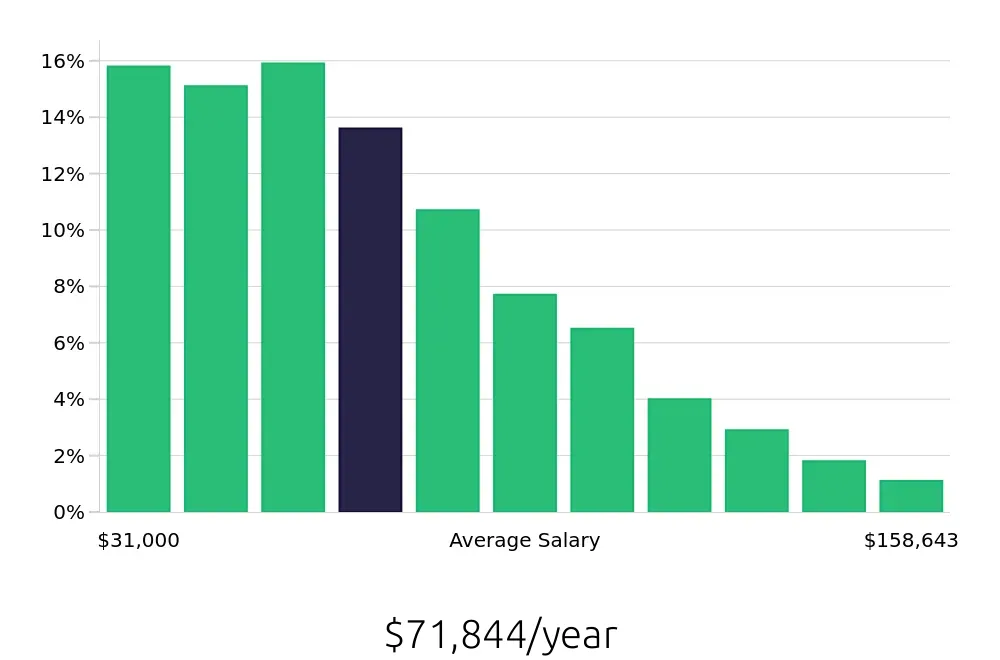
Facility Managers can also expect a competitive salary. According to the BLS, the average national annual compensation is $60,790. On an hourly basis, the average compensation is $29.23. These figures indicate a respectable income for those who excel in managing and maintaining facilities. With the combination of steady job opportunities and a good salary, becoming a Facility Manager can be a rewarding career choice.
Currently 328 Facility Manager job openings, nationwide.
Continue to Salaries for Facility Manager