What does a Family Support Specialist do?
A Family Support Specialist works with families to help them overcome challenges. They aim to improve family well-being and stability. This role involves offering guidance, resources, and support to families in need. Specialists often connect families with community services and programs. They also provide counseling and education on various topics. This helps families make informed decisions.
The Family Support Specialist listens to families and understands their needs. They create action plans tailored to each family’s unique situation. They work closely with parents, children, and other family members. They aim to create a supportive environment. Specialists often meet with families regularly. They track progress and make changes to the support plan as needed. This ensures that families receive the help they need to thrive.
How to become a Family Support Specialist?
Becoming a Family Support Specialist is a rewarding career that makes a positive impact on families. This role involves helping families navigate challenges and access resources. It requires a mix of skills and qualifications.
To start, it is important to understand the necessary steps. Follow these steps to embark on a successful path towards becoming a Family Support Specialist.
- Earn a High School Diploma or GED: Start with a strong foundation. Complete high school or get a GED. This is the first step towards any career.
- Pursue Higher Education: Consider a degree in social work, psychology, or a related field. A bachelor's degree is often needed for this role. It provides the knowledge and skills required for the job.
- Gain Experience: Look for internships or volunteer opportunities. Work with families in community settings. This hands-on experience is valuable. It helps build the necessary skills.
- Obtain Certification: Some regions require certification. Check local regulations. Certification adds credibility to the professional profile.
- Search for Job Openings: Use job boards and networking. Apply for positions in schools, non-profits, or government agencies. Tailor each application to the job description.
How long does it take to become a Family Support Specialist?
A Family Support Specialist helps families overcome challenges. This role often involves working with those in need of assistance with housing, education, and health services. The path to becoming one varies based on education and experience.
Most start with a high school diploma or equivalent. Some choose to pursue a certificate or associate's degree in social work or a related field. These programs usually take one to two years to complete. A bachelor’s degree, which takes about four years, can offer more job opportunities and higher pay. Advanced degrees or certifications can further enhance qualifications and career prospects.
Overall, the journey can take from a few months to several years. Each step brings new skills and knowledge to better serve families.
Family Support Specialist Job Description Sample
The Family Support Specialist plays a pivotal role in providing comprehensive support services to families in need, ensuring they have access to resources, guidance, and assistance to overcome challenges and enhance their overall well-being.
Responsibilities:
- Assess the needs of families through interviews, observations, and assessments to determine appropriate interventions and support plans.
- Develop and implement individualized family support plans that address the unique needs and goals of each family.
- Provide counseling, guidance, and education to families on various topics such as parenting skills, child development, financial management, and stress reduction.
- Connect families with community resources, services, and agencies to help them access necessary support such as healthcare, housing, employment, and educational opportunities.
- Advocate for the needs and rights of families, ensuring they have access to appropriate services and resources.
Qualifications
- Bachelor’s degree in Social Work, Psychology, Family Studies, or a related field. Master’s degree preferred.
- Proven experience working as a Family Support Specialist or in a similar role, preferably with a non-profit organization, community service agency, or government entity.
- Strong understanding of family dynamics, child development, and the social, emotional, and economic challenges that families face.
- Excellent communication, interpersonal, and counseling skills, with the ability to build rapport and trust with clients.
- Ability to assess needs, develop and implement support plans, and monitor progress effectively.
Is becoming a Family Support Specialist a good career path?
A Family Support Specialist plays a vital role in helping families navigate challenges and improve their quality of life. This job focuses on providing support, resources, and guidance to ensure family well-being. Specialists work with individuals and families in various settings, including community centers, social service agencies, and healthcare facilities. This career path combines social work, counseling, and advocacy skills, offering a meaningful and impactful role.
Working as a Family Support Specialist offers many benefits. One advantage is the opportunity to make a real difference in people's lives. Specialists provide crucial support and resources to help families overcome challenges. This work can lead to positive changes and improved outcomes for those they assist. Another benefit is the chance to work with a diverse range of clients. Each family has unique needs, allowing specialists to develop their skills and adapt their approach. Additionally, this career path offers various job opportunities across different sectors, including healthcare, education, and social services.
However, there are some challenges to consider. One potential drawback is the emotional toll of working with families facing difficulties. Specialists often deal with sensitive and challenging situations, which can be emotionally draining. Another consideration is the need for strong communication and interpersonal skills. Building trust and rapport with clients is essential, requiring specialists to be patient and empathetic. The role can also involve long hours and some unpredictability, as the needs of families can change rapidly.
Here are some pros and cons to consider:
- Pros:
- Help make a real difference in people's lives
- Work with diverse clients and families
- Variety of job opportunities across different sectors
- Cons:
- Emotional toll of working with challenging situations
- Need for strong communication and interpersonal skills
- Long hours and unpredictability in the role
What is the job outlook for a Family Support Specialist?
Job seekers looking to become Family Support Specialists can find a promising job outlook. The Bureau of Labor Statistics (BLS) reports that there are an average of 63,800 job positions per year. This number shows a steady demand for professionals in this role. For those interested in growth, the BLS predicts a 7.4% increase in job openings from 2022 to 2032. This growth highlights a positive trend for those entering the field.
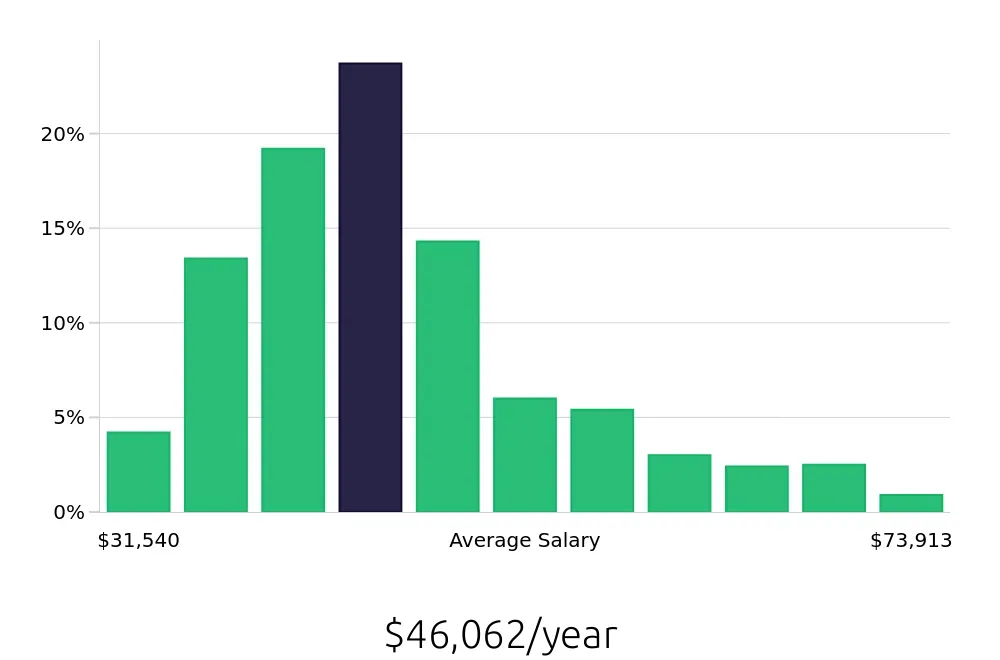
Family Support Specialists can also expect competitive compensation. The BLS reports an average national annual salary of $62,880. This means professionals can expect a stable income. Hourly, the average compensation stands at $30.23, providing further assurance of earning potential. This financial stability makes the role attractive to many job seekers.
Overall, the field of Family Support Specialist offers a blend of job security and growth opportunities. The consistent job openings and positive growth outlook make it a field worth considering. Combined with a solid salary, this role provides both professional fulfillment and financial stability.
Currently 424 Family Support Specialist job openings, nationwide.
Continue to Salaries for Family Support Specialist