Position
Overview

What does a Fence Installer do?

A Fence Installer works on constructing fences for residential, commercial, and industrial properties. This role involves measuring the site, setting up posts, and installing fencing materials. Fence Installers ensure that fences are secure and meet local building codes. They use tools like hammers, saws, and measuring tapes to complete their work. Attention to detail is important to ensure the fence looks good and functions well.

Fence Installers often work outdoors in various weather conditions. They may need to lift heavy materials and work at heights. This job requires physical strength and the ability to follow instructions carefully. Good communication skills are also helpful when working with clients to understand their needs and preferences. Fence Installers may work independently or as part of a team, depending on the size of the project. This role offers the opportunity to see the results of their hard work in the form of a completed and functional fence.

View Fence Installer jobs nearby

How to become a Fence Installer?

Becoming a fence installer can lead to a rewarding career in the construction industry. This job involves building fences for homes, businesses, and other properties. It requires physical strength, attention to detail, and the ability to follow instructions. Here are the steps to start a career as a fence installer.

First, gain the necessary skills and knowledge. This includes understanding how to measure, cut, and install fencing materials. Learning about different types of fences, such as wood, vinyl, and chain link, is also important. Some fence installers start as apprentices, working under experienced professionals to learn the trade.

  1. Get the right tools and materials. Fence installers need specific tools, such as measuring tapes, saws, and hammers. They also need to know where to buy quality fencing materials. Having the right equipment can make the job easier and more efficient.
  2. Obtain any required licenses or certifications. Some areas require fence installers to have a license or certification. Check local regulations to see what is needed in your area. This step ensures you can legally work as a fence installer.
  3. Build a portfolio of work. Start by taking on small projects to build your portfolio. This can include fences for friends, family, or local businesses. A strong portfolio shows potential clients your skills and quality of work.
  4. Market your services. Use social media, local ads, and word-of-mouth to promote your services. Create a website to showcase your work and make it easy for clients to contact you. Networking with other professionals in the construction industry can also help you find new clients.
  5. Continue learning and improving. The construction industry is always changing, so it is important to stay updated on new techniques and materials. Attend workshops, read industry publications, and seek feedback from clients to improve your skills.

How long does it take to become a Fence Installer?

Learning to become a fence installer can take a few months to a year. Many people start with an apprenticeship. This hands-on training helps them learn the skills needed. Some may also take classes at a trade school. These classes can cover important topics like safety and design. Experience plays a big role in this job. Many installers gain more skills by working with a seasoned professional. This real-world experience helps them understand different types of fences and materials. With dedication and practice, someone can become a skilled fence installer in a short time.

The journey to becoming a fence installer can vary. Most people start with a high school diploma or GED. Some may choose to attend a vocational school or community college. These programs offer courses in carpentry, welding, and construction. They can last from a few months to two years. Hands-on experience is key. Many installers start as apprentices. They work under experienced professionals to learn the skills needed.

After completing formal training, new installers gain experience. They may work on small projects first. Over time, they take on larger and more complex jobs. This experience helps them build a portfolio. A strong portfolio can lead to more job opportunities. Experienced installers often work independently. They may start their own businesses or work for a contracting company. The time it takes to become a skilled fence installer depends on the individual's dedication and the opportunities they pursue. With the right training and experience, anyone can succeed in this field.

Fence Installer Job Description Sample

We are seeking a skilled Fence Installer to join our team. The ideal candidate will have experience in installing various types of fences, including wood, vinyl, and metal. This role requires a strong attention to detail, physical stamina, and the ability to work independently or as part of a team.

Responsibilities:

  • Install fences according to blueprints, specifications, and local building codes.
  • Measure, cut, and assemble fence components using appropriate tools and materials.
  • Ensure the stability and durability of fence installations by properly anchoring posts and securing connections.
  • Perform routine maintenance and repairs on existing fences.
  • Communicate with clients to understand their needs and provide recommendations on fence types and designs.

Qualifications

  • High school diploma or equivalent required; vocational training in carpentry or a related field is a plus.
  • Proven experience as a Fence Installer or similar role.
  • Proficiency in using hand and power tools, such as saws, drills, and measuring tapes.
  • Strong physical stamina and ability to work in various weather conditions.
  • Excellent attention to detail and commitment to quality workmanship.

Is becoming a Fence Installer a good career path?

Working as a fence installer offers a unique blend of physical labor and craftsmanship. This career involves measuring, cutting, and installing fences for residential and commercial properties. It requires a strong understanding of materials and tools, along with the ability to work outdoors in various weather conditions. Fence installers often work independently or in small teams, providing a mix of solitary tasks and collaborative projects.

The job market for fence installers remains steady, with opportunities in construction and landscaping sectors. This role can lead to various specializations, such as ornamental fencing, security fencing, or even automated gate installation. With the right skills and experience, a fence installer can advance to supervisory roles or start their own business.

Choosing a career as a fence installer has its advantages and challenges. Here are some pros and cons to consider:

  • Pros:
    • Opportunity to work outdoors and enjoy fresh air.
    • Potential for steady employment in growing markets.
    • Skills can be applied to various types of fencing projects.
    • Possibility to advance to supervisory roles or start a business.
  • Cons:
    • Physical demands can lead to fatigue and injury.
    • Work is often weather-dependent, with potential for delays.
    • Requires a strong understanding of tools and materials.
    • Limited indoor work, which may not suit everyone.

What is the job outlook for a Fence Installer?

The job outlook for Fence Installers shows a steady demand for professionals in this field. The Bureau of Labor Statistics (BLS) reports an average of 2,900 job positions available each year. This consistent number indicates a reliable career path for those entering the industry. Job seekers can expect a stable environment with opportunities to grow and develop their skills.

Despite the slight decrease of -0.7% in job openings from 2022 to 2032, the field remains promising. The average national annual compensation for Fence Installers stands at $46,650, according to the BLS. This figure reflects a competitive salary that can support a comfortable lifestyle. Additionally, the average hourly compensation is $22.43, offering good earning potential for those who work in this trade.

Fence Installers can look forward to a career that combines physical work with the satisfaction of creating functional and decorative structures. This role requires attention to detail and the ability to work with various materials. Job seekers interested in this field will find ample opportunities to build a rewarding career.

Currently 99 Fence Installer job openings, nationwide.

Continue to Salaries for Fence Installer

Learn about Fence Installer salaries, top-paying cities, and hiring companies. See how much you could earn!
Position
Salary
Salaries For Fence Installer
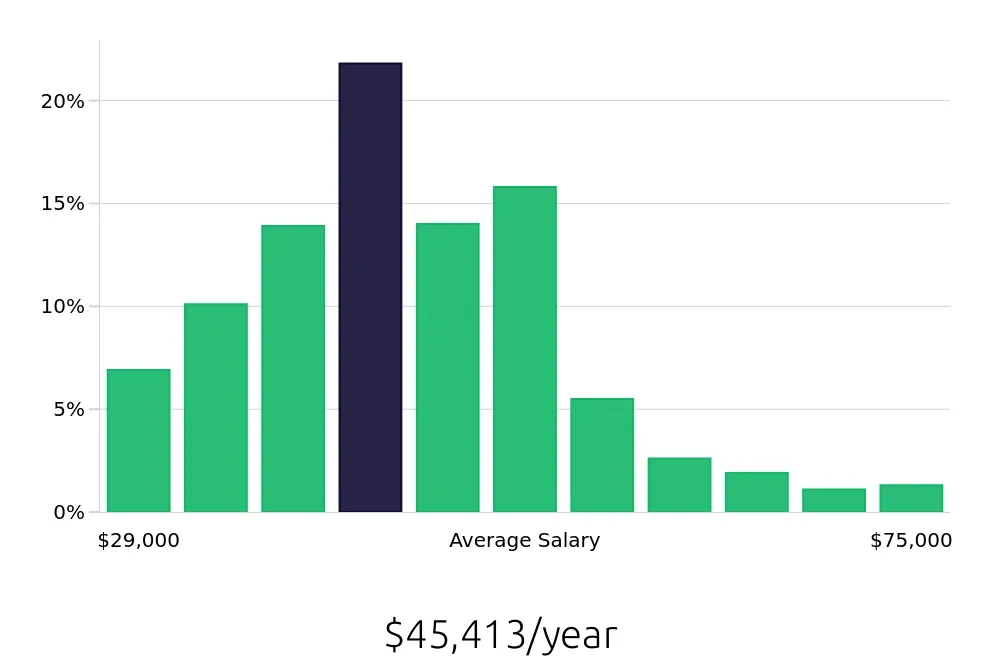
Averge salary $44,202 per year
Graph depicting the yearly salary distribution for Fence Installer positions, showing an average salary of $44,202 with varying distribution percentages across salary ranges.