What does a Finance Manager do?
A Finance Manager plays a crucial role in overseeing an organization's financial health. They analyze financial data, prepare budgets, and ensure that the company's financial resources are used wisely. A Finance Manager makes key decisions about investments, expenditures, and revenue generation. They work closely with other departments to provide financial advice and support strategic planning.
Responsibilities of a Finance Manager include financial forecasting, risk management, and compliance with financial regulations. They must communicate complex financial information clearly and concisely to non-financial stakeholders. The role requires strong analytical skills, attention to detail, and the ability to work under pressure. It is a dynamic position that demands continuous learning to keep up with financial trends and technologies.
How to become a Finance Manager?
Becoming a Finance Manager involves a series of strategic steps to gain relevant skills and experience. This career path requires dedication and a solid understanding of finance principles. By following a clear process, you can achieve your goal of becoming a Finance Manager.
Here are five essential steps to guide you through the journey:
- Earn a Degree: Start with a bachelor’s degree in finance, accounting, or a related field. This foundation is crucial for understanding financial concepts and practices.
- Gain Experience: Work in entry-level finance positions. These roles can include roles like accounting assistant or financial analyst. Experience in the finance industry builds your practical skills and industry knowledge.
- Obtain Certifications: Consider obtaining relevant certifications, such as the Certified Public Accountant (CPA) or Certified Management Accountant (CMA) credentials. These certifications enhance your credibility and marketability.
- Advance Your Career: Move into mid-level positions, like Senior Financial Analyst or Accounting Manager. These roles offer more responsibility and prepare you for senior management.
- Develop Leadership Skills: Seek opportunities to lead projects and teams. Strong leadership and management skills are vital for a Finance Manager. Look for roles where you can demonstrate these abilities.
How long does it take to become a Finance Manager?
The journey to becoming a Finance Manager involves several steps. This role often requires a solid educational foundation. Most employers look for candidates with at least a bachelor's degree in finance, accounting, or a related field. The length of this education can vary, typically taking four years if attending a traditional university full-time. Some may choose to pursue a master's degree to gain an edge in the job market, extending the timeline by an additional two years.
After completing education, practical experience becomes essential. Many aspiring Finance Managers start with entry-level positions such as financial analyst or accounting clerk. These roles help build necessary skills and understanding of financial management. The time spent in these positions can range from two to five years. Career advancement often follows through promotions within the organization, gaining experience in various areas of finance management. Gaining experience outside the company, through internships or other roles, can also help. This period may take anywhere from three to seven years, depending on the individual's career path and opportunities.
Finance Manager Job Description Sample
The Finance Manager is responsible for overseeing the financial health and operations of the organization. This role involves strategic planning, financial analysis, budgeting, and ensuring compliance with financial regulations. The Finance Manager will lead the finance team and provide leadership and guidance to ensure the organization's financial success.
Responsibilities:
- Develop and implement financial policies and procedures.
- Prepare and manage the annual budget and financial forecasts.
- Analyze financial data and trends to provide strategic recommendations.
- Ensure compliance with financial regulations and internal controls.
- Manage and oversee the accounting and finance team.
Qualifications
- Bachelor's degree in Finance, Accounting, or related field.
- CPA or MBA is preferred.
- Minimum of 5 years of experience in a finance leadership role.
- Strong knowledge of financial regulations and accounting principles.
- Excellent analytical, strategic, and problem-solving skills.
Is becoming a Finance Manager a good career path?
A Finance Manager plays a key role in overseeing the financial health of an organization. They analyze financial data, manage budgets, and plan for future financial needs. This role often involves working with other departments to make sure the company meets its financial goals. It is a position that requires strong analytical skills and attention to detail.
Being a Finance Manager comes with its own set of advantages and challenges. Understanding these can help professionals decide if this career path is right for them. Here are some pros and cons to consider:
- Pros:
- Strong earning potential. Finance Managers often earn competitive salaries.
- Job stability. Finance roles are in demand across many industries.
- Opportunity for advancement. This role can lead to higher positions like Chief Financial Officer.
- Cons:
- High stress. Meeting financial targets and handling budgets can be stressful.
- Long hours. The job may require working beyond regular hours, especially during budgeting or tax season.
- Pressure to perform. Mistakes can have significant financial consequences for the organization.
What is the job outlook for a Finance Manager?
Finance Managers enjoy a promising job outlook with a steady demand in the industry. According to the Bureau of Labor Statistics (BLS), there are approximately 69,600 job positions available each year. This indicates a consistent stream of opportunities for those entering the field. Moreover, the BLS projects a 16% increase in job openings from 2022 to 2032. This positive growth trend suggests that now is an excellent time for job seekers to pursue a career as a Finance Manager.
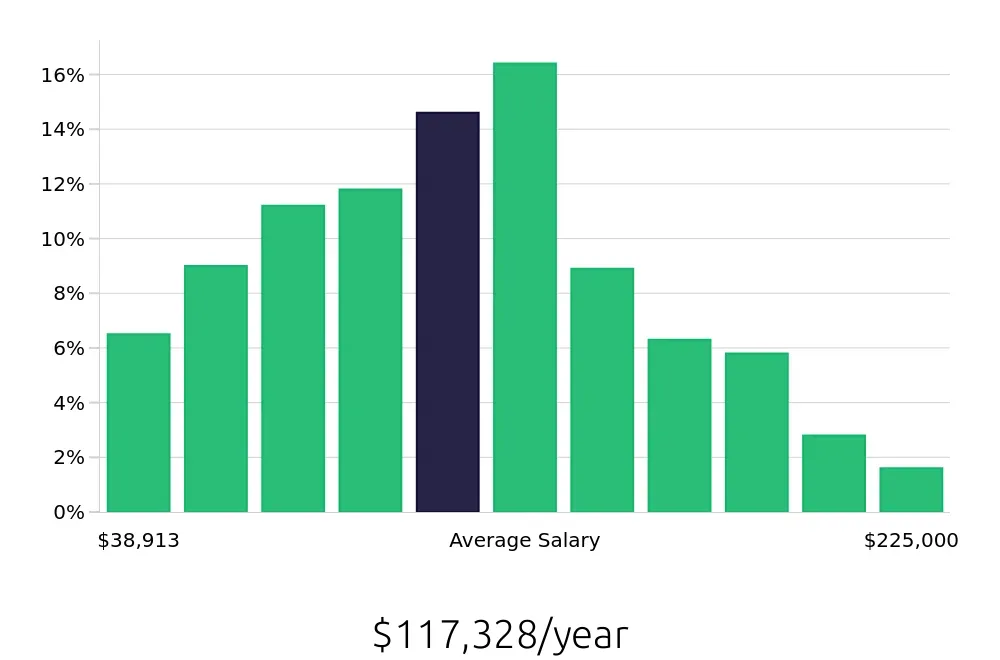
A lucrative aspect of this profession is the compensation. Finance Managers benefit from a competitive salary, with an average national annual compensation of $174,820. This substantial income reflects the importance of their role in managing a company's financial health and making strategic decisions. In addition to an attractive salary, Finance Managers also earn an average national hourly compensation of $84.05. This hourly rate underscores the value placed on their expertise and the critical nature of their responsibilities.
Job seekers considering a career in finance management can look forward to a fulfilling and rewarding path. The combination of a strong job outlook and competitive compensation makes this role highly desirable. With a growing number of positions available and a solid earnings potential, aspiring Finance Managers have many reasons to be optimistic about their future in this field. Explore the opportunities and take the next step towards a successful career in finance management.
Currently 1,857 Finance Manager job openings, nationwide.
Continue to Salaries for Finance Manager