What does a Financial Advisor do?
A Financial Advisor plays a crucial role in helping clients manage their finances effectively. They assess clients' financial situations, goals, and risk tolerance. Advisors then develop personalized financial plans. These plans may include investment strategies, retirement planning, and tax management. They also provide ongoing advice and support to ensure clients stay on track with their financial objectives.
Financial Advisors work closely with their clients, often meeting regularly to discuss progress and adjust plans as needed. They use a variety of tools and resources to analyze financial data and market trends. Advisors aim to maximize clients' wealth while minimizing risks. They also educate clients about different financial products and services. This helps clients make informed decisions about their money.
How to become a Financial Advisor?
Becoming a financial advisor can lead to a rewarding career in finance. It involves helping people manage their money and investments. Financial advisors need good knowledge of finance, strong communication skills, and a dedication to understanding clients' needs.
The path to becoming a financial advisor can be clear and achievable. Follow these steps to start your career in financial advising:
- Earn a Bachelor's Degree: Obtain a bachelor's degree in finance, business, or a related field. This education provides the foundation needed for a career in financial advising.
- Gain Experience: Work in the finance industry. Experience can include roles in banking, investment firms, or other financial sectors. This experience helps in understanding financial markets and clients' needs.
- Get Certified: Pass the necessary exams to get a financial advisor certification. Certifications like the Certified Financial Planner (CFP) are highly regarded in the industry.
- Open a Brokerage Account: Register with a brokerage firm to manage clients' investments. This step involves understanding the brokerage process and client management.
- Build a Client Base: Start by offering services to friends, family, and through networking. Building a client base is crucial for a successful career in financial advising.
How long does it take to become a Financial Advisor?
The path to becoming a Financial Advisor involves several important steps. Each step contributes to the development of the skills and knowledge needed for this role. Generally, it takes around 4 to 6 years to complete the necessary education and training. This includes a bachelor’s degree, often in business, finance, or a related field. After earning a degree, individuals must gain experience, typically through internships or entry-level positions in finance or banking. Following this, candidates need to pass the Financial Industry Regulatory Authority (FINRA) Series 7 exam. This exam tests knowledge of securities and financial markets. Additionally, most states require Financial Advisors to hold a state license, which often involves passing the Series 66 exam.
Professionals may also choose to pursue advanced certifications, such as the Certified Financial Planner (CFP) designation. This certification requires completing a stringent course of study and gaining at least three years of related experience. Those who earn the CFP designation demonstrate a high level of expertise and commitment to their field. Taking these additional steps not only enhances a Financial Advisor's qualifications but also increases their earning potential and job opportunities. With dedication and persistence, individuals can successfully navigate this journey and establish a rewarding career in financial advising.
Financial Advisor Job Description Sample
We are seeking a highly motivated Financial Advisor to join our team. The successful candidate will be responsible for providing expert financial advice to clients, helping them achieve their financial goals and objectives.
Responsibilities:
- Provide personalized financial advice to clients, taking into account their individual circumstances and goals.
- Conduct regular reviews of clients' financial situations and provide recommendations on how to improve their financial health.
- Develop and maintain strong relationships with clients, building trust and understanding their needs.
- Stay up-to-date with the latest financial trends and regulations, ensuring that advice is always accurate and relevant.
- Prepare and present financial plans and recommendations to clients, ensuring they understand the implications and benefits of the advice provided.
Qualifications
- Bachelor's degree in Finance, Business, Economics, or a related field.
- Certified Financial Planner (CFP) designation or equivalent is highly desirable.
- Proven experience as a Financial Advisor or similar role.
- Strong knowledge of financial products, services, and investment strategies.
- Excellent communication and interpersonal skills, with the ability to build and maintain strong client relationships.
Is becoming a Financial Advisor a good career path?
A career as a Financial Advisor offers many opportunities and challenges. Financial Advisors help individuals and businesses make smart decisions about their money. This can include planning for retirement, managing investments, and saving for big purchases.
Consider these points before starting this career path. Working as a Financial Advisor can be very rewarding. Advisors often build long-term relationships with clients. They can feel proud knowing they help people achieve their financial goals. Advisors usually work in a structured office environment. They often have the flexibility to set their own schedules. However, the job can also be demanding. Advisors often need to keep up with changes in financial laws and markets. This requires ongoing education and training. The job can also be stressful, especially when dealing with clients who have complex financial situations. Meeting sales targets can add to the pressure.
Below are some pros and cons to consider:
- Pros:
- Rewarding work helping others achieve financial goals.
- Potential for good income and bonuses.
- Flexible work hours and the option to work remotely.
- Cons:
- Requires ongoing education and staying updated on financial laws.
- Can be stressful, especially during economic downturns.
- Pressure to meet sales targets and client expectations.
What is the job outlook for a Financial Advisor?
The job outlook for Financial Advisors looks promising for aspiring professionals. The Bureau of Labor Statistics (BLS) reports an average of 61,300 job positions available each year. This figure offers ample opportunities for job seekers looking to enter this field. With a projected percent change of 8.2% from 2022 to 2032, growth in this sector is expected to be steady. These numbers highlight a positive trend for those considering a career in financial advising.
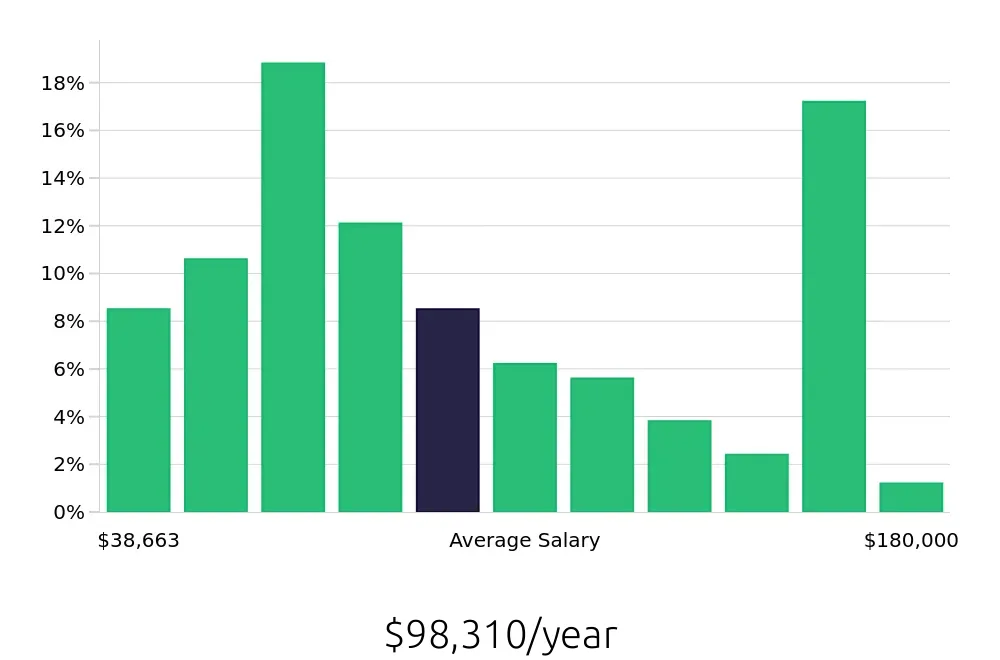
Financial Advisors enjoy a competitive average annual salary, with the BLS reporting a national average of $123,330. This compensation reflects the value placed on expertise in managing and advising on financial matters. In addition to a strong salary, Financial Advisors also earn an average of $59.29 per hour. This hourly rate underscores the demand for skilled professionals in this field. For job seekers, these figures indicate rewarding career prospects both in terms of income and job security.
For those aiming to enter the financial advisory field, the job outlook is encouraging. With an average of 61,300 positions open annually, the BLS data shows a robust job market. The projected 8.2% growth from 2022 to 2032 suggests an expanding demand for qualified Financial Advisors. Averaging $123,330 annually and $59.29 per hour, the financial rewards are significant. Job seekers can look forward to a stable and lucrative career in this sector.
Currently 1,884 Financial Advisor job openings, nationwide.
Continue to Salaries for Financial Advisor