What does a Financial Aid Advisor do?
A Financial Aid Advisor plays a pivotal role in helping students access financial support for their education. This professional works directly with students and families to explain financial aid options and guide them through the application process. Advisors assess each student’s financial situation and recommend the best financial aid packages.
Key responsibilities include reviewing and analyzing financial documents, creating personalized financial aid plans, and providing counseling on budgeting and financial management. Advisors ensure that students understand their rights and responsibilities regarding financial aid. They also keep up-to-date with changes in financial aid regulations and policies to provide accurate and timely advice.
How to become a Financial Aid Advisor?
Becoming a Financial Aid Advisor can open doors to a rewarding career in the education sector. This role involves helping students navigate the financial aid process and understand their options. It requires a blend of knowledge, skills, and dedication. Here are some steps to guide someone on this career path.
Start with gaining relevant education. A bachelor’s degree in finance, accounting, or a related field is often necessary. Some positions may require a master’s degree, especially for higher-level roles. Look for programs that offer coursework in financial aid, student loans, and budget management.
- Earn a Degree: Obtain a bachelor’s degree in a relevant field. This provides a solid foundation of knowledge.
- Gain Experience: Look for internships or entry-level jobs in financial aid offices. This hands-on experience is invaluable.
- Get Certified: Consider certifications like the Financial Aid Certification or the Certified College Financial Aid Specialist. These can enhance job prospects.
- Network: Connect with professionals in the field. Attend conferences, join professional organizations, and engage in online forums.
- Apply for Jobs: Search for positions at schools, colleges, and financial aid agencies. Tailor resumes to highlight relevant skills and experiences.
A career as a Financial Aid Advisor offers the chance to make a real difference in students’ lives. With the right education, experience, and certifications, anyone can succeed in this important role. Start today and take the first step toward a fulfilling career in financial aid.
How long does it take to become a Financial Aid Advisor?
The journey to becoming a Financial Aid Advisor varies. Typically, the process takes a few years. Most advisors hold a bachelor's degree. This usually takes four years to complete. Some choose to pursue a master's degree, adding another two years. The path includes gaining experience in higher education or financial aid.
After obtaining the necessary education, one must understand financial aid policies. This step involves studying and practicing. It can take several months to a year to feel confident. Many advisors gain experience through internships or entry-level positions. This experience helps them understand the work better. With enough knowledge and experience, the individual can apply for the Financial Aid Advisor role.
Financial Aid Advisor Job Description Sample
The Financial Aid Advisor plays a pivotal role in assisting students and families in navigating the complex financial aid process. This role involves evaluating eligibility, advising on financial aid options, and ensuring compliance with federal and institutional policies. The Advisor must possess a strong understanding of financial aid regulations and the ability to provide empathetic and knowledgeable support to students.
Responsibilities:
- Assist students and families in understanding and completing financial aid applications such as the FAFSA.
- Evaluate the financial situations of students to determine eligibility for various types of financial aid, including grants, scholarships, loans, and work-study programs.
- Provide detailed explanations of financial aid offers and explain the terms and conditions of financial aid packages.
- Advise students on budgeting, financial planning, and repayment options.
- Maintain up-to-date knowledge of federal, state, and institutional financial aid policies and communicate these changes to students and families.
Qualifications
- Bachelor’s degree in Finance, Economics, Business Administration, or a related field. A Master’s degree is preferred.
- Proven experience working in a financial aid or student services role within an educational institution.
- In-depth knowledge of federal and state financial aid regulations, including the FAFSA, Pell Grants, and student loan programs.
- Excellent communication and interpersonal skills with the ability to provide compassionate and effective advice to a diverse student population.
- Strong organizational and time-management skills with the ability to handle multiple tasks and deadlines.
Is becoming a Financial Aid Advisor a good career path?
A Financial Aid Advisor plays a crucial role in helping students navigate the complex world of financial aid. This professional works closely with students and families to determine eligibility for various financial aid options. Advisors assist in filling out forms, explaining eligibility criteria, and guiding students through the application process. The role demands strong communication skills, attention to detail, and a deep understanding of financial aid policies.
This career path offers several benefits. Advisors often enjoy a stable job market, as financial aid is a critical component of higher education. The role provides opportunities to make a significant impact on students' lives by helping them access education. Advisors also have the chance to work in various settings, from schools and colleges to private firms. However, the job comes with its challenges. Advisors must stay updated on ever-changing financial aid regulations, which can be time-consuming. The role can also be stressful, especially during peak application seasons.
Consider these pros and cons when thinking about a career as a Financial Aid Advisor.
- Pros:
- Help students achieve their educational goals
- Stable job market with consistent demand
- Opportunities to work in diverse settings
- Continuous learning about financial aid regulations
- Cons:
- Need to stay updated on changing regulations
- Potentially stressful during busy application periods
- Requires strong attention to detail and communication skills
- May involve long hours and deadlines
What is the job outlook for a Financial Aid Advisor?
The job outlook for Financial Aid Advisors is encouraging for those seeking to enter this field. According to the Bureau of Labor Statistics (BLS), there are about 27,700 new job openings each year. This steady demand provides ample opportunities for job seekers. With the projected job openings percent change from 2022 to 2032 at 3.1%, the field looks set for gradual growth.
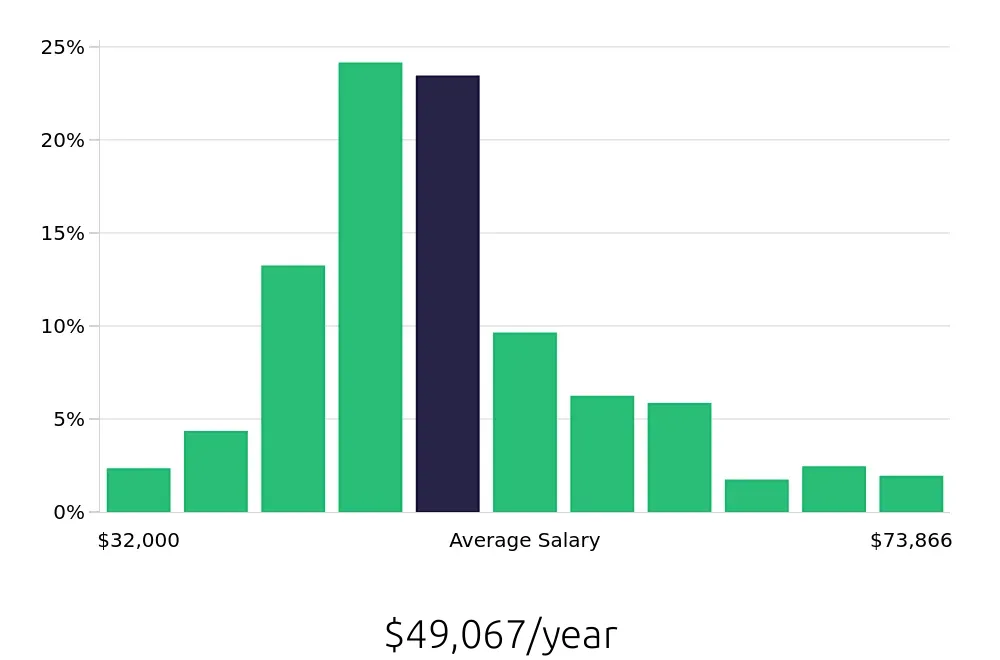
Financial Aid Advisors earn a competitive salary, which can be attractive to job seekers. On average, they make $82,000 annually. Hourly, the pay averages around $39.43. These figures reflect the value placed on the expertise and services that Financial Aid Advisors provide. This compensation can be a strong incentive for those considering this career path.
Apart from a stable job outlook and good salary, the role of a Financial Aid Advisor offers meaningful work. Advisors help students navigate the complexities of financial aid, making higher education more accessible. This impactful work can be very fulfilling for those who enjoy guiding others and contributing to their success.
Currently 164 Financial Aid Advisor job openings, nationwide.
Continue to Salaries for Financial Aid Advisor