What does a Financial Planning Manager do?
A Financial Planning Manager leads a team dedicated to creating and managing financial strategies for individuals and organizations. This role involves assessing financial goals, analyzing financial data, and developing personalized plans to help clients achieve their financial objectives. Financial Planning Managers collaborate with clients to understand their needs and provide guidance on investments, retirement planning, and tax strategies. Their expertise ensures clients make informed decisions to secure their financial future.
Key responsibilities of a Financial Planning Manager include overseeing financial planning projects, mentoring junior financial planners, and ensuring compliance with financial regulations. They must stay updated with financial trends and market conditions to provide accurate advice. Effective communication skills are essential to explain complex financial concepts clearly. Financial Planning Managers also manage client relationships and monitor the performance of financial plans to ensure they meet the clients' needs. Success in this role depends on a blend of analytical skills, attention to detail, and the ability to build trust with clients.
How to become a Financial Planning Manager?
Becoming a Financial Planning Manager involves a mix of education, experience, and certifications. Financial Planning Managers help people with their finances. They create plans for saving, investing, and managing money. Here is how someone can take the steps to reach this career goal.
First, earn a bachelor's degree in finance, economics, or a related field. This education lays the foundation for understanding financial concepts. Next, gain experience by working in roles like financial advisor or accountant. Aim for at least five years of experience in financial services. Certifications add value to a resume. Consider getting certifications from recognized bodies like the Certified Financial Planner (CFP) Board. This shows a deep understanding of financial planning.
Another step is to build a network within the industry. Attend conferences, join professional associations, and connect with others on LinkedIn. This network can lead to job opportunities and valuable insights. Lastly, stay updated with financial laws and trends. Continuous learning ensures a Financial Planning Manager remains knowledgeable and competitive.
- Earn a bachelor's degree in finance or a related field.
- Gain at least five years of experience in financial services.
- Obtain certifications like the Certified Financial Planner (CFP).
- Build a professional network within the industry.
- Stay updated with financial laws and trends.
How long does it take to become a Financial Planning Manager?
Financial planning managers oversee financial teams and help clients manage their money. This role often requires strong skills in finance, communication, and leadership. To reach this position, a mix of education, experience, and certifications plays a vital role.
The journey usually starts with a bachelor's degree in finance, economics, or a related field. Many find internships or entry-level positions during their studies to gain practical experience. After graduation, working as a financial advisor or analyst can build the necessary experience. Continuing education, such as obtaining certifications like Certified Financial Planner (CFP) or Chartered Financial Analyst (CFA), enhances qualifications. With dedication and hard work, professionals can reach this managerial role in about 5 to 10 years.
Financial Planning Manager Job Description Sample
The Financial Planning Manager is responsible for overseeing and directing the financial planning activities within the organization. This role requires a strategic thinker who can develop and implement financial plans to achieve the company's goals and objectives. The Financial Planning Manager will lead a team of financial planners, ensuring that they are delivering high-quality services to clients.
Responsibilities:
- Develop and implement financial plans in line with the company's goals and objectives.
- Lead and manage a team of financial planners, providing guidance and support.
- Oversee the financial planning process, ensuring accuracy and compliance with regulatory requirements.
- Collaborate with other departments to develop and implement strategies that support the company's financial objectives.
- Prepare and present financial reports and analyses to senior management.
Qualifications
- Bachelor's degree in Finance, Accounting, or a related field.
- Certified Financial Planner (CFP) designation or equivalent.
- Minimum of 5 years of experience in financial planning and management.
- Proven track record of managing a team and achieving financial goals.
- Strong analytical and problem-solving skills.
Is becoming a Financial Planning Manager a good career path?
A Financial Planning Manager plays a crucial role in helping individuals and organizations manage their finances. This position often involves creating and implementing financial plans, offering investment advice, and ensuring clients meet their financial goals. It provides an opportunity to work closely with people, guiding them towards financial security and success.
Working as a Financial Planning Manager offers many benefits. It often includes a competitive salary and potential bonuses. Managers may also enjoy flexible working hours and the chance to work independently or lead a team. The role allows for continuous learning and growth in the financial sector. However, it also comes with challenges, such as high stress and long hours, particularly during tax season or when working with clients with complex financial situations.
Consider these pros and cons when thinking about this career:
- Pros:
- High earning potential
- Job satisfaction from helping others
- Opportunities for career advancement
- Cons:
- High stress levels
- Potential for long working hours
- Need for continuous education and certification
What is the job outlook for a Financial Planning Manager?
The financial planning manager role is experiencing positive growth, which makes it an excellent career choice for aspiring professionals. The Bureau of Labor Statistics (BLS) reports an average of 69,600 job positions opening each year. This steady demand suggests a healthy job market for those seeking to enter or advance in this field. Job seekers will find numerous opportunities to build a rewarding career.
Financial planning managers can expect a promising future. The BLS predicts a 16% increase in job openings from 2022 to 2032. This growth rate is faster than the average for all occupations. Such a rise in demand signals that businesses continue to value expert financial planning. Job seekers aiming to specialize in this area will find ample opportunities for growth and advancement.
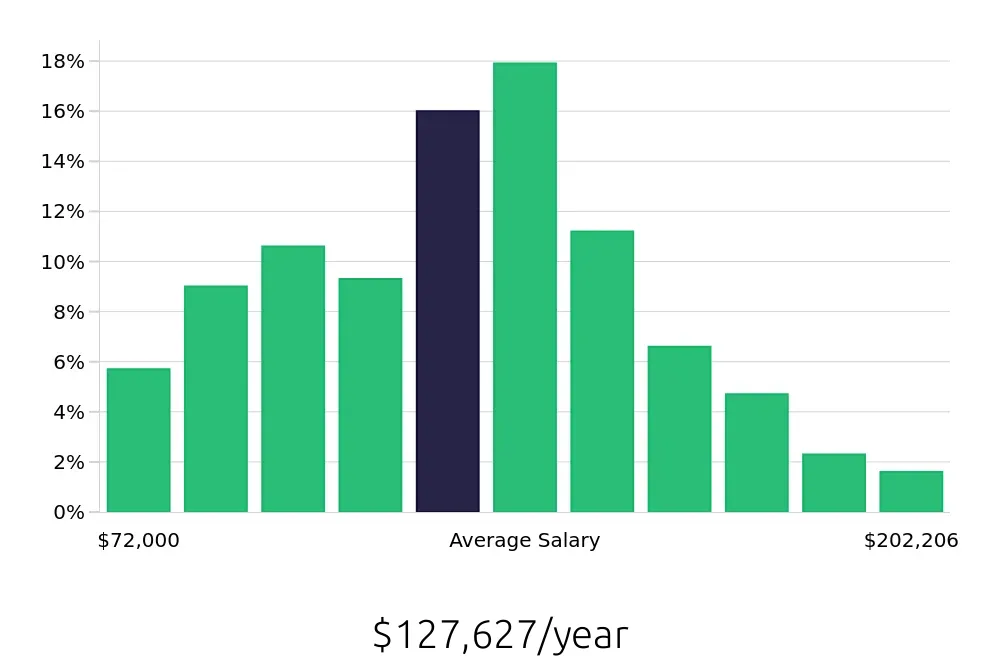
Financial planning managers enjoy competitive compensation. The average national annual salary stands at $174,820, according to the BLS. Hourly, they earn an average of $84.05. These figures reflect the importance and value of the skills financial planning managers bring to their organizations. Job seekers in this field can look forward to a lucrative and stable career path.
Currently 177 Financial Planning Manager job openings, nationwide.
Continue to Salaries for Financial Planning Manager