What does a Financial Representative do?
A Financial Representative plays a key role in helping clients manage their finances. They provide personalized advice on investments, retirement plans, insurance, and other financial products. Each representative works closely with clients to understand their needs and goals. They aim to create a plan that fits the client’s lifestyle and financial situation.
These professionals must stay up-to-date with market trends and financial regulations. They need strong communication skills to explain complex topics in an easy-to-understand way. Attention to detail is crucial, as they must ensure clients make informed decisions. A Financial Representative often meets with clients regularly to review and adjust financial plans. This ongoing support helps clients achieve their financial objectives.
How to become a Financial Representative?
Becoming a Financial Representative involves a clear and systematic process. This profession offers a rewarding career in financial services, requiring dedication and the right set of skills. The journey to becoming a Financial Representative can be broken down into key steps, each crucial for success in this field.
Below are five essential steps to guide you through the process:
- Obtain the Necessary Education. Most employers look for a high school diploma or equivalent. Some may prefer or require a bachelor's degree in finance, economics, or a related field. This education provides a strong foundation in financial principles and practices.
- Gain Relevant Experience. Work experience in finance or a related area can be very beneficial. Positions such as a financial analyst, bank teller, or customer service representative can provide valuable skills and insights. Internships or volunteer work in financial institutions can also be helpful.
- Get Licensed. To work as a Financial Representative, you will need to obtain the necessary licenses. This usually involves passing a series of exams administered by regulatory bodies. These exams cover topics such as insurance, securities, and financial planning.
- Build a Professional Network. Networking is key in the financial industry. Attend industry events, join professional organizations, and connect with others in the field. This can lead to job opportunities and valuable industry insights.
- Apply for Positions. Once you have the education, experience, and licenses, you can start applying for Financial Representative positions. Tailor your resume and cover letter to highlight your qualifications and experiences relevant to the job.
How long does it take to become a Financial Representative?
The path to becoming a Financial Representative often involves several steps. First, individuals need a high school diploma or equivalent. Some may choose to pursue higher education, such as a bachelor's degree in finance or business, which can take an additional 2 to 4 years. Gaining experience through internships or entry-level positions in finance or related fields can also be helpful.
After meeting the educational requirements, the next step involves obtaining a license. This process typically includes passing a licensing exam and completing any required pre-licensing education courses. The time taken for this step varies by state but often requires several weeks to a few months. Following this, candidates usually complete an application and background check, which can add another few weeks to the timeline. Once licensed, ongoing education and continuing education courses may be necessary to maintain the license.
In summary, the entire journey to becoming a Financial Representative can range from about 2 to 6 years, depending on individual circumstances and the specific requirements of the state.
Financial Representative Job Description Sample
The Financial Representative is responsible for providing financial advice and services to clients, helping them make informed decisions about their financial future. This role involves building and maintaining client relationships, analyzing financial data, and recommending investment strategies and financial products.
Responsibilities:
- Conducting financial assessments and developing personalized financial plans for clients.
- Providing advice on investments, retirement planning, insurance, and estate planning.
- Evaluating clients' financial situations and understanding their financial goals and risk tolerance.
- Presenting financial products and services to clients and explaining complex financial concepts in a clear and understandable manner.
- Monitoring and reviewing clients' financial plans and portfolios regularly to ensure they meet clients' needs and market conditions.
Qualifications
- Bachelor’s degree in finance, economics, business, or a related field.
- Certifications such as Chartered Financial Analyst (CFA), Certified Financial Planner (CFP), or similar are highly desirable.
- Proven experience as a financial advisor or in a related role.
- Strong understanding of financial products, services, and investment strategies.
- Excellent communication and interpersonal skills.
Is becoming a Financial Representative a good career path?
A career as a Financial Representative can be both rewarding and challenging. This role involves helping clients make informed decisions about their finances. Financial Representatives often work in banks, insurance companies, or other financial institutions. They meet with clients to understand their financial goals and needs. They then offer tailored financial products and services, such as insurance policies, investment options, and retirement plans. This career offers the chance to make a positive impact on people's lives.
Financial Representatives must possess strong communication skills. They need to explain complex financial concepts in simple terms. This career also requires attention to detail and the ability to manage multiple tasks. It is a role that demands continuous learning and staying updated on financial trends and regulations. The job offers flexibility and the potential for significant earning through commissions and bonuses. However, it also involves handling client concerns and high-pressure situations.
Here are some pros and cons to consider:
- Pros:
- Job security and stability
- Potential for high earnings
- Variety of work settings
- Opportunities for professional growth
- Helping clients achieve financial goals
- Cons:
- High stress from meeting sales targets
- Need for continuous learning and licensing
- Potential for long working hours
- Exposure to economic downturns
- Client-facing role with potential for challenging conversations
What is the job outlook for a Financial Representative?
Financial Representatives play a crucial role in the financial services industry. They help individuals and businesses manage their finances effectively. The Bureau of Labor Statistics (BLS) reports that about 40,100 job positions become available each year for this role. This steady demand indicates a stable career path for those seeking opportunities in this field. With the right skills and qualifications, job seekers can find numerous openings to explore.
The job outlook for Financial Representatives remains positive. The BLS projects a 7.4% increase in job openings from 2022 to 2032. This growth suggests that the demand for skilled financial professionals will continue to rise. Aspiring financial representatives can look forward to a growing number of opportunities in the coming years. With the right preparation, job seekers can take advantage of this expanding market.
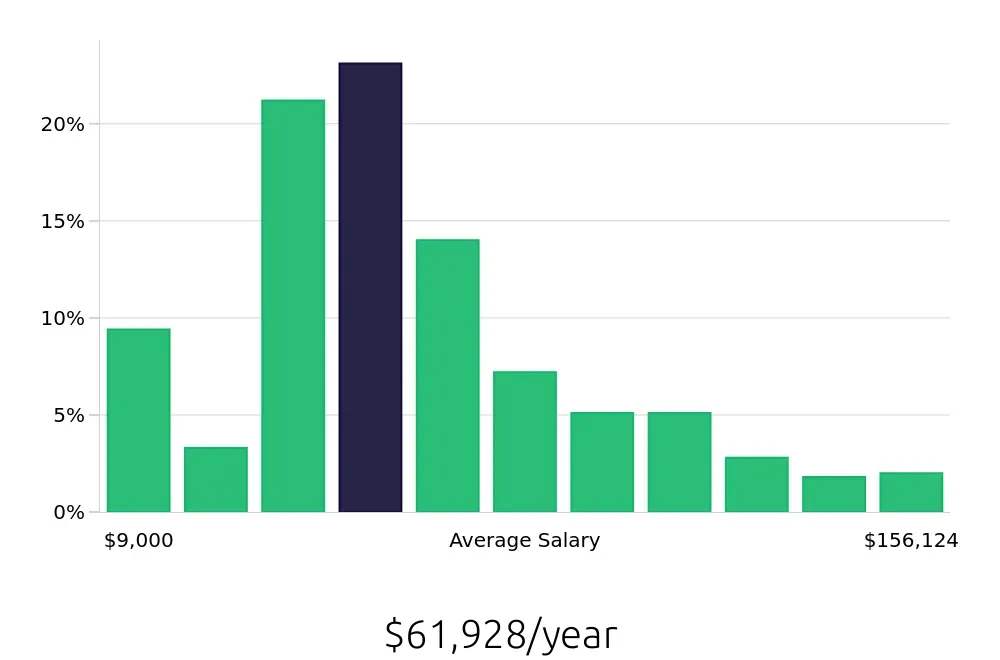
Financial Representatives enjoy a competitive salary, with an average national annual compensation of $109,710, according to the BLS. On an hourly basis, the average compensation stands at $52.75. This figure reflects the value placed on expertise and experience in the financial sector. Job seekers who pursue this career can expect a rewarding financial package, making it an attractive option for those in the job market.
Currently 762 Financial Representative job openings, nationwide.
Continue to Salaries for Financial Representative