What does a Finish Carpenter do?
A Finish Carpenter plays a key role in the construction industry, focusing on the finishing touches that give a building its aesthetic appeal and functionality. This professional works with wood, metal, and other materials to create and install trim, cabinets, stairs, and molding. The carpenter ensures that all elements are properly aligned and meet high standards for quality. Their work requires precision and attention to detail, enhancing both the look and feel of a space.
Responsibilities of a Finish Carpenter include measuring spaces, cutting materials to size, and assembling pieces on-site. They use various tools such as saws, drills, and sanders to complete their tasks. Additionally, they collaborate with other tradespeople to ensure that all elements of a project fit together seamlessly. This position demands strong problem-solving skills, as well as the ability to interpret blueprints and technical drawings. A Finish Carpenter must also adhere to safety guidelines and building codes to ensure a secure work environment.
How to become a Finish Carpenter?
Becoming a finish carpenter involves several key steps to ensure a successful career. This profession requires both skill and dedication. Understanding the process can help job seekers prepare and take the necessary actions.
First, a solid foundation in basic carpentry is essential. Learning the fundamentals sets the stage for more specialized work. This includes understanding measurements, tools, and basic construction techniques. Gaining practical experience in these areas builds confidence and competence. Second, obtaining formal education or vocational training helps. Many finish carpenters complete apprenticeships or take courses at trade schools. These programs offer hands-on training and theoretical knowledge.
Here are five steps to becoming a finish carpenter:
- Start with education: Enroll in a trade school or community college program.
- Get hands-on experience: Apply for apprenticeships or entry-level jobs in construction.
- Learn specialized skills: Focus on mastering techniques like cabinetry, trim work, and finishing.
- Obtain necessary certifications: Get certified by recognized bodies if required in your area.
- Build a portfolio: Create a collection of your best work to showcase your skills.
Each step builds on the previous one, leading to a successful career as a finish carpenter. With dedication and effort, job seekers can achieve their goals in this rewarding field.
How long does it take to become a Finish Carpenter?
Pursuing a career as a Finish Carpenter involves specific training and experience. Most professionals enter the field after completing an apprenticeship. This journey typically lasts three to four years, combining on-the-job training with classroom education. The apprenticeship provides hands-on experience, essential for mastering the craft.
During the apprenticeship, carpenters learn various skills, such as installing trim, molding, and cabinetry. They also gain expertise in using tools and reading blueprints. The training helps them understand the importance of precision and quality in their work. Apprenticeships often include mentorship from experienced carpenters, which is crucial for skill development. Completing the apprenticeship not only prepares carpenters for the job market but also opens doors for career advancement.
Finish Carpenter Job Description Sample
We are seeking a skilled Finish Carpenter to join our team. The successful candidate will be responsible for creating and installing high-quality wood finishes, trim, and molding, and will work on both residential and commercial projects. The ideal candidate is detail-oriented, with a strong understanding of woodworking techniques and materials.
Responsibilities:
- Measure and mark materials for cutting and installation.
- Cut, fit, and install trim, molding, cabinetry, and other wood finishes.
- Read and interpret blueprints, sketches, and specifications to determine work methods and procedures.
- Ensure that all work meets quality and safety standards.
- Collaborate with other tradespeople, such as electricians and plumbers, to ensure that work is coordinated and completed on schedule.
Qualifications
- A minimum of 2 years of experience as a Finish Carpenter or in a similar role.
- Strong knowledge of woodworking techniques and materials.
- Excellent attention to detail and ability to work with precision.
- Ability to read and interpret blueprints and technical drawings.
- Strong problem-solving skills and ability to work independently.
Is becoming a Finish Carpenter a good career path?
A career as a Finish Carpenter involves crafting and applying finishes to wood surfaces. This skilled trade requires precision and attention to detail. Finish Carpenters work on residential and commercial projects, focusing on fine carpentry tasks. This includes installing molding, paneling, and cabinetry. They also apply finishes like stains, varnishes, and paints. The job often involves working with wood, and requires a steady hand and strong understanding of materials.
Choosing this career path has its benefits and drawbacks. Consider these points before pursuing a career as a Finish Carpenter:
- Pros:
- Stability: Skilled trades often have steady demand.
- Hands-on work: This job involves practical, tactile tasks.
- Variety: Projects can range from residential to commercial work.
- Independence: Experienced carpenters often work on their own.
- Cons:
- Physical demands: The job can be physically taxing.
- Seasonal work: Demand may fluctuate with the economy.
- Safety risks: There are potential hazards on job sites.
- Long hours: Carpentry can involve long days and irregular hours.
What is the job outlook for a Finish Carpenter?
Job seekers looking to enter the carpentry field have reason to be optimistic. The field for Finish Carpenters offers a steady job outlook. The Bureau of Labor Statistics (BLS) reports an average of 79,500 job openings each year for Finish Carpenters. This consistent demand suggests a stable career path for those trained in this craft. Aspiring carpenters can find encouragement in these numbers, as they reflect a reliable industry.
The BLS also projects a modest 0.9% increase in job openings for Finish Carpenters from 2022 to 2032. This growth indicates a slowly expanding demand for skilled carpenters. Job seekers can plan for a career with potential for growth and stability. This outlook is particularly promising for those willing to invest time in mastering their skills. With steady job openings and a slight growth projection, this career path remains attractive.
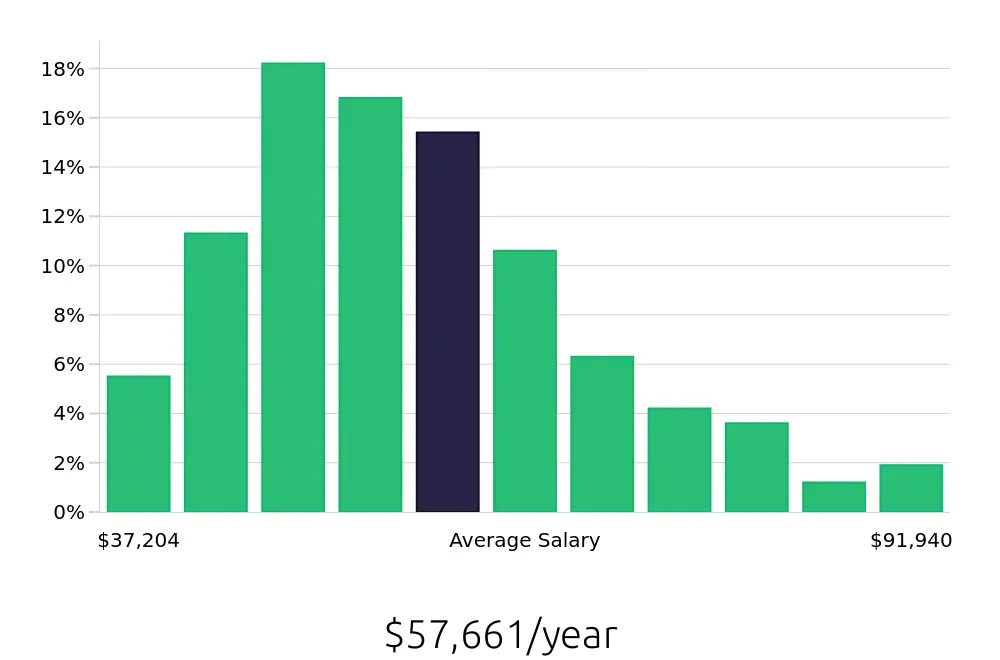
Finish Carpenters can also look forward to a competitive salary. The BLS reports an average annual compensation of $60,970. This figure highlights the earning potential for those in this profession. Hourly, the average compensation stands at $29.31, offering insight into daily earnings. These figures reflect the value placed on skilled carpentry in the job market. For job seekers, these numbers provide a clear view of the financial rewards that come with this career choice.
Currently 181 Finish Carpenter job openings, nationwide.
Continue to Salaries for Finish Carpenter