What does a Floater do?
A Floater plays an essential role in various industries by providing flexible and adaptable support. This position involves working in different departments, covering shifts, and performing a variety of tasks. Floaters often assist in areas where staffing needs fluctuate, ensuring smooth operations and efficient service delivery.
Responsibilities of a Floater can include a range of duties, such as assisting with customer service, performing basic maintenance, and helping out in administrative tasks. Floaters must be versatile, quick learners, and capable of working in fast-paced environments. Their ability to switch between roles allows businesses to maintain operational efficiency and provide high-quality service to their customers.
How to become a Floater?
Becoming a floater can be a rewarding career choice for those who enjoy dynamic work environments and new challenges. Floaters work in various departments within an organization, providing flexibility and support where needed. This role requires specific skills and preparation. Follow these steps to embark on a successful journey as a floater.
First, identify the industries that need floaters. Common sectors include healthcare, hospitality, and administrative support. Research job openings in these fields to understand the specific requirements. Networking with professionals in these industries can also provide valuable insights.
- Build a versatile skill set. Floaters need to adapt quickly to new tasks. Develop skills in basic office tasks, customer service, and technical abilities. Consider taking courses or certifications that enhance your versatility.
- Gain relevant experience. Look for entry-level positions in different departments. Each role will teach you new skills and provide a broader understanding of the organization. Aim to work in various roles to build a diverse experience.
- Network within the industry. Connect with professionals through job fairs, online forums, and industry events. Join professional groups on social media and attend local meetups. Networking can open doors to floater positions and provide job leads.
- Prepare a strong resume and cover letter. Highlight your transferable skills and experiences. Show how your background makes you an ideal floater. Tailor each application to the specific job to increase your chances of getting noticed.
- Apply for floater positions. Start by applying to roles that specifically mention floater duties. Be ready to demonstrate your adaptability and eagerness to learn. Follow up on your applications to express continued interest.
How long does it take to become a Floater?
Becoming a Floater involves training in different roles and departments within a company. This process takes time and dedication. Employers often look for candidates with relevant experience and a willingness to learn new tasks.
Training can last from a few weeks to several months. Floaters need to understand various job functions. They attend classes and work under experienced employees. Some companies offer formal training programs. Others may have informal on-the-job training. The time it takes often depends on the complexity of the roles and the specific needs of the company. With commitment, Floaters can move up quickly in their careers.
Floater Job Description Sample
As a Floater, you will play a vital role in supporting various departments within the organization. You will provide flexible assistance as needed, ensuring seamless operations and high productivity. This role requires adaptability, strong interpersonal skills, and the ability to perform a variety of tasks to support the overall success of the company.
Responsibilities:
- Provide flexible support to various departments as needed, including but not limited to administrative, technical, and operational tasks.
- Assist in the completion of tasks and projects by stepping in where required, ensuring that deadlines are met and quality standards are maintained.
- Collaborate with team members across departments to ensure smooth workflow and efficient use of resources.
- Maintain a high level of confidentiality and professionalism when handling sensitive information.
- Support the onboarding and training of new employees by providing guidance and assistance.
Qualifications
- High school diploma or equivalent required; additional education or certifications in related fields are a plus.
- Proven experience in a similar floater or support role, preferably in a dynamic and fast-paced environment.
- Excellent communication and interpersonal skills, with the ability to work well with diverse teams.
- Strong organizational skills and the ability to manage multiple tasks and priorities effectively.
- Basic computer skills, including proficiency in Microsoft Office and other standard software applications.
Is becoming a Floater a good career path?
A Floater works across different areas within a company, helping wherever needed. This role allows them to gain diverse experience, which can be very valuable. Floaters often get to know the business inside out, making them versatile. Companies appreciate this flexibility because it helps them manage staffing and workload effectively.
Becoming a Floater offers many benefits. They can explore various tasks and departments, which keeps work interesting. Floaters often have the chance to learn new skills quickly. This flexibility can make it easier to find job opportunities within the company. However, this role can also have its challenges. Floaters might not specialize in one area, which can make it harder to advance in a specific field. The constant change can also lead to less job security compared to more specialized roles.
- Pros
- Gain diverse experience
- Learn new skills quickly
- Easier to find job opportunities within the company
- Cons
- Lack of specialization
- Less job security
- Constant changes can be challenging
What is the job outlook for a Floater?
Seeking a job as a Floater can lead to a stable and rewarding career. The Bureau of Labor Statistics (BLS) reports an average of 3,300 job positions available each year. This offers ample opportunity for job seekers to find a position that matches their skills and experience. The outlook remains steady, with a projected 2.0 percent change in job openings from 2022 to 2032, indicating a reliable job market.
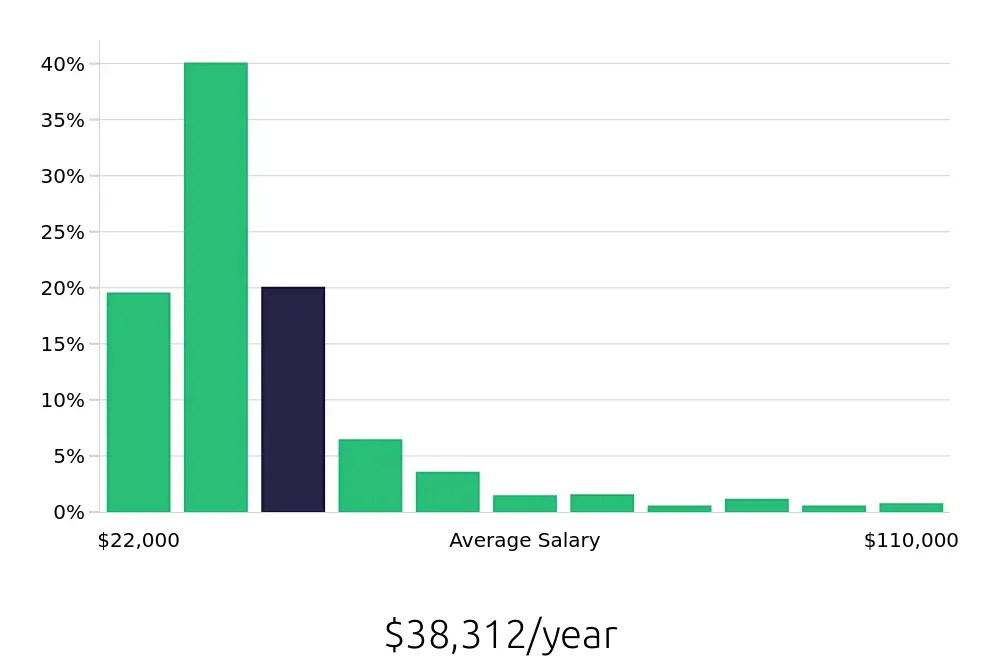
A Floater's role is vital in many industries, including healthcare, hospitality, and construction. This versatility can lead to diverse work environments and experiences. The BLS data shows that Floaters earn an average of $53,470 annually. This figure reflects a competitive compensation package, making it an attractive option for many job seekers. Additionally, the hourly rate stands at $25.71, providing financial stability and potential for growth in this career path.
Career opportunities for Floaters remain strong, supported by consistent demand and a positive job outlook. Job seekers with the necessary skills and flexibility will find a welcoming and promising field. The combination of job availability, competitive pay, and steady growth makes a career as a Floater an excellent choice for those looking to secure a stable and fulfilling job.
Currently 788 Floater job openings, nationwide.
Continue to Salaries for Floater