Position
Overview
A Food Runner works in a fast-paced kitchen environment, helping chefs and kitchen staff by ensuring food is served quickly and efficiently. This role involves carrying plates and trays from the kitchen to the dining area. A Food Runner must be organized and focused, able to handle multiple tasks at once. This position ensures that customers receive their meals promptly, enhancing their dining experience.
Responsibilities of a Food Runner include setting up and clearing tables, serving drinks, and maintaining cleanliness in the dining area. They assist in food preparation tasks, such as chopping vegetables or assembling simple dishes. This role requires strong communication skills to interact with kitchen staff and wait staff. A Food Runner plays a key part in the smooth operation of the restaurant, contributing to customer satisfaction and the overall efficiency of the service team.
Becoming a food runner is a rewarding career path in the food service industry. It requires a mix of physical stamina, customer service skills, and attention to detail. Here is an outline of the steps to follow to become a food runner.
First, ensure a high school diploma or equivalent is obtained. This is the basic educational requirement. Next, develop good communication skills, both verbal and non-verbal. This skill is crucial for interacting with customers and the kitchen staff.
With these steps, a job seeker can successfully enter the food runner role. This job offers the chance to work in a dynamic environment and be part of a team. It is a stepping stone to other opportunities in the food service industry.
Working as a Food Runner involves several steps and can vary in timeline. Generally, entry into this role requires minimal formal education. Most employers look for candidates with a high school diploma or equivalent.
Typically, one can start training immediately after completing basic education. Training usually takes about one to two weeks. During this period, a Food Runner learns to take orders, serve food, and manage the flow of dining service. Some training happens on the job, with experienced staff guiding new hires. Completing a short course in food safety may also be required and can add another week or two.
For those with prior experience in similar roles, the path may be faster. Completing a high school diploma and a short training program can lead to employment within a month. With dedication and some prior experience, a Food Runner can start earning quickly and gain valuable experience in the food service industry.
Food Runners are responsible for ensuring that the restaurant's dining area is clean and free of clutter while also ensuring that guests are served food and drink in a timely and courteous manner.
Responsibilities:
Qualifications
Working as a food runner offers a dynamic entry into the bustling hospitality industry. This role provides a front-line view of restaurant operations, serving as a stepping stone to various positions within the field. Food runners interact with guests, ensure food and beverages are delivered efficiently, and often gain experience in customer service and kitchen operations.
A career as a food runner comes with its own set of benefits and challenges. Consider these pros and cons to understand if this path aligns with your career goals. The role often requires teamwork, quick thinking, and the ability to work under pressure, which can develop valuable skills. However, it may also involve long hours, standing for extended periods, and working during busy shifts. Balancing these aspects is crucial for those considering this career.
Here are some pros to think about:
However, there are also some cons to consider:
If you're considering a career as a Food Runner, it's important to understand the current job market. According to the Bureau of Labor Statistics (BLS), there are around 440,000 job openings per year. While the outlook shows a slight decrease of 3.1% from 2022 to 2032, this role remains vital in the restaurant industry. This steady demand suggests that with the right skills and dedication, job seekers can find ample opportunities.
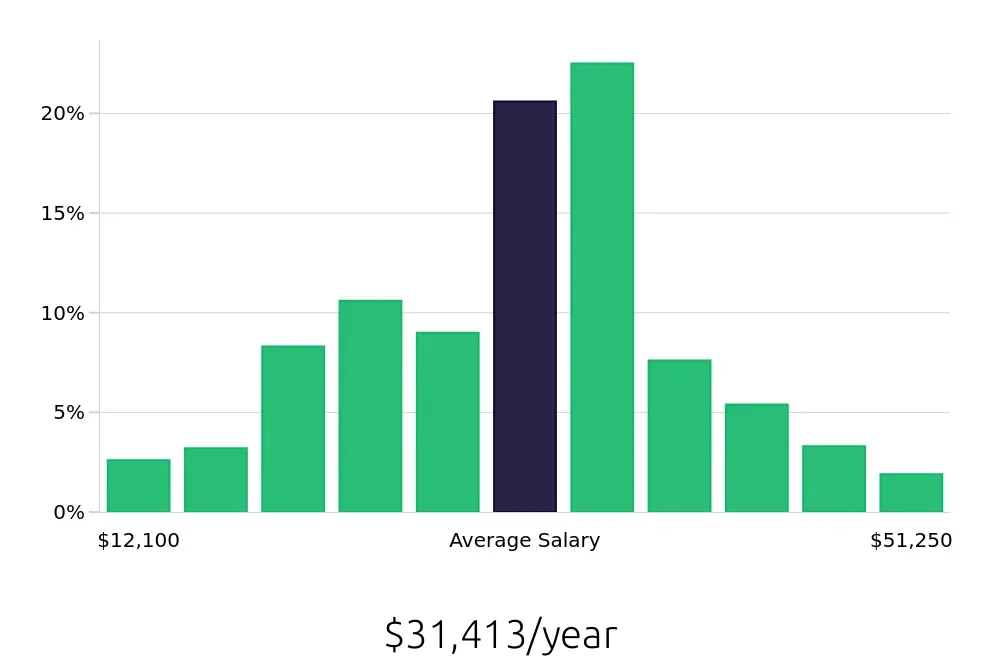
Food Runners earn an average of $36,530 per year, with an hourly wage of $17.56. These figures provide a good foundation for those new to the workforce, offering both competitive compensation and the potential for growth. Positions are available in various settings, from casual diners to upscale restaurants, ensuring diverse work environments. With the right training and experience, there are numerous paths for advancement within the hospitality sector.
Job seekers should note that while the number of openings may decrease slightly, the role continues to be crucial. Understanding the BLS data helps paint a clear picture of what to expect. Job seekers can prepare by acquiring necessary skills and staying updated on industry trends. The path to a fulfilling career in food service remains accessible and rewarding for those committed to this role.