What does a Food Service Aide do?
A Food Service Aide plays an important role in the food industry. This person helps prepare and serve food in restaurants, schools, hospitals, or other food service settings. Duties include washing dishes, setting tables, and cleaning up after meals. This role ensures the kitchen and dining areas stay clean and well-organized. Working as a Food Service Aide can provide a chance to learn about kitchen safety, food handling, and customer service.
The responsibilities of a Food Service Aide can vary. Some common tasks include:
- Preparing food by washing vegetables or cutting fruits
- Setting up tables and chairs for customers
- Washing dishes and cleaning kitchen surfaces
- Restocking supplies and food items
- Helping with food deliveries and inventory checks
How to become a Food Service Aide?
Becoming a Food Service Aide can open doors to many opportunities in the hospitality industry. This role involves supporting chefs and kitchen staff in preparing meals and maintaining a clean kitchen. It is a rewarding job for those who love food and enjoy working in a fast-paced environment. Here are key steps to start this career path.
First, understanding the role and required skills is essential. Food Service Aides must be organized, detail-oriented, and able to work well under pressure. They should also have a basic understanding of food safety and hygiene. Gaining these skills can set the foundation for a successful career in food service.
- Obtain necessary education and training: While a high school diploma or equivalent is typically required, additional training in food handling and safety can be beneficial. Many community colleges and vocational schools offer courses in these areas.
- Gain experience: Look for entry-level positions in restaurants, cafes, or hotels. Internships can also provide valuable experience. This hands-on experience helps in understanding kitchen operations and customer service.
- Certify in food safety: Many employers require Food Handler or Food Handler Manager certifications. These certifications show a commitment to maintaining high standards of food safety.
- Build a strong resume: Highlight any relevant experience, certifications, and skills. A well-crafted resume makes a good impression on potential employers.
- Network and apply: Connect with professionals in the industry through job fairs, online job boards, and professional associations. Tailor each application to the job description and highlight relevant skills and experience.
How long does it take to become a Food Service Aide?
The path to becoming a Food Service Aide is often straightforward and quick. Many programs for this role take just a few weeks to complete. Typically, training involves classroom instruction and practical experience. This hands-on approach ensures that new aides can perform their duties confidently right away.
Programs can vary in length depending on the educational institution or training provider. Some offer shorter, more intensive courses while others spread out the training over a longer period. Most people can finish their training in one to three months. This allows job seekers to enter the workforce sooner rather than later. Additionally, some places may require additional certifications or exams, but these usually do not take long to obtain. The total time spent to be fully prepared for a job as a Food Service Aide remains manageable for many people.
Food Service Aide Job Description Sample
A Food Service Aide is responsible for supporting the kitchen staff by performing various tasks that ensure smooth food service operations. This role involves food preparation, cleaning, and maintaining a safe and hygienic environment.
Responsibilities:
- Assist in food preparation by washing, peeling, and cutting fruits and vegetables.
- Set up and clean dining areas, tables, and serving areas.
- Assist in serving food to customers and refilling food and beverage items.
- Monitor inventory levels and assist in ordering food and supplies.
- Clean and sanitize kitchen equipment, utensils, and surfaces.
Qualifications
- High school diploma or equivalent required.
- Basic understanding of food preparation and kitchen hygiene.
- Ability to work in a fast-paced environment and handle multiple tasks simultaneously.
- Strong attention to detail and commitment to quality.
- Physical ability to lift and carry heavy objects and perform repetitive tasks.
Is becoming a Food Service Aide a good career path?
Working as a Food Service Aide can be an excellent entry point into the food industry. This role typically involves tasks such as preparing food, cleaning kitchen areas, and assisting cooks and chefs. It provides valuable experience and can lead to opportunities for advancement. Many professionals find that starting as a Food Service Aide allows them to understand the operations of a kitchen environment before moving into more specialized roles.
Choosing a career as a Food Service Aide comes with several benefits. The job often requires minimal formal education, making it accessible to many individuals. It offers the chance to gain hands-on experience in a dynamic and fast-paced environment. Additionally, the role provides opportunities to learn about food safety, kitchen hygiene, and teamwork. For those interested in pursuing further education or roles in the food service industry, this position can serve as a strong foundation. However, it is important to consider some potential drawbacks as well.
Food Service Aide positions often involve physically demanding tasks and can require long hours, including evenings, weekends, and holidays. The job may also have limited opportunities for advancement without additional training or education. Despite these challenges, many find the work rewarding and enjoy the skills and experience they gain.
Here are some pros and cons to consider:
- Pros:
- Minimal formal education required
- Hands-on experience in a kitchen environment
- Opportunities for learning about food safety and kitchen hygiene
- Potential for career advancement with additional training
- Cons:
- Physically demanding tasks
- Long and irregular hours, including evenings, weekends, and holidays
- Limited opportunities for advancement without additional education
What is the job outlook for a Food Service Aide?
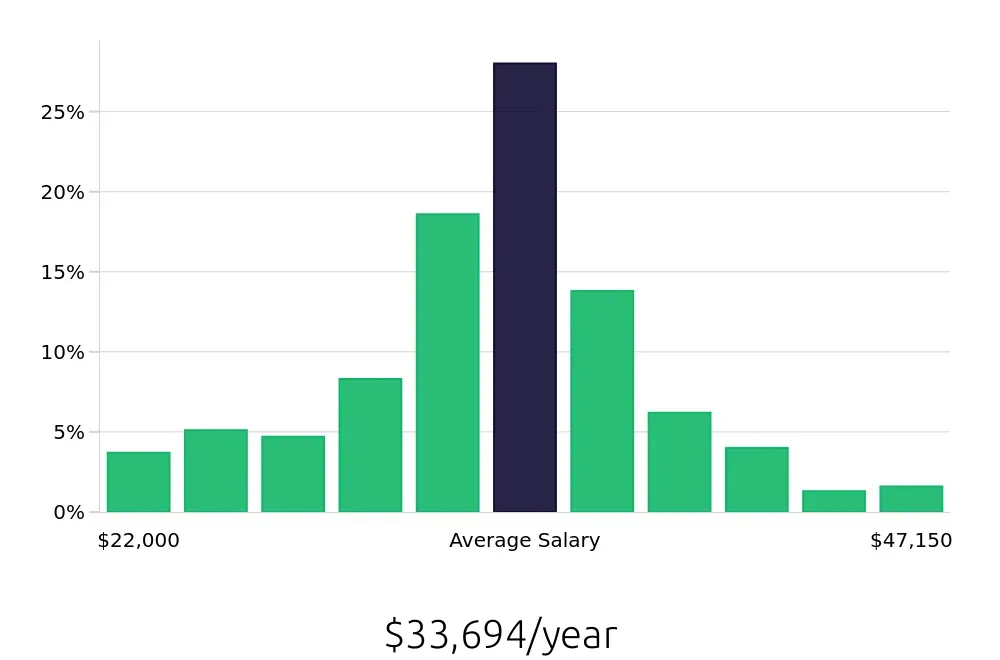
Job seekers looking to enter the food service industry may find the role of a Food Service Aide both rewarding and plentiful. The U.S. Bureau of Labor Statistics (BLS) reports an average of 157,100 job positions available each year. Despite a projected job opening percent change decrease of -4.8% from 2022 to 2032, this role remains a stable and accessible option for individuals seeking to work in a dynamic and essential sector. The BLS also notes that the average national annual compensation for Food Service Aides is $32,960, with an average hourly compensation of $15.85.
This role offers a mix of practical skills and opportunities for advancement within the food service industry. Job seekers can gain valuable experience in customer service, kitchen operations, and food safety practices. Although the overall number of job openings may decrease slightly over the next decade, the demand for skilled Food Service Aides will continue, especially in restaurants, hotels, and catering services. These positions often provide a solid entry point into the industry, with many opportunities to grow and develop new skills.
For those considering a career as a Food Service Aide, the BLS data highlights a stable and accessible job market. The average compensation figures indicate a fair earning potential, making this a viable career choice. Job seekers should focus on acquiring relevant skills and certifications to enhance their employability and career prospects in this sector. Building a solid foundation in food service will open doors to various opportunities within the industry.
Currently 2,239 Food Service Aide job openings, nationwide.
Continue to Salaries for Food Service Aide