What does a Funding Specialist do?
A Funding Specialist plays a crucial role in ensuring that projects have the necessary financial resources to move forward. This professional manages budgets, identifies funding opportunities, and secures grants. They work closely with project managers, finance teams, and stakeholders to create detailed financial plans.
Responsibilities of a Funding Specialist include monitoring financial performance, preparing reports, and communicating with funding agencies. They must have a strong understanding of financial regulations and compliance. This role requires attention to detail and the ability to meet deadlines. A Funding Specialist ensures that projects are well-funded and that resources are used efficiently.
How to become a Funding Specialist?
Becoming a Funding Specialist involves gaining the right education, skills, and experience. This career offers a chance to help businesses grow by securing the funding they need. Follow these steps to start on the path to becoming a Funding Specialist.
First, obtain a solid educational background. Most Funding Specialists have at least a bachelor's degree in finance, business, or a related field. Choose courses that cover financial analysis, investment strategies, and business law. Internships or entry-level jobs in finance can also offer valuable experience.
- Gain relevant experience: Look for jobs that give you exposure to funding and investments. Positions in banking, financial analysis, or corporate finance are great. Experience in these areas can help you understand the funding process better.
- Develop key skills: Build skills in financial analysis, negotiation, and relationship management. Funding Specialists need to analyze financial documents and market trends. They must also negotiate terms and build strong relationships with clients and investors.
- Obtain certifications: Consider getting certifications like the Chartered Financial Analyst (CFA) or Certified Financial Planner (CFP). These credentials can enhance your resume and show your expertise.
- Network with professionals: Join industry groups and attend conferences. Networking can lead to job opportunities and advice from experienced Funding Specialists.
- Apply for Funding Specialist positions: Use your education, experience, and certifications to apply for jobs. Tailor your resume and cover letter to highlight your relevant skills and experiences.
How long does it take to become a Funding Specialist?
Interested in the time it takes to join the finance world as a Funding Specialist? This career path merges finance and business skills, making it a solid choice for many. The journey begins with education and training, often lasting around four years. Most start with a bachelor’s degree in finance, business, or a related field. Key courses include financial management, investment analysis, and economic theory.
After earning a degree, hands-on experience is crucial. This can come from internships or entry-level positions in finance. Gaining practical skills often takes about two years. Companies seek candidates with experience in budgeting, financial analysis, and risk management. Networking also plays a big role. Engaging with professionals and joining industry groups can open doors to job opportunities. With dedication and the right steps, the path to becoming a Funding Specialist is achievable in a few years.
Funding Specialist Job Description Sample
A Funding Specialist is responsible for sourcing, evaluating, and securing funding opportunities for a company's projects. This role involves building and maintaining relationships with potential funding sources, preparing and submitting funding proposals, and ensuring compliance with funding requirements.
Responsibilities:
- Research and identify potential funding opportunities and sources, including grants, loans, and private investors.
- Prepare and submit funding proposals and applications, ensuring they meet the requirements and deadlines of funding agencies.
- Evaluate funding opportunities to assess their alignment with the company's strategic goals and financial capabilities.
- Maintain relationships with funding agencies, investors, and other stakeholders to foster ongoing partnerships.
- Collaborate with internal teams to gather necessary information and documentation for funding applications.
Qualifications
- Bachelor's degree in Finance, Business, or a related field.
- Proven experience in funding research, proposal writing, and relationship management.
- Strong understanding of funding regulations and compliance requirements.
- Excellent written and verbal communication skills.
- Proficient in Microsoft Office Suite and funding management software.
Is becoming a Funding Specialist a good career path?
Funding Specialists work with businesses and organizations to find sources of financial support. They help companies secure funding to grow and succeed. This job requires good research skills and knowledge of financial markets. It can lead to many career opportunities.
Working as a Funding Specialist has many benefits. They can find rewarding work helping companies grow. The job offers a stable career with good earning potential. They work in a dynamic environment and meet many interesting people. However, the job can be challenging. It requires long hours and can be stressful. Funding Specialists need to stay updated on market trends. They must also have strong communication skills.
Here are some pros and cons to consider:
- Pros:
- Opportunity to help businesses grow.
- Good earning potential.
- Dynamic and interesting work environment.
- Chance to meet many interesting people.
- Cons:
- Long hours and high stress.
- Constant need to stay updated on market trends.
- Strong communication skills required.
What is the job outlook for a Funding Specialist?
The role of a Funding Specialist offers a promising career path, with an average of 7,800 job positions available each year. This indicates a steady demand in the job market, making it an opportune time for job seekers to explore this field. The Bureau of Labor Statistics (BLS) predicts a positive outlook, with job openings expected to increase by 5.7% from 2022 to 2032. This growth suggests a growing need for professionals who can manage and secure financial resources for various projects and organizations.
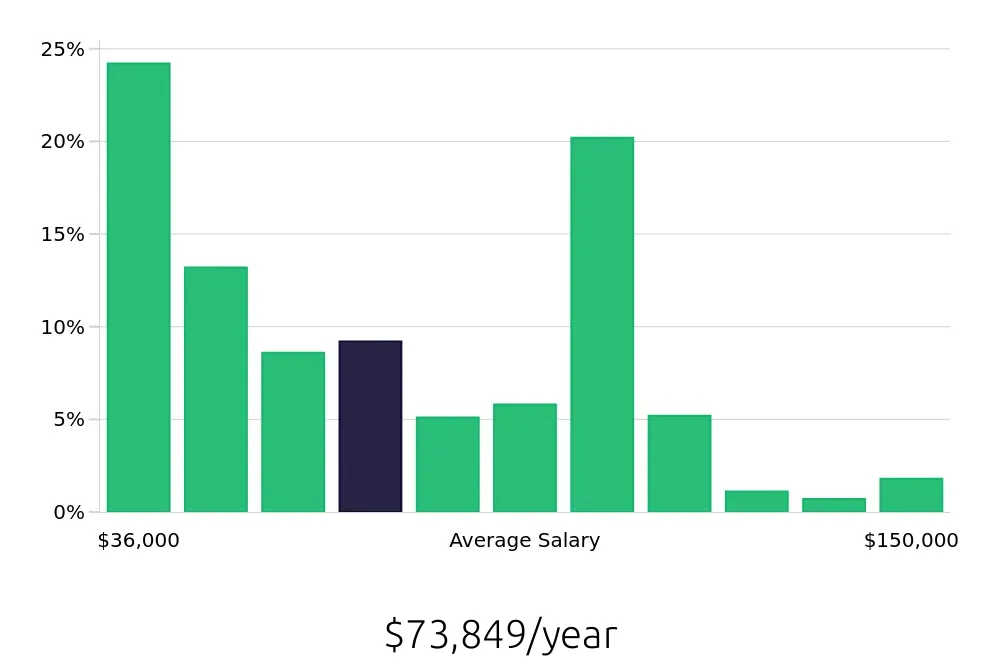
Compensation for Funding Specialists is competitive and rewarding. The average national annual salary stands at $151,570, reflecting the value placed on their expertise in securing and managing funds. Hourly compensation averages $72.87, which further highlights the financial benefits associated with this role. This attractive compensation package makes the position highly desirable for those seeking both job security and a substantial income.
Aspiring Funding Specialists can look forward to a vibrant job market with ample opportunities. With the BLS projecting steady growth and competitive salaries, this career path is both promising and lucrative. For those aiming to enter this field, the outlook is positive, offering both professional growth and financial rewards.
Currently 69 Funding Specialist job openings, nationwide.
Continue to Salaries for Funding Specialist