What does a Global Implementation Manager do?
A Global Implementation Manager leads international projects and ensures they meet their goals. This role requires strong leadership skills and a deep understanding of global business practices. The manager coordinates with teams across different time zones and cultures. They make sure everyone works together smoothly and efficiently. They handle challenges and find solutions that keep the project on track.
The Global Implementation Manager sets clear goals and deadlines for the team. They provide guidance and support to team members. They also communicate with stakeholders from different countries. This role involves travel to various locations to oversee projects and meet with teams. The manager must be adaptable and able to manage stress in a fast-paced environment. They strive for excellence and help the organization achieve its global objectives.
How to become a Global Implementation Manager?
Becoming a Global Implementation Manager involves a series of strategic steps. This role requires a blend of technical skills, management experience, and global understanding. Follow these steps to pave a clear path towards success.
First, build a solid foundation in business and project management. This means earning a degree in business administration, management, or a related field. Completing this step establishes a core understanding of business operations and project management principles.
- Gain relevant work experience: Start with positions in project management or business operations. Aim for roles that involve coordinating teams, managing timelines, and ensuring projects meet objectives. Each role builds the experience needed for larger, more complex projects.
- Specialize in global operations: Seek opportunities that focus on international projects or teams. This experience highlights an understanding of cultural differences and global business practices.
- Develop technical skills: Learn about the tools and software used in global project management. Proficiency in tools like Microsoft Project, Jira, or similar platforms can be a big advantage.
- Network with industry professionals: Attend conferences, join professional associations, and connect with others in the field. Networking opens doors to new opportunities and insights.
- Pursue further education or certifications: Consider advanced degrees or certifications in global management or project management. These credentials can enhance credibility and knowledge.
How long does it take to become a Global Implementation Manager?
Gaining the role of a Global Implementation Manager involves understanding various aspects of project management, team leadership, and international business practices. It often takes a blend of education, work experience, and personal development. Most commonly, professionals hold a bachelor's degree in business, management, or a related field. This academic foundation usually takes four years.
After earning a degree, individuals may start in entry-level positions, gradually building up experience. This step typically spans three to five years. During this period, candidates learn essential skills such as project coordination, stakeholder management, and strategic planning. Experience in multinational corporations or large-scale projects provides valuable insight and skills transferrable to a global role. Additionally, gaining certifications in project management, such as PMP or PRINCE2, can further enhance career prospects. This entire journey, from education to gaining managerial experience, usually takes about 7 to 10 years.
Global Implementation Manager Job Description Sample
A Global Implementation Manager is responsible for overseeing the successful deployment and integration of new systems, technologies, or processes on a global scale. This role involves coordinating with multiple teams and stakeholders across different geographical locations to ensure seamless implementation and adoption of solutions that align with the organization's strategic objectives.
Responsibilities:
- Lead and manage global implementation projects from initiation to completion, ensuring timely and on-budget delivery.
- Develop and implement global implementation strategies that align with the organization's objectives and best practices.
- Coordinate with cross-functional teams, including IT, operations, and business units, to ensure successful project execution.
- Oversee the deployment of new systems, technologies, or processes across multiple locations, ensuring consistency and adherence to standards.
- Provide training and support to end-users and stakeholders to ensure effective adoption of new solutions.
Qualifications
- Bachelor’s degree in Business Administration, Information Technology, or a related field. A Master’s degree is preferred.
- Proven experience (10+ years) in project management, preferably in a global or multinational environment.
- Strong knowledge of global implementation best practices and methodologies (e.g., Agile, Waterfall).
- Excellent leadership and team management skills, with experience in managing geographically dispersed teams.
- Strong analytical and problem-solving skills, with the ability to make data-driven decisions.
Is becoming a Global Implementation Manager a good career path?
A Global Implementation Manager oversees the rollout of new systems or processes across multiple countries. This role ensures that projects meet company goals and deadlines. Such a manager works with teams in different regions, guiding them through the implementation process. Key skills include strong communication, project management, and understanding of international business practices.
Working as a Global Implementation Manager offers various benefits. Collaboration with teams worldwide can lead to diverse experiences and networking opportunities. Managers often have a significant impact on the success of projects, which can lead to recognition and career advancement. However, this role can also come with challenges. Managers must navigate different cultures and business environments, which can be complex. The job often requires long hours and travel, which can impact work-life balance. Managers must also handle any project issues that arise, which can be stressful.
Consider these pros and cons when thinking about a career as a Global Implementation Manager:
- Pros:
- Opportunity to work with international teams.
- Potential for career advancement.
- Variety of experiences and learning opportunities.
- Cons:
- Complexity of managing across different cultures.
- Frequent travel and long hours.
- High stress from handling project issues.
What is the job outlook for a Global Implementation Manager?
Job seekers interested in the role of a Global Implementation Manager will find a promising career path ahead. On average, there are 6,500 job positions available each year, according to the Bureau of Labor Statistics (BLS). This consistent demand highlights a steady need for professionals who can manage global operations across various industries. With the job outlook showing a 4.8% growth from 2022 to 2032, those looking to enter or advance in this field can expect a favorable job market.
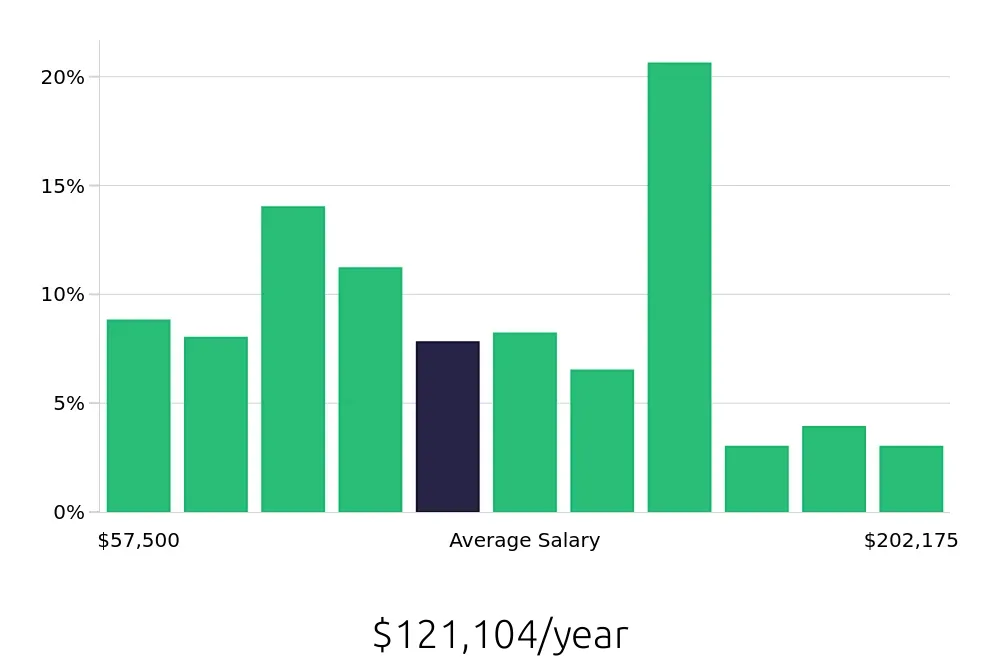
The Global Implementation Manager role is lucrative as well. The average annual compensation stands at $169,120, indicating a well-rewarded profession. The average hourly pay is $81.31, reflecting the value placed on expertise in global business operations. This compensation aligns with the skills and responsibilities needed to manage complex, multinational projects effectively. Job seekers will find that their efforts in this role are not only impactful but also financially rewarding.
For those considering this career, the combination of strong job availability and competitive pay offers a compelling opportunity. The Global Implementation Manager role provides a path to professional growth and financial stability. With consistent demand and attractive compensation, this career is a smart choice for skilled professionals.
Currently 106 Global Implementation Manager job openings, nationwide.
Continue to Salaries for Global Implementation Manager