What does a Golf Professional do?
A Golf Professional, often called a Golf Pro, plays a key role in ensuring the smooth operation of golf courses. They manage day-to-day activities, oversee staff, and maintain the course. They help golfers with their game, offering advice on techniques, equipment, and strategies. The Golf Pro coordinates tournaments and events, ensuring everything runs smoothly. They also handle customer service, addressing concerns and improving the guest experience. A Golf Pro needs a strong understanding of golf, excellent communication skills, and the ability to manage multiple tasks efficiently.
In addition to their operational duties, Golf Professionals often run golf academies. They teach both beginners and advanced players, offering lessons and clinics. They create training programs to help students improve their skills. Golf Pros stay updated on the latest golf trends and techniques. They work with golfers of all ages and skill levels, providing personalized instruction and support. Their role combines sports expertise, teaching skills, and customer service. This position is ideal for those passionate about golf and dedicated to helping others enjoy the game.
How to become a Golf Professional?
Becoming a golf professional is a rewarding journey that requires dedication and skill. Aspiring golf professionals can follow a clear path to achieve their goals. This path includes gaining education, practical experience, and necessary certifications. By following these steps, individuals can position themselves for success in the golf industry.
First, start with a solid educational foundation. Attend a golf academy or a college with a golf management program. These institutions offer courses in golf techniques, course management, and business skills. Learning from experienced instructors is crucial. Next, seek opportunities to gain hands-on experience. Volunteer or work at a golf course. This practical experience helps build skills and create industry connections. Certifications from recognized bodies, like the PGA, enhance credibility. Passing exams demonstrates knowledge and commitment.
After education and experience, continue to improve skills. Take advanced courses and seek mentorship from established professionals. Staying updated on industry trends is important. Attending workshops and seminars can provide new insights. Networking with peers and industry leaders opens doors to job opportunities. By following these steps, one can build a successful career as a golf professional.
- Attend a golf academy or college with a golf management program.
- Gain hands-on experience by volunteering or working at a golf course.
- Obtain certifications from recognized bodies, like the PGA.
- Continue to improve skills through advanced courses and mentorship.
- Stay updated on industry trends and network with peers and leaders.
How long does it take to become a Golf Professional?
A career as a Golf Professional offers a rewarding path for those passionate about the sport. Many find the journey enriching and exciting. Generally, it takes several years to achieve this status. This timeline includes both formal education and hands-on experience.
First, aspiring professionals need a high school diploma or GED. This step usually takes four years. After high school, the next step is to enroll in a golf management program. These programs can take anywhere from one to four years. Golf management programs provide both academic learning and practical training. They cover topics like course management, teaching techniques, and business skills. Upon completing a golf management program, graduates can gain experience through internships or entry-level jobs at golf courses. This hands-on experience helps in understanding the daily operations of a golf course. Gaining the necessary PGA certifications can take additional time, often ranging from a few months to a couple of years. These certifications prove knowledge and skills in various aspects of golf.
Golf Professional Job Description Sample
We are seeking a highly skilled and passionate Golf Professional to join our team. The ideal candidate will have a strong background in golf instruction and course management, excellent communication skills, and a commitment to delivering an outstanding member experience.
Responsibilities:
- Provide high-quality golf instruction and coaching to members and guests.
- Manage and oversee all aspects of golf course operations, including maintenance, scheduling, and budgeting.
- Develop and implement golf programs and events to enhance member engagement.
- Ensure the golf course is in top condition and adheres to industry standards.
- Assist in the development and execution of marketing strategies to promote the golf program.
Qualifications
- PGA membership or equivalent certification in golf instruction.
- Proven experience as a Golf Professional or in a similar role.
- Strong knowledge of golf course management and maintenance.
- Excellent communication and interpersonal skills.
- Ability to motivate and inspire students of all skill levels.
Is becoming a Golf Professional a good career path?
Working as a Golf Professional offers a unique blend of sports, coaching, and business skills. This career involves teaching golf techniques, managing golf courses, and overseeing tournaments. Golf Professionals work in a variety of settings, from country clubs to golf resorts. They interact with a wide range of people, including members, guests, and other staff. This position requires a deep understanding of golf, strong customer service skills, and the ability to manage multiple tasks.
Choosing this path has its own set of advantages and challenges. Consider these factors before making a decision. On the positive side, Golf Professionals often enjoy a good work-life balance. The job can be physically active and rewarding for those who love golf. There are opportunities for career growth and advancement. The role also provides a chance to be outdoors and enjoy the beauty of golf courses.
However, there are some downsides. The job can be seasonal, with less work during off-peak times. Golf Professionals need to stay up-to-date with the latest golf trends and techniques. The job can be physically demanding and may involve long hours, especially during busy seasons. Additionally, the role often involves handling difficult situations, such as dealing with unhappy customers.
Here are some pros and cons to consider:
- Pros:
- Good work-life balance
- Physically active and rewarding
- Opportunities for career growth
- Chance to be outdoors
- Cons:
- Seasonal work
- Physically demanding
- Long hours during busy seasons
- Handling difficult situations
What is the job outlook for a Golf Professional?
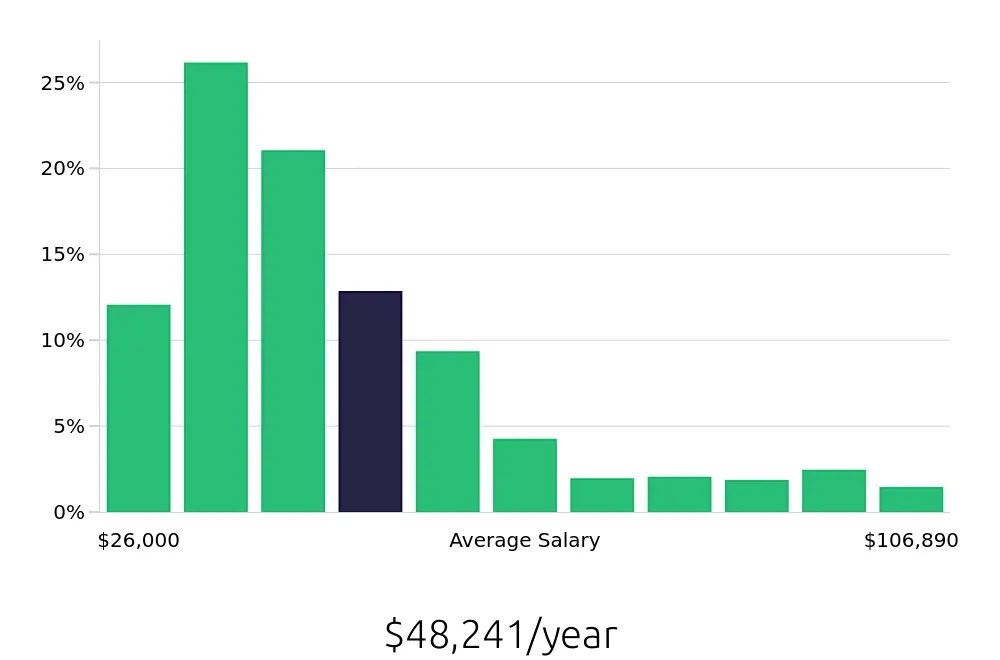
A career as a Golf Professional offers a stable job outlook with potential for growth. According to the Bureau of Labor Statistics (BLS), there are approximately 2,400 job positions available each year. This number indicates a steady demand for qualified professionals in the field. With an average annual compensation of $43,920, it provides a rewarding opportunity for those passionate about golf and teaching.
While the BLS projects a slight decrease of 0.3% in job openings from 2022 to 2032, the overall outlook remains positive. This slight decline can be attributed to various factors, including changes in the golf industry. However, experienced professionals with strong skills and certifications can still find ample opportunities. The average hourly compensation stands at $21.12, making it a competitive field for job seekers.
For job seekers, entering the profession with the right training and experience can lead to a fulfilling career. Golf Professionals work in a dynamic environment, combining their love for the sport with teaching and management skills. With a steady demand for new professionals and a respectable salary, a career as a Golf Professional remains a viable option.
Currently 103 Golf Professional job openings, nationwide.
Continue to Salaries for Golf Professional